
Hilary Duff’s placenta smoothie story is real. The health claims often attached to eating a placenta are much less certain.
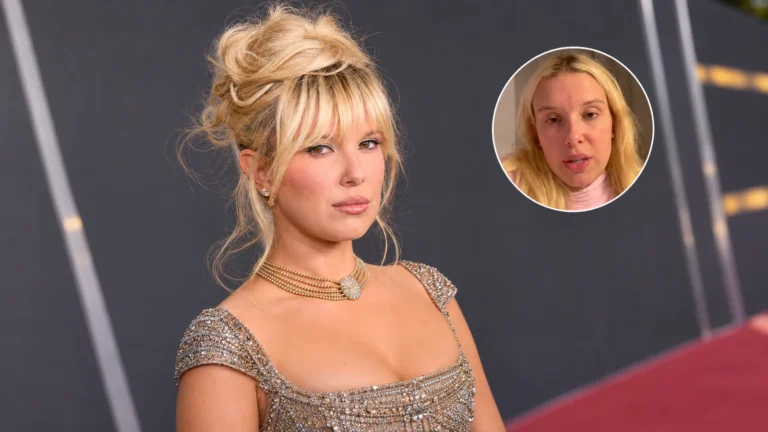
After the 2018 birth of her daughter Banks, Duff told the Informed Pregnancy podcast that she tried a smoothie made with placenta, berries, and juice. She described the taste positively and said some of the remaining placenta was frozen for later use.
That tells us what one new parent chose. It does not show that the drink improved recovery, mood, milk production, iron status, or energy.
A personal experience can be sincere without becoming medical evidence.
What Hilary Duff Actually Said
Duff discussed the choice during a long conversation about pregnancy, birth, and the early postpartum period. The placenta smoothie was one part of that personal account, not the result of a trial or a recommendation from a medical organization.
The detail became a headline because it was unusual. That can make a celebrity anecdote feel more important than it is. The episode establishes that she consumed the preparation and liked it. It does not establish what happened because of it.
The same distinction matters when reading stories about a supplement, recovery device, or special diet. Enjoyment, timing, and a positive outcome can occur together without one causing the other.
The Claims and the Evidence
Common placentophagy claims include improved mood, more energy, better milk supply, less bleeding, steadier hormones, and extra iron.
Mayo Clinic’s clinical overview says there is no evidence that eating placenta provides health benefits and warns that preparation may not destroy harmful bacteria and viruses.
The strongest honest conclusion is therefore narrow: Duff reported a favorable taste experience, while the broader postpartum claims remain unsupported.
It is also important not to group every preparation together as though they were identical. A fresh smoothie, frozen pieces, cooked tissue, and dehydrated capsules use different handling methods. That variation makes anecdotes harder to compare and does not create a reliable dose, purity standard, or predictable nutrient content. A consumer cannot infer safety from the fact that another person used a different form without an obvious problem.
That is different from saying every possible effect has been disproved. Small studies and variable preparation methods leave unanswered questions. Uncertainty, however, is not evidence of benefit.
Why Preparation Does Not Remove Every Risk
Raw or lightly processed tissue can carry microorganisms. Encapsulation, dehydration, freezing, or blending does not automatically create a sterile product.
In a 2017 report, the Centers for Disease Control and Prevention described recurrent group B strep infection in an infant whose mother consumed contaminated placenta capsules. The report concluded that encapsulation did not eradicate the pathogen and advised avoiding placenta capsule ingestion.
That was one case report, so it cannot calculate how often harm occurs. It does demonstrate a plausible route of risk and shows why “processed” should not be confused with “pathogen-free.” A smoothie made from frozen material also does not receive the validated heat treatment expected of a regulated food product.
The absence of a proven benefit matters more when a practice carries an avoidable contamination risk.
A Better Way to Read Celebrity Health Stories
Start by identifying what kind of evidence you have.
Duff’s account sits at the anecdote level: one person described one choice after one birth. A case report can identify a possible harm but cannot estimate average risk. Observational research can find patterns but struggles with confounding. Randomized trials can test causation more directly, although they still need adequate size and a relevant outcome.
This evidence ladder prevents two opposite mistakes. It avoids treating a celebrity experience as a universal recommendation, and it avoids shaming the person for describing something that happened.
A practical reading habit is to rewrite the headline as a testable question. “Duff drank a placenta smoothie” is documented. “The smoothie improved recovery” would require a defined outcome, a comparison group, and a way to separate the drink from sleep, medical care, nutrition, time, and the normal course of recovery. When those pieces are missing, the conclusion should stay descriptive.
Our coverage of Blake Lively’s postpartum recovery timeline makes a related point: visible outcomes rarely reveal the time, support, sleep, medical care, and work conditions behind them.
What Postpartum Support Can Focus On Instead
Postpartum recovery is individual. Useful conversations can focus on warning signs, nutrition, hydration, sleep opportunities, pelvic-floor symptoms, pain, mood changes, feeding concerns, and access to qualified care.
A new parent worried about depression, infection, bleeding, milk supply, anemia, or recovery should contact an appropriate health professional rather than rely on a celebrity practice. For a wider look at what photos leave out, see our article on Chrissy Teigen and post-baby body support.
Duff’s story can remain interesting without carrying a promise it never proved.
This article is for general education and is not a substitute for individualized medical advice.
Follow WorkoutHealthy Insider for evidence-aware celebrity health stories without the hype or the shaming.