
Millie Bobby Brown did not object to one unflattering photo. She objected to a pattern of adult writers turning her face, body, clothes, and aging into a public scorecard.
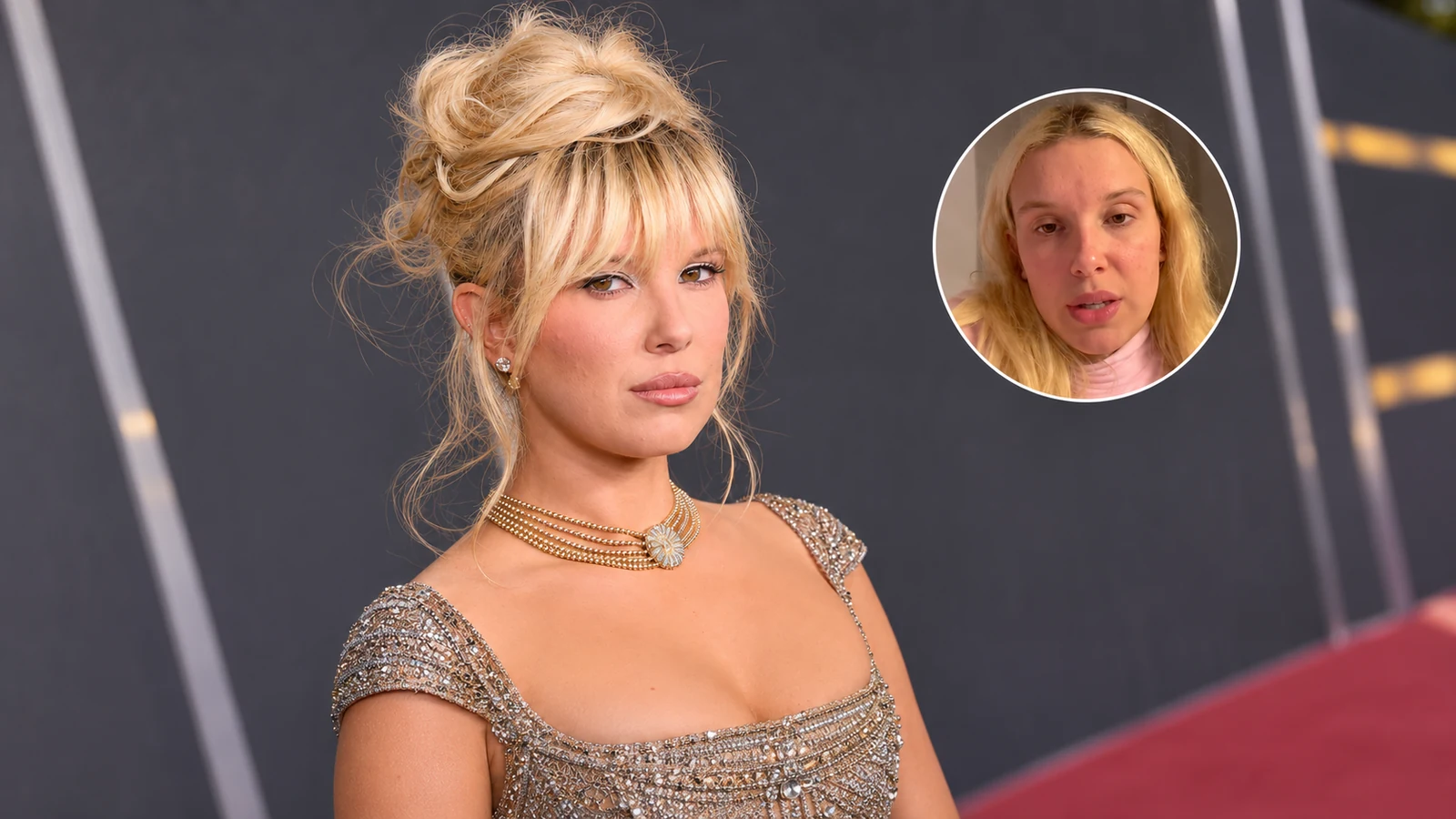
In a March 2025 Instagram video, the Stranger Things actor named headlines about her appearance and called the coverage bullying. She said audiences first met her as a child and seemed to expect her to remain frozen at that age.
The response matters because it separates legitimate discussion of a public figure’s work from speculation designed to make a changing appearance the story.
A person can be visible to the public without making every part of their body public property.
What Millie Bobby Brown Said
Brown posted the video while promoting The Electric State. Coverage compiled by TheWrap documents that she read several recent headlines and named their writers.
Her criticism was specific. The articles were not primarily reviewing a performance or reporting a health disclosure. They were dissecting how old she appeared, what might have changed in her face, and whether her styling made her look older.
Brown framed the issue as larger than herself. Young women who grow up in public are praised for success, then criticized when their adult appearance no longer matches the child audiences remember.
The Frozen-in-Time Expectation
Brown entered the entertainment industry at 10 and became globally recognizable through Stranger Things at 12. That creates an unusual visual archive: millions of people can compare every adult red-carpet photo with a childhood character.
The comparison is misleading. Faces mature, fashion changes, makeup varies, lighting shifts, and a person chooses how to present at different events. None of those facts allows an observer to diagnose procedures, health, character, or emotional wellbeing from a photo.
The standard also moves. A young celebrity can be criticized for looking too adult, then for appearing older than an audience expects, and then for trying too hard to look young. There is no stable way to satisfy a demand built around perpetual inspection.
Style Comment or Appearance Scrutiny?
Not every fashion or media discussion is bullying. A review can discuss a garment, a makeup concept, or how styling connects to a film campaign.
The line is crossed when the person’s face or body becomes a defect to diagnose, mock, or rank; when speculation is presented as fact; or when the headline would lose its entire purpose without humiliation.
That distinction protects useful criticism. “The styling referenced a 1990s silhouette” describes a creative choice. “What happened to her face?” invites strangers to treat a person as a before-and-after puzzle.
Our article on Mark Consuelos defending Kelly Ripa from body-shaming shows the same shift from discussing public work to policing a body.
A Four-Question Headline Audit
Before sharing an appearance-centered story, ask four questions:
- Is there a verified event? A public statement, a disclosed diagnosis, or a documented professional choice is different from rumor.
- Is the appearance relevant? If the story concerns a performance, the body may be a distraction rather than evidence.
- Is the wording descriptive or degrading? Curiosity does not require ridicule.
- Would the same standard be applied consistently? Women, young performers, and people whose bodies change often receive different scrutiny.
This audit does not demand silence. It asks whether a post adds information or merely recruits an audience into judgment.
If a headline needs humiliation to earn a click, the problem is the headline, not the face in the photo.
A Better Standard for Celebrity Coverage
Report what the person actually said. Label interpretation as interpretation. Avoid diagnosing from images. Explain when photos come from different years, settings, lighting, or contexts.
When the subject discusses a health condition, connect readers with accurate information instead of turning the condition into a body verdict. Our coverage of Bebe Rexha’s PCOS diagnosis and body talk uses that approach.
Brown’s response does not require anyone to like every outfit or publicity choice. It asks that criticism remain connected to the work and that a young woman be allowed to become an adult without being treated as a failed version of her childhood self.
The same standard applies to comments. Repeating a rumor with a question mark still spreads it. Comparing two photos without accounting for pose, lens, expression, makeup, and lighting can manufacture a transformation that the images cannot verify. A useful comment can address the performance, the stated message, or a documented choice without recruiting other people to inspect a body.
Editors and social teams can also add friction before publication: remove unsupported procedure claims, avoid side-by-side “proof” graphics, name the source of any health statement, and ask whether the person’s appearance is essential to understanding the story. Those checks improve accuracy without preventing criticism.
That is a reasonable standard for journalists, social accounts, and ordinary commenters.
If appearance-focused coverage is affecting your wellbeing, consider limiting exposure and talking with a qualified mental-health professional or trusted support person.
Follow WorkoutHealthy Insider for celebrity health and fitness coverage that keeps the person in the story.