
Who Celine Dion Is and What She Is Actually Facing
Celine Dion is one of the best selling recording artists in music history.
Her voice carried songs like “My Heart Will Go On” and “The Power of Love” across more than three decades of arena tours and record sales.
In December 2022, she shared different news with fans. She had a rare neurological disorder called stiff person syndrome, often shortened to SPS.
She explained that the condition helped make sense of years of muscle spasms and stiffness that had quietly been affecting her body and her singing.
Dion is 58 years old as of this writing. She is alive, still working, and preparing for a major return to live performance in Paris this September, according to ABC News.
This article looks at what stiff person syndrome actually is, what current research says about movement and exercise for people living with it, and how Dion has described her own path back toward the stage.
What Stiff Person Syndrome Actually Is
Stiff person syndrome is an autoimmune disorder. That means the body’s own immune system mistakenly attacks healthy nerve cells instead of just germs or viruses.
In SPS, the immune system interferes with cells that make a chemical called GABA. GABA normally helps muscles relax by calming down nerve signals.
When GABA activity drops, muscles do not get the signal to relax. They stay tight, and they can spasm without warning, according to a clinical overview published by Physiopedia.
The stiffness usually starts in the trunk and the legs. Over time it can spread and make ordinary movement, like walking across a room, much harder.
Spasms can be triggered by stress, sudden noise, or emotional upset. They can be strong enough to throw a person off balance or, in severe cases, even fracture a bone.
SPS is extremely rare. Researchers estimate it affects roughly one or two people out of every million, which is part of why it so often gets missed or misdiagnosed at first.
There is currently no cure. Treatment instead focuses on managing symptoms with medication, immune therapy, and carefully guided physical therapy.
Why This Diagnosis Took So Long to Arrive
Dion has said her first symptoms showed up around 2007, during her Taking Chances World Tour.
She described feeling her body “getting more rigid” on stage, without knowing why, according to comments she made on an NBC special hosted by Hoda Kotb.
That means roughly 17 years passed between her first symptoms and her public diagnosis in December 2022.
A gap that long is not unusual for SPS. Because the condition is so rare, many doctors have never seen a confirmed case in their own careers.
Early symptoms can also look like more common problems, such as muscle tension, anxiety, or a back injury, which can send patients down the wrong diagnostic path for years.
Dion has said she chose to keep her condition private for a long time. In her NBC interview, she said she eventually felt she could not keep hiding it from the people who had supported her career for so long.
What Current Research Says About Movement and Exercise for People With SPS
Because SPS is so rare, large clinical trials on exercise and physical therapy for it do not really exist.
Most of what doctors know comes from individual case reports and small case series.
Still, a consistent picture has emerged in that published literature, summarized in a clinical review on Physiopedia and echoed in individual case reports published in journals such as the Journal of Neurosciences in Rural Practice.
Passive movement, where a therapist gently moves a joint through its range of motion without the patient actively contracting the muscle, is generally described as well tolerated.
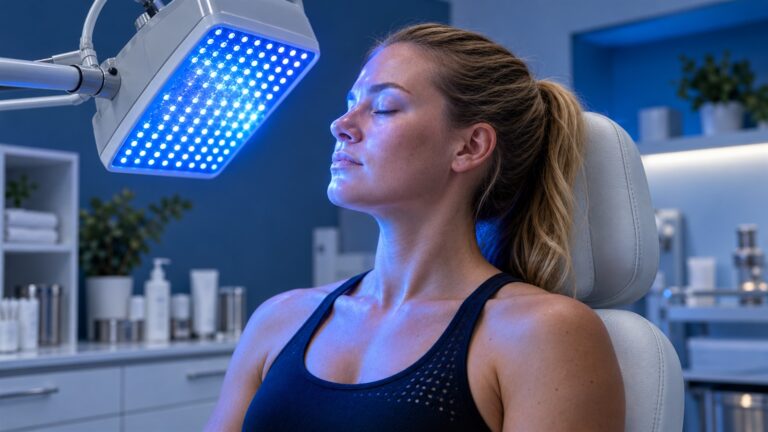
Techniques like deep tissue work, myofascial release, heat therapy, hydrotherapy, and therapeutic ultrasound also appear in case reports as reasonably well tolerated approaches.
Active, forceful, or contractile exercise is a different story. Case reports describe this type of movement as more likely to trigger or worsen spasms in SPS patients, especially early in treatment or during a symptom flare.
Cold exposure is also flagged as a possible trigger in some patients, which is part of why hydrotherapy protocols for SPS often use warm water rather than cold.
The overall message from this limited research base is not “avoid movement.” It is that movement for SPS has to be slow, individualized, and closely supervised by a clinician who understands the condition, rather than following a generic fitness plan.
How Celine Dion Has Described Her Own Approach
Dion has been fairly open about what her current routine actually involves.
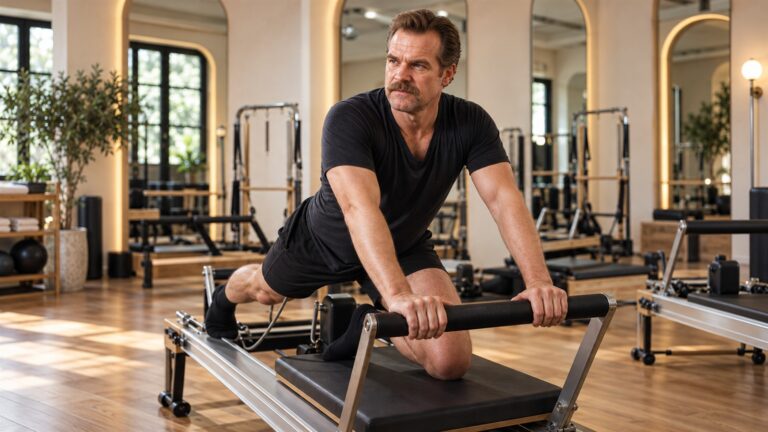
According to reporting from ABC News in August 2026, her preparation for returning to the stage includes 90 minute Pilates sessions three times a week and ballet classes twice a week with a local company.
She has also described ongoing rehabilitation that combines physical therapy, vocal therapy, new medications, and immunotherapy, the ABC News report said.
In her own words, shared during her NBC special, the road has not been simple or fast.
“I had broken ribs at one point. Because sometimes when it’s very severe, it can spasm so hard and break.”
Celine Dion, in an NBC special with Hoda Kotb
That single quote captures why her return has taken years, not months. A body that can spasm hard enough to break a rib needs a very different, very careful kind of training than a typical comeback plan.
Dion has also spoken about her motivation for pushing through that slow process.
“I’m going to go back on stage, even if I have to crawl. I will. I am Celine Dion.”
Celine Dion, in an NBC special with Hoda Kotb
She has connected that determination to something bigger than her own career. In the 2024 documentary “I Am: Celine Dion,” she allowed cameras to capture an actual spasm episode, a moment NBC News described as raw and unfiltered, in what she has said is an effort to help other people better understand this rare disease.
Her Return to the Stage: A Paris Residency Years in the Making
Dion suspended her Courage World Tour in 2023 because of her health.
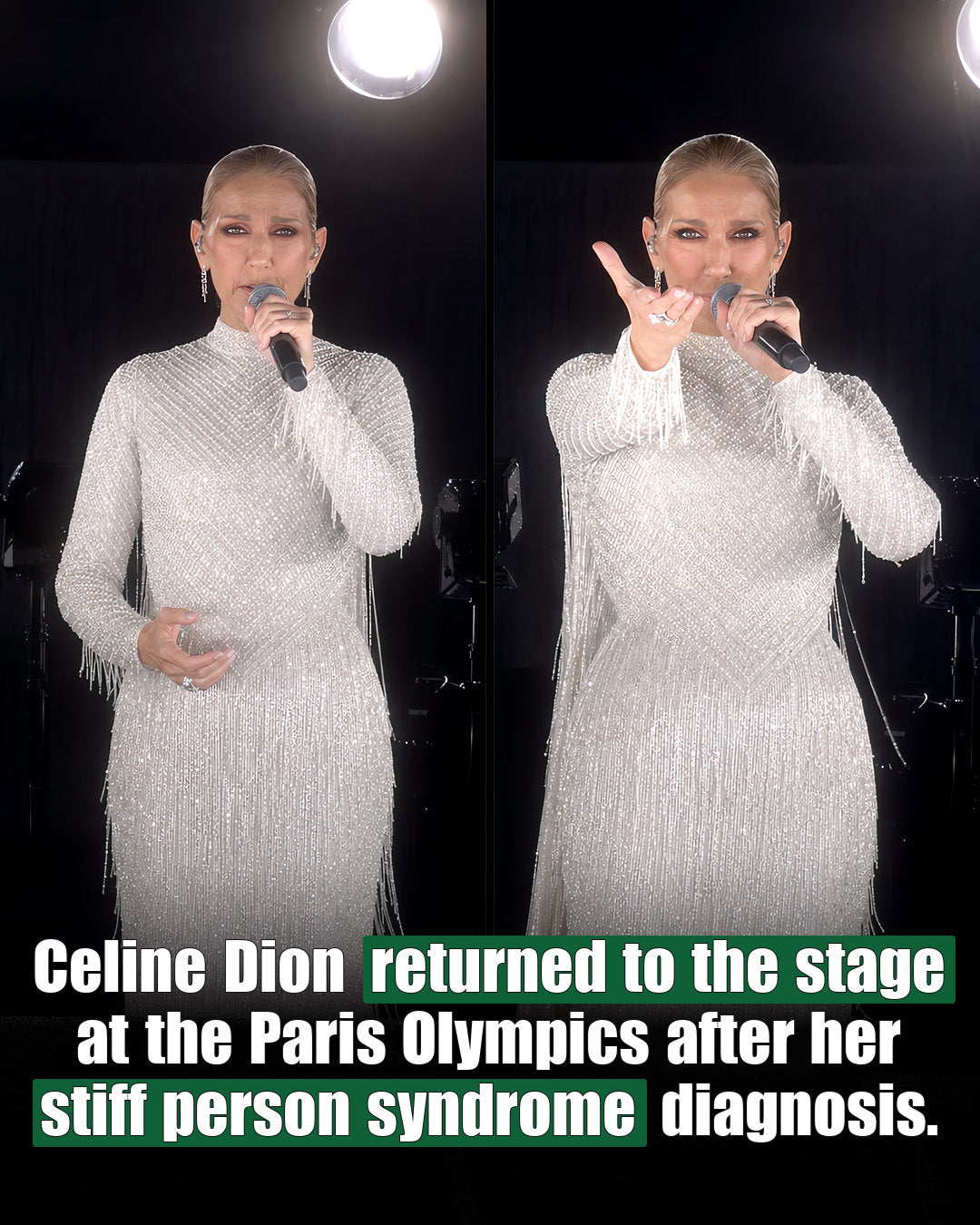
Since then, her only major live appearance came at the 2024 Paris Olympics opening ceremony, where she performed from the Eiffel Tower.
That means her upcoming Paris residency, set to begin September 12, 2026, marks her first extended run of shows in roughly six years, according to ABC News.
The engagement is scheduled to run for five weeks.
Dion has framed the shows as a kind of gift, both to herself and to the fans who have waited through years of uncertainty.
“This year, I’m getting the best birthday gift of my life. I’m getting the chance to see you, to perform for you.”
Celine Dion, quoted by ABC News, August 2026
She has also acknowledged how long the wait has felt, for her and for her audience.
“It’s been so long, I would like to offer them something to show how I’ve missed them.”
Celine Dion, quoted by ABC News, August 2026
What This Evidence Does Not Prove
It is worth being honest about the limits of what is actually known here.
Dion’s specific combination of Pilates, ballet, vocal therapy, and immunotherapy has not been tested in a controlled clinical trial against other approaches for SPS.
Her routine is one closely supervised, individualized program built around her own doctors’ assessment of her body.
It is not a general prescription that has been proven to work the same way for every person with this condition.
SPS also varies a great deal from person to person. Some patients have milder, more localized stiffness. Others have more widespread symptoms or additional autoimmune conditions layered on top.
Because the published research on SPS and exercise is limited mostly to case reports rather than large trials, doctors cannot yet say with confidence exactly which exercise approach works best, for which patients, at which stage of the disease.
Her return to performing also does not mean the condition is resolved or cured. There is currently no cure for SPS. Ongoing management, not a finish line, is the realistic goal for most patients.
Who Should Talk to a Doctor First
SPS is rare, but the broader lesson here applies to anyone dealing with an unexplained pattern of muscle stiffness, spasms, or sudden rigidity.
Anyone experiencing spasms strong enough to affect balance, cause falls, or lead to injury should see a doctor before starting or changing any exercise routine.
People with a confirmed autoimmune neurological condition should work with a neurologist and a physical therapist who has experience with that specific diagnosis, not a general fitness trainer, before beginning a new movement program.
Anyone whose stiffness or spasms are new, worsening, or paired with symptoms like difficulty breathing, swallowing problems, or sudden weakness should seek medical attention promptly rather than trying to manage it alone.
People already on immunotherapy or other SPS medications should also loop their care team in before adding intense new activities like Pilates or dance, since medication schedules and symptom flares can affect how the body responds on a given day.
None of this article is a substitute for a real diagnosis or a personalized treatment plan from a qualified medical professional.
How to Approach Movement Safely When You or a Loved One Has a Rare Neurological Condition
Most readers will not have SPS specifically. But the general approach behind Dion’s routine holds up as sound guidance for anyone managing a rare or complex neurological condition.
Start with a proper diagnosis. Movement plans built on a guess, rather than a confirmed diagnosis, can do more harm than good.
Build a care team, not just a workout plan.
A neurologist, a physical therapist familiar with the specific condition, and, where relevant, other specialists should all be part of the conversation before exercise begins.
A qualified personal trainer can sometimes join that team later, but only once a doctor has signed off on what kind of movement is safe.
Favor gentle, controlled movement first. Passive range of motion work, gentle stretching, and warm water therapy tend to be a safer starting point than high intensity training for many neuromuscular conditions.
Introduce anything more demanding slowly. Small increases, tracked closely, let a person and their care team see how the body actually responds before pushing further.
Pay attention to triggers. For SPS specifically, stress, sudden noise, and cold have all been described as possible spasm triggers, so structured, predictable, low stress movement sessions tend to work better than unpredictable ones.
Caregivers matter here too. If you are supporting someone with a condition like this, learning the specific do’s and don’ts of their diagnosis, rather than applying general fitness advice, is one of the most useful things you can do.
Celebrate small, real progress. Dion’s own path took years of consistent, supervised work rather than a single dramatic turnaround, and that pattern is common across many chronic neurological conditions, not just hers.
This general guidance is not medical advice for any individual reader. Anyone managing a diagnosed neurological condition, or caring for someone who is, should build their movement plan directly with their own doctor or care team.
References
- ABC News, “Celine Dion shares health update on stiff-person syndrome ahead of Paris shows,” August 2026: abcnews.com
- NBC Insider, recap of Celine Dion’s interview with Hoda Kotb on stiff person syndrome: nbc.com
- NBC News, “Celine Dion suffers a spasm in raw documentary scene, casting spotlight on stiff-person syndrome”: nbcnews.com
- Physiopedia, “Stiff Person Syndrome,” clinical overview of causes, symptoms, and physical therapy approaches: physio-pedia.com
This article is for general informational purposes only and is not a substitute for professional medical advice, diagnosis, or treatment. Always talk with a qualified healthcare provider before starting a new exercise or rehabilitation program, especially if you have a diagnosed neurological or autoimmune condition.