
Vin Diesel has spent more than two decades anchoring one of Hollywood’s most physically demanding franchises, the “Fast & Furious” series.
He turned 59 this past July, and he is still training for physically intense roles.
What has changed is not whether he trains hard. It’s how he trains.
Diesel has described a routine that blends traditional strength work with pilates, yoga, and jiu jitsu.
That mix looks very different from the bodybuilder style split he used earlier in his career.
That shift offers a useful, real world example for anyone planning to stay strong well past their 50s.
What Vin Diesel’s Current Training Actually Looks Like
Reporting from Train magazine and Men’s Health describes Diesel’s current routine as a genuine mix, not one dominant style.
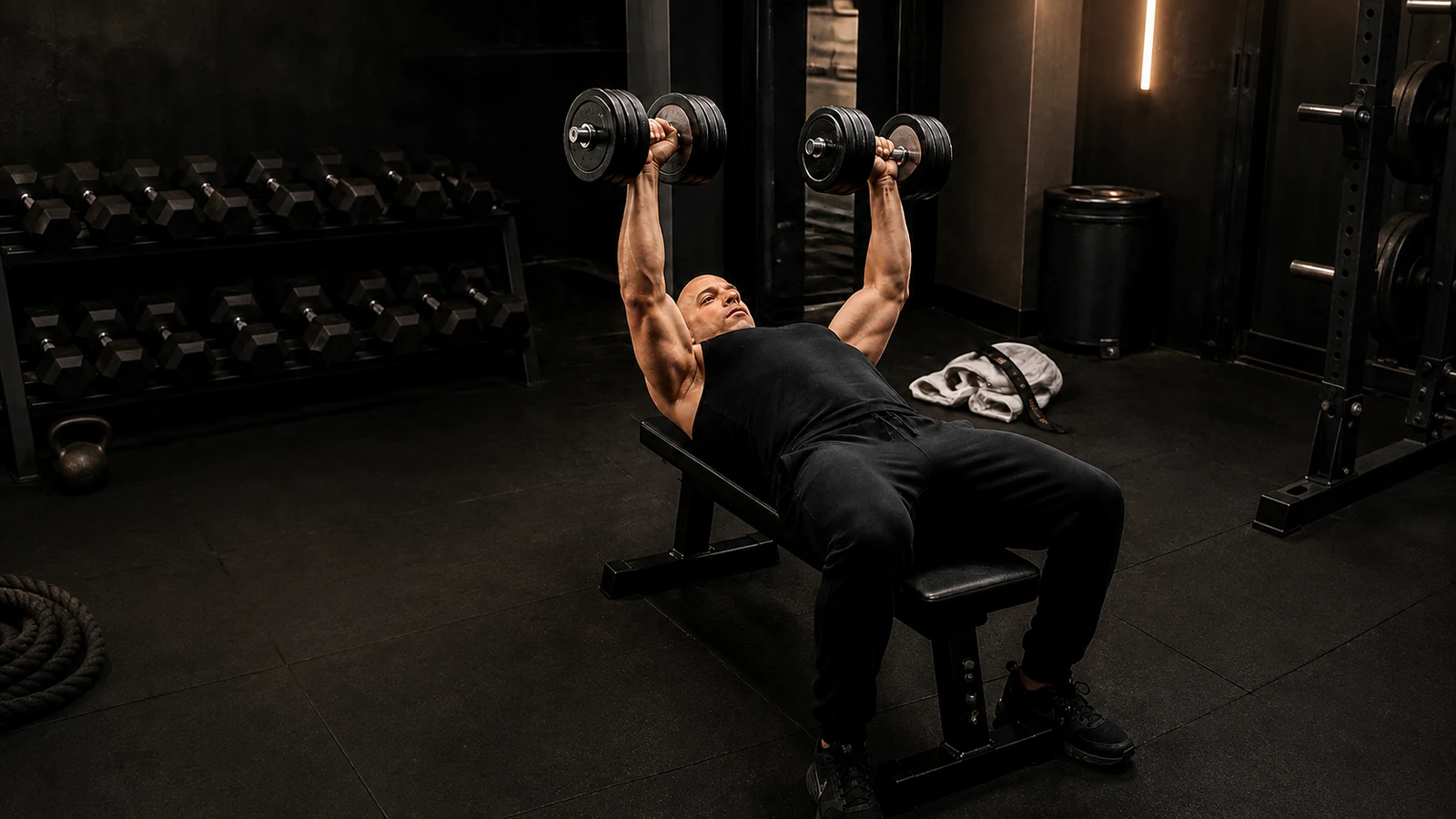
The strength component includes bench press variations, dumbbell flys, rows, and shoulder presses. If you want to dial in your own bench press work, our comparison of the floor press and bench press breaks down what actually changes between the two.
Those are the same kind of foundational lifts that built his physique earlier in his career.
That part hasn’t disappeared.
What’s been added is significant.
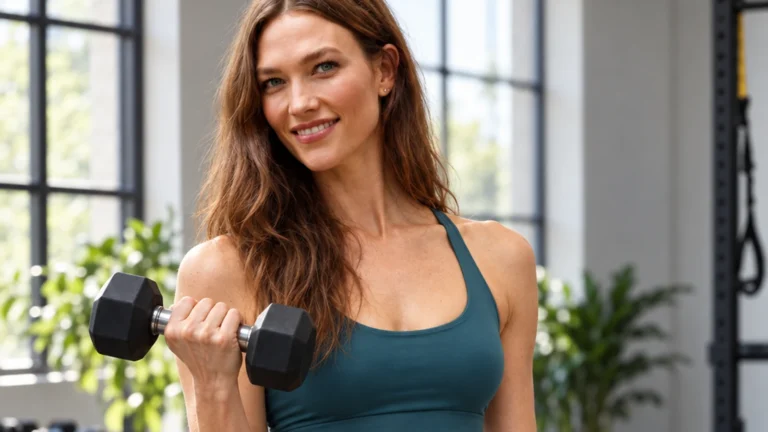
Pilates and yoga now show up regularly for core strength, flexibility, and joint mobility.
Jiu jitsu and fight training add a functional, skill based element that pure lifting doesn’t provide on its own.
Diesel has also used calisthenics, running, and boxing style cardio on a stationary bike as additional tools.
He rotates through these methods rather than repeating the same split week after week.
Diesel’s weight has also fluctuated by role, reaching a reported 270 pounds for a recent project, higher than earlier in his career.
That kind of deliberate weight change for a role is common in acting, and it doesn’t change the underlying training principle.
Whatever the target weight, the mix of strength, mobility, and skill work stays the throughline of his current routine, according to the same reporting.
In Vin Diesel’s Own Words
Diesel has talked about this shift directly in interviews with Train magazine.
“Now I’m much more focused on hitting every part of my body and my fitness in general,” he said.
“There’s a lot more fight training, Pilates, and yoga,” he added.
He has also connected the physical approach to his overall mindset about training.
“I do really believe in ‘healthy body, healthy mind,'” he said.
“I work out less and enjoy it more these days,” he continued.
On what training time means to him now, he added a smaller but telling detail.
“It’s a time in my week where I don’t have to juggle things,” he said.
“I can just exercise and be present,” he explained.
Why Training Variety Matters More With Age
Relying on one training style for decades becomes harder to sustain as the body ages.
The same joints and connective tissue absorb the same repetitive stress, year after year.
That repeated stress happens with less recovery capacity than the body had at 25 or 30.
Mixing strength, mobility, and skill based training spreads that load across different movement patterns.
That is closer to how the body was actually built to move, rather than repeating one narrow pattern thousands of times.
Pilates and yoga in particular target something heavy lifting alone often misses.
That missing piece is controlled mobility through a full range of motion, along with core stability that supports the spine during everything else a person does.
What the Research Says About Training This Way
National physical activity guidelines from the Centers for Disease Control and Prevention already point toward exactly this kind of mixed approach.
The guidelines call for 150 minutes of moderate intensity aerobic activity a week, or 75 minutes of vigorous intensity activity.
That aerobic work should be combined with muscle strengthening exercise on two or more days a week that covers all the major muscle groups.
Research on Pilates specifically backs up its role as a complement to strength training, not a replacement for it.
A body of studies on older adults has found Pilates can improve strength, balance, mobility, and reduce pain.
Those benefits show up most clearly when Pilates is layered on top of resistance training, rather than used alone, a pattern our own deep dive into Pilates research for older adults confirmed in detail.
The body does not stay strong by doing the same thing forever. It stays strong by staying capable across more than one demand.
Jiu jitsu and other skill based martial arts add something research consistently links to healthy aging.
That something is balance, coordination, and reaction time, all of which decline faster than raw strength does if they are never trained directly.
Jiu jitsu specifically layers in a demand that most gym based training never touches, reacting to another moving person in real time.
That kind of unpredictable movement challenge is part of why martial arts and similar sports show up repeatedly in research on fall prevention for older adults.
A gym routine trains the body to move well through planned, repeatable patterns.
Sparring, rolling, or any live partner drill trains the nervous system to react to something it didn’t plan for, which is closer to how a fall or a stumble actually happens in daily life.
How This Compares to General Fitness Guidance for People Over 50
Diesel’s approach lines up closely with what exercise physiologists generally recommend for adults training into their 50s and beyond.
Very few people, of course, have his schedule or access to a team of trainers.
The core principle still transfers directly.
Combine resistance training, mobility work, and some form of skill or balance based activity, rather than treating strength training as the only thing that matters.
What doesn’t transfer is the specific mix.
Jiu jitsu isn’t required, and neither is a professional level Pilates practice.
The principle is variety across movement types, not any one specific combination of disciplines.
A swimmer might pair laps with resistance bands and a weekly dance class.
A runner might add a short strength circuit twice a week and a stretching or mobility routine on rest days.
The categories matter more than the specific activities chosen to fill them.
Common Mistakes People Make Training Past 50
The most common mistake is doing the exact same workout that worked at 30 and expecting the same results at 55 or 60.
Recovery capacity changes with age, even when strength and motivation haven’t.
Another mistake is dropping strength training entirely in favor of only low impact activities like walking or swimming.
Muscle and bone density decline with age regardless of activity level, and resistance training is one of the few tools that directly slows that decline.
Skipping mobility and balance work is another common gap.
Many people only add balance training after a fall or a mobility problem, when it works far better as ongoing prevention.
Finally, some people assume variety means constantly switching programs with no consistency at all.
That’s different from what Diesel describes. He rotates training types within a consistent weekly structure, not randomly from week to week.
Diesel isn’t the only action star whose approach to training later in a career offers a useful lesson.
Our look at George Foreman’s comeback training covers a different sport, boxing, but the same underlying theme of adapting a training approach with age rather than abandoning it.
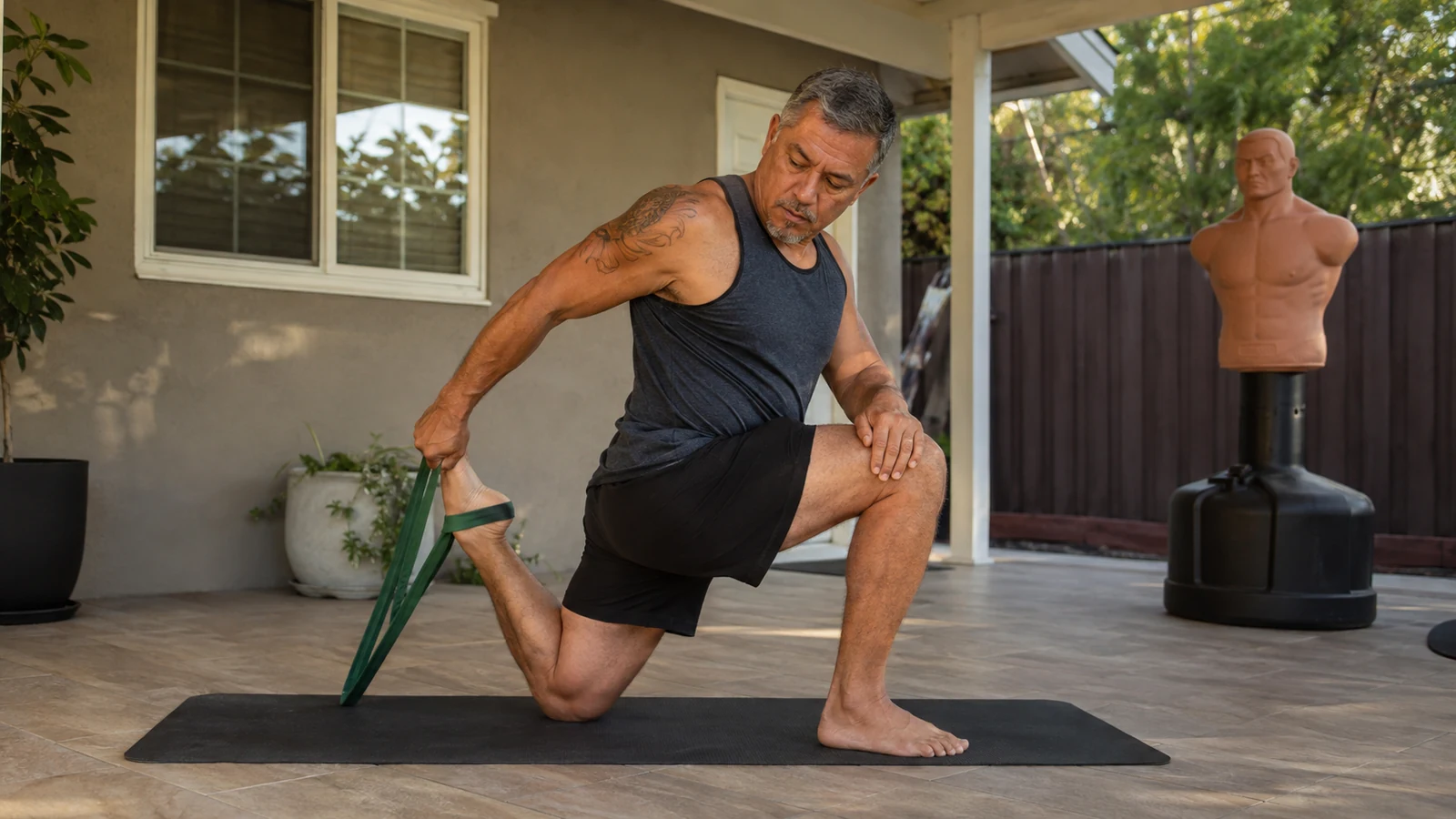
How to Build a More Varied Training Routine at Any Age
Start with two strength sessions a week covering the major muscle groups.
Legs, back, chest, shoulders, and core all need direct attention, not just whatever feels easiest.
Add one mobility focused session.
A beginner Pilates or yoga class works well, and many gyms and studios offer options built specifically for people newer to the format.
Include one activity that challenges balance or coordination.
This doesn’t have to be jiu jitsu. Dance classes, recreational sports, and even structured balance drills all work.
Keep at least one cardio session that isn’t just steady walking.
Cycling, swimming, or an easy jog all count, and rotating the mode reduces repetitive strain on any single joint.
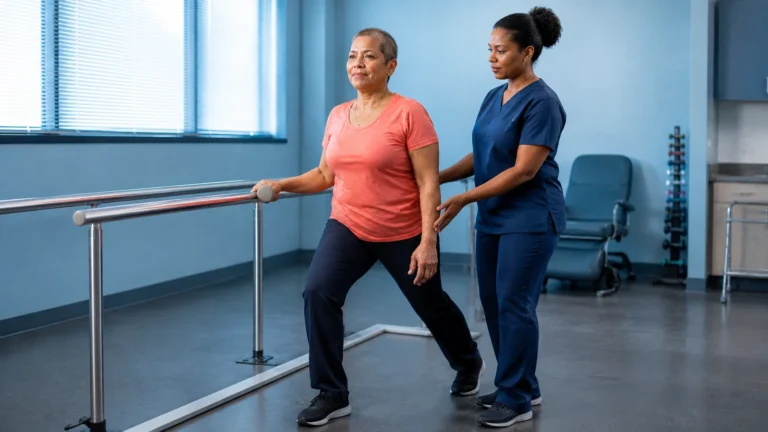
Give each session real recovery time.
Two intense sessions back to back without rest is a common way people get hurt, especially past 50.
Adjust intensity honestly, not by comparing to a younger version of yourself.
Diesel’s own comment about working out less and enjoying it more reflects a shift many people benefit from making deliberately, rather than being forced into it by injury.
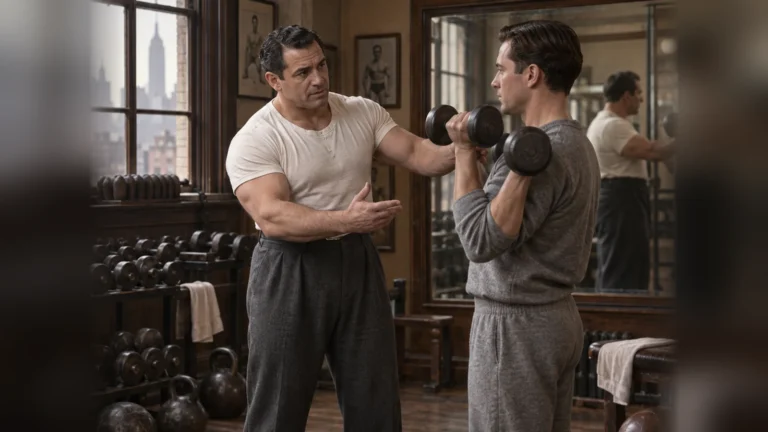
Work with a professional if possible, especially for jiu jitsu, advanced Pilates, or any new skill based training.
Proper coaching lowers injury risk significantly when learning a new movement pattern later in life.
Start slower than feels necessary with any contact based training.
Many gyms offer beginner or “no gi” jiu jitsu classes specifically designed for adults new to grappling, with a much lower injury rate than competitive sparring.
Track consistency over months, not single workouts.
A varied routine only pays off if each piece, strength, mobility, and skill work, gets repeated regularly enough to actually build adaptation over time.
Get a baseline checkup before adding anything new, especially a contact sport.
A doctor can flag blood pressure, joint, or heart concerns that matter more once training intensity or impact increases, which is worth knowing before the first class, not after an injury.
Reassess the mix every few months rather than locking into one combination forever.
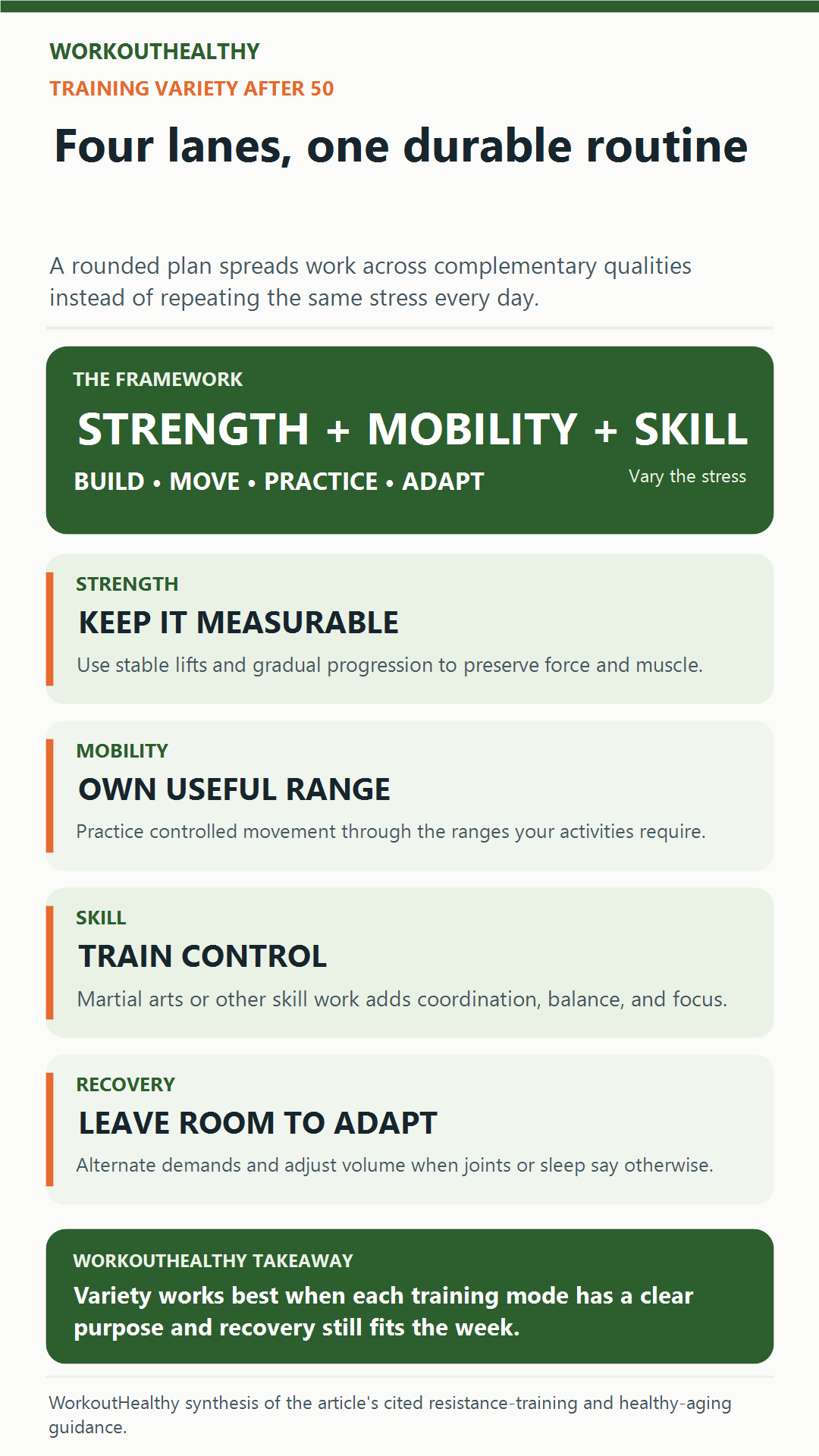
What Diesel’s approach really models is not a fixed program, but a habit of checking whether the current routine is still covering strength, mobility, and skill, and adjusting when one of those pieces has quietly dropped out.
References
- Train magazine. “Diesel Fuel With Cover Star Vin Diesel.”
- BoxLife Magazine. “Vin Diesel Just Hit 270 Pounds at 58 for a New Role, But It’s His Wildly Varied Routine That Has Fans in Awe.”
- Centers for Disease Control and Prevention. Physical Activity Guidelines for Adults.
- WorkoutHealthy Insider. “Pilates for Older Adults: What Research Really Found.”
This article is for general information only and is not medical advice. Anyone starting a new training style, especially contact sports like jiu jitsu or a new mobility practice, should check with a doctor or physical therapist first, particularly if they have existing joint issues, heart conditions, or have been inactive for an extended period.