12 Gym Stereotypes and How to Share the Floor

From the equipment collector to the surprise coach, these gym stereotypes are familiar. See what behavior matters, what the science actually says, and what to say in awkward moments.


From the equipment collector to the surprise coach, these gym stereotypes are familiar. See what behavior matters, what the science actually says, and what to say in awkward moments.

Compare walking studies by their actual measurements, reference groups and cancer outcomes. Learn why incidence, cancer deaths and self-reported pace cannot be combined into a guaranteed step-count target.

Sled pushes have direct evidence for short acceleration in trained youth athletes, but claims about muscle growth and injury safety are less certain. Use a goal and comparison log to judge their role.

Compare sandbag and barbell training by the task you want to improve, with actual study results, clear evidence limits and a repeatable training record.
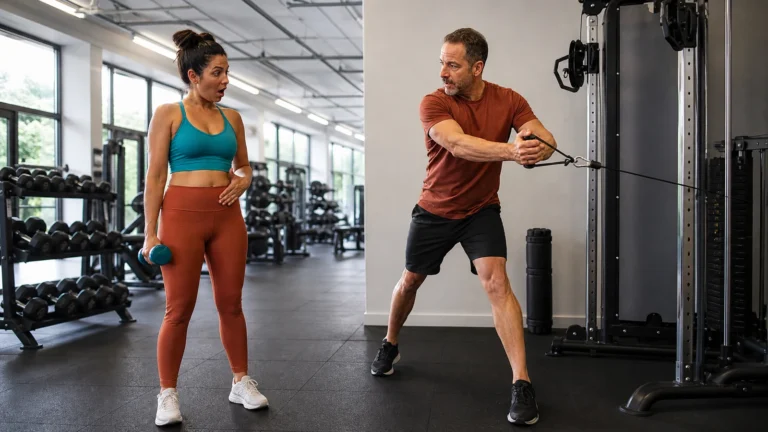
Six common fitness myths checked against original research, including spot reduction, stretching, women and weights, soreness and short exercise bouts.
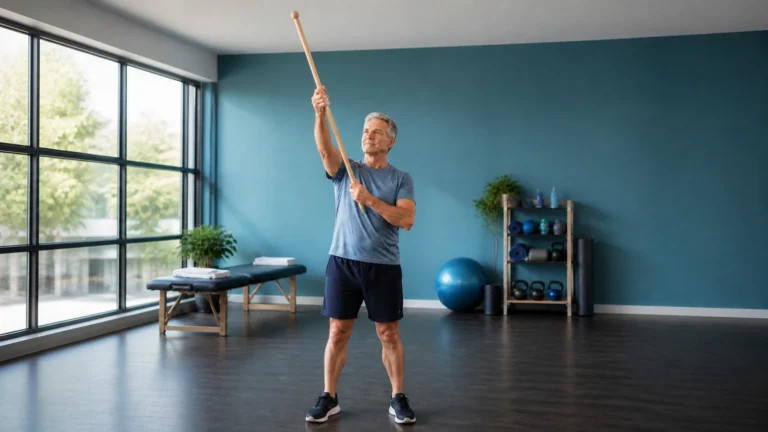
Understand passive, assisted and resisted shoulder exercises using source-specific hospital examples, surgical exceptions and controlled timing research. A day-26 diary is context, not a personal rehabilitation schedule.

Check eight personal trainer red flags against the coaching you actually receive, then use a delivery record to decide what needs to change before you renew.

Compare supported home pulmonary rehabilitation with center care and a five-movement video, plus a practical record to complete with your rehab team.

Separate the effect of one warm-up from season-long programs, with four soccer studies, their primary outcomes and the limits of applying them elsewhere.

Understand the seven-gram fiber finding, compare heart-disease and cholesterol outcomes, and use food-swap arithmetic without turning an association into a personal forecast.