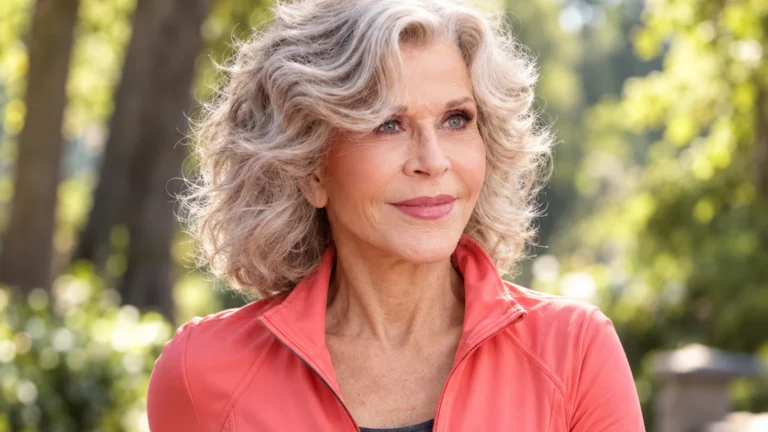

Martha Stewart does not need an invented workout to sound impressive. In a direct interview published in December 2025, she described a structured week with early Pilates and weight-training sessions, plus walking, gardening, commuting, and travel.
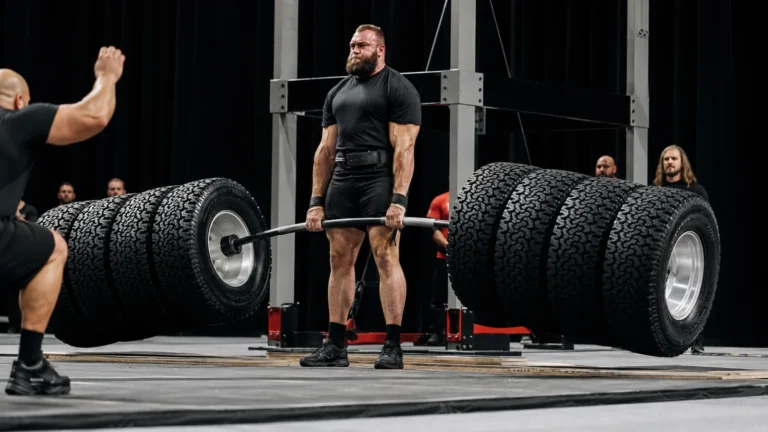
The viral version turns that consistency into a harsher story: no days off, elite reformer work, and a fixed menu of heavy deadlifts, rows, and curls. The source supports a demanding routine, but not every one of those details.
Stewart was 84 when the interview appeared. She turned 85 on August 3, 2026. Her schedule is a useful example of combining strength, mobility, and everyday activity, not a universal prescription for adults in their 80s.
Her Weekly Schedule Is Specific
Stewart told Women’s Health that she exercises “religiously” at 6:30 a.m. nearly every day. She described weight training with a trainer on Tuesday and Thursday and Pilates on Monday, Wednesday, and either Friday or Saturday, depending on her schedule.
That amounts to five structured sessions in a typical week. The days can shift around work and travel. It is consistent, but it is not the same as a documented seven-day plan with no rest.
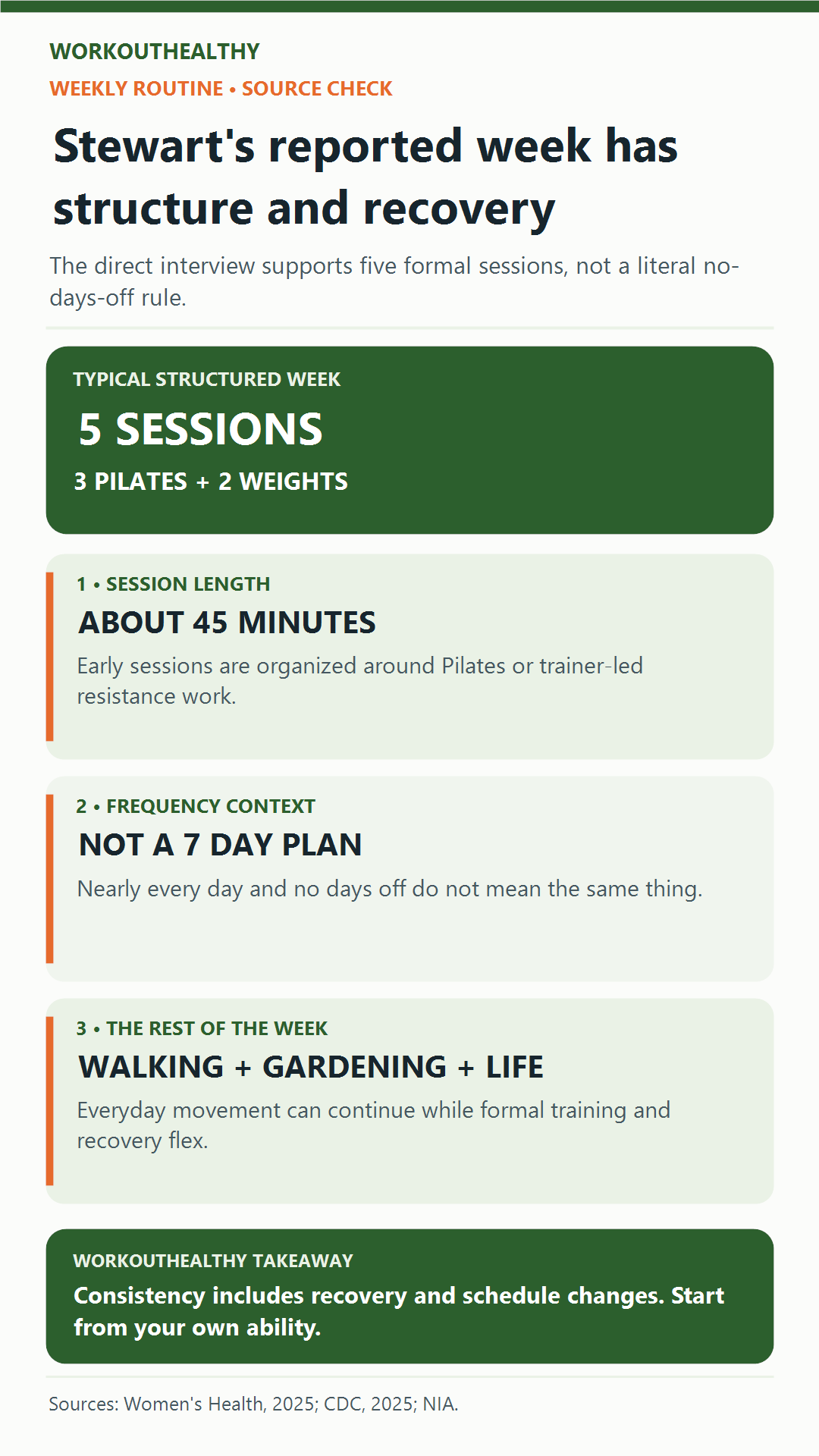
Her workouts last about 45 minutes. That is enough time for productive training when the exercises are selected well and the transitions are organized.
The “No Days Off” Line Is an Exaggeration
“Nearly every day” and “no days off” are not interchangeable. One describes a strong habit. The other implies that recovery is unnecessary and that missing a session is a failure.
Rest does not always mean lying still. A day without formal Pilates or lifting may still include walking, gardening, household work, and travel. That lower-intensity movement can coexist with recovery.
The practical lesson is to create a repeatable schedule with room to move sessions. It is not to protect a streak at the expense of sleep, joint comfort, or illness.
A weekly plan also needs flexibility for normal life. If travel interrupts a session, moving it to the next available day is not lost discipline. If fatigue is unusually high, reducing resistance or taking an extra recovery day can protect the following week. Consistency is the ability to resume a sound plan, not the ability to ignore every signal that the plan should change.
Pilates Is the Largest Part of the Plan
Stewart said she works with a Pilates instructor three mornings most weeks. The sessions use both the mat and reformer and run for about 45 minutes.
She called the work intense and described moving almost continuously. That suggests a challenging pace, but “super advanced” is not a standardized clinical or fitness classification. A session can be difficult because of resistance, range of motion, balance demands, tempo, or short transitions.
Pilates can train trunk control, coordination, and muscular endurance. It does not replace every benefit of progressive resistance training, which is why the two weekly lifting sessions matter.
The Exact Weight Exercises Were Not Confirmed
The caption names deadlifts, rows, and curls with heavy resistance. Those are plausible exercises, but the direct interview did not provide that exact list.
Stewart said she trains with dumbbells and machines and that the weights she handles have stayed fairly stable. That supports continued resistance work, not a claim about specific loads or personal records.
When a celebrity story supplies precise exercises that the primary source does not, the safest approach is to label them unverified. Readers should not assume that copying three movements recreates an individual program.
Two Strength Days Can Be Enough
Two well-designed full-body sessions can train all major muscle groups. A simple plan might include a squat or sit-to-stand, a hip hinge, a push, a pull, a calf exercise, and a carry or balance drill.
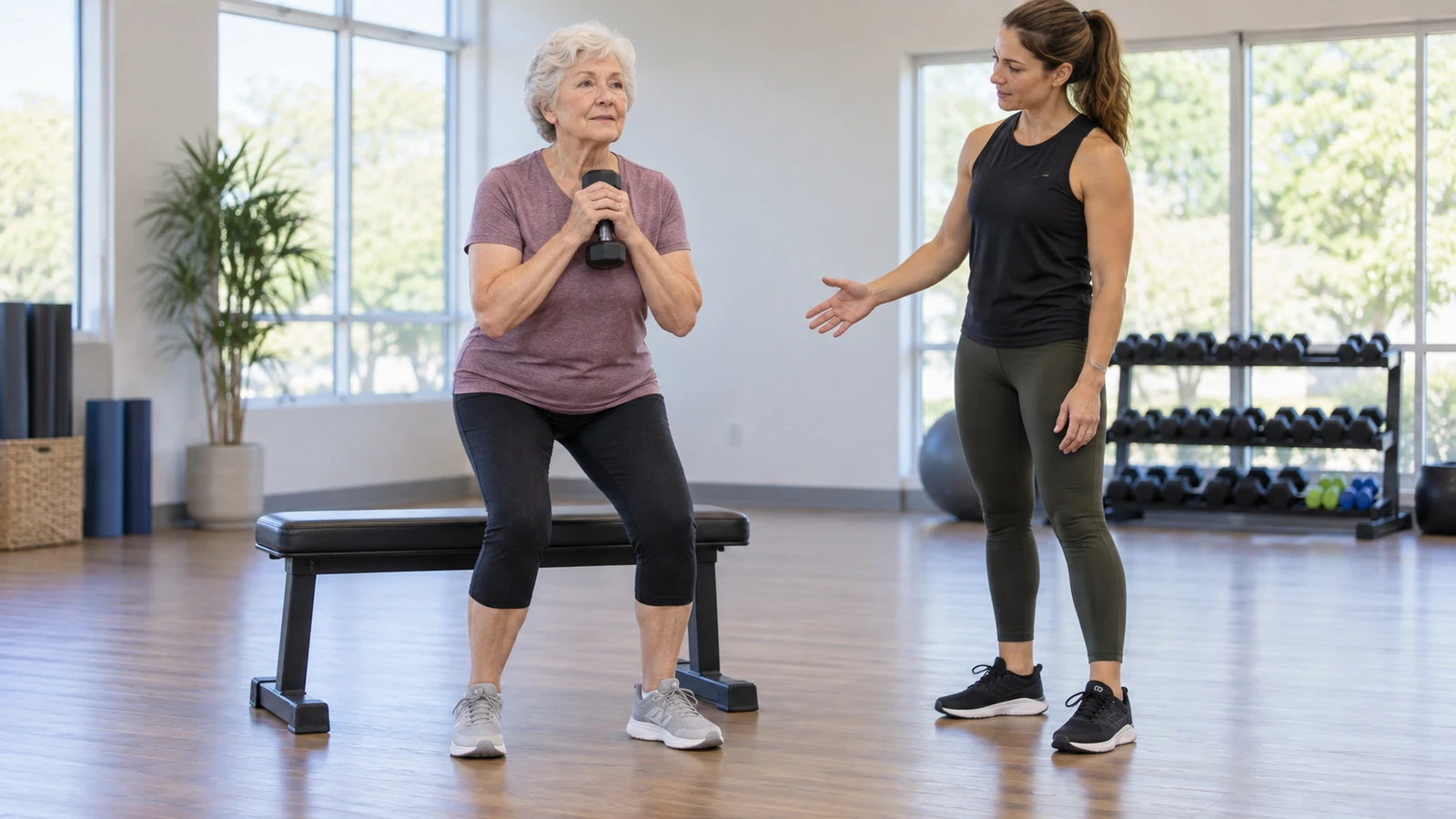
The useful variables are effort, technique, progression, and recovery. More days do not automatically produce better results if every session is rushed or painful.
Our 30-minute standing dumbbell workout for women over 50 shows how a smaller menu can cover the body without turning training into a daily endurance test.
Walking and Gardening Add Meaningful Movement
Stewart said she walks a lot and gardens a lot. She also commutes to New York City and travels for work. Those activities increase total movement outside formal exercise.
That distinction matters. Health is influenced by the whole week, not only the minutes labeled as a workout. Walking between tasks, carrying items, climbing stairs, and working in a garden all create physical demand.
Everyday movement is not a substitute for all strength or balance training, but it helps explain why Stewart’s routine cannot be reduced to five 45-minute appointments.
Horseback Riding Adds Skill and Balance
Earlier interviews have described horseback riding as another regular activity. Riding involves posture, coordination, and repeated adjustments to an unpredictable moving surface.
It is also a skill with fall risk. An experienced rider with access to instruction and a familiar horse has a different risk profile from a beginner.
The broad lesson is to keep at least one activity that requires attention and coordination. That could be dancing, tai chi, racquet sports, or supervised balance practice rather than horseback riding.
Exercise Supports Aging but Does Not Stop It
Strength and aerobic activity can help preserve function with age. They do not make a person ageless, and no routine guarantees Stewart’s appearance, workload, or health at 85.
Her results reflect a lifetime of activity, resources, medical care, personal preferences, and genetics. A person beginning at 65 or 80 can still improve without matching her schedule.
Healthy aging is better measured by tasks that matter: rising from a chair, carrying groceries, walking comfortably, climbing steps, and recovering well enough to stay active tomorrow.
Recovery Belongs Inside the Program
Muscle adapts between training sessions. Tendons, joints, sleep, and energy also affect what a person can repeat safely.
Signs that a plan needs adjustment include pain that changes normal movement, unusual fatigue that persists for days, worsening sleep, declining performance, and dread before every session.
Stewart’s alternating pattern naturally separates most lifting and Pilates days. That does not guarantee full recovery because both can challenge the same muscles, but it spreads the highest demands better than repeating the identical workout every morning. Training plans should consider overlap, not only the name printed on the class schedule.
A recovery day can include an easy walk and gentle range-of-motion work. It can also be complete rest. The right choice depends on symptoms and the previous training load.
How to Build a Scaled Stewart-Inspired Week
A beginner does not need five formal sessions immediately. Start with a smaller version:
- Monday: 20 to 30 minutes of beginner Pilates or mobility.
- Tuesday: A full-body strength session with one or two sets per exercise.
- Wednesday: An easy walk or gardening at a comfortable pace.
- Thursday: Repeat the strength session with controlled technique.
- Friday or Saturday: A second Pilates, balance, or skill session.
Add duration or resistance only after the current week feels repeatable. Progress can mean one more repetition, a slightly heavier dumbbell, a steadier balance position, or a longer walk.
Adults Over 60 Should Scale the Exercise, Not Avoid It
Age alone does not ban lifting, Pilates, or challenging exercise. Current ability, health conditions, medications, joint history, and experience determine the appropriate starting point.
Some exercises may need a chair, rail, shorter range of motion, or slower tempo. Our guide to exercises to rethink after 60 explains how modification can preserve the training effect.
New chest pain, dizziness, fainting, unexplained shortness of breath, or rapidly worsening exercise tolerance deserves medical evaluation. It is not a cue to push through.
Food Is Part of the Story, Not an Anti-Aging Formula
Stewart is often associated with green juice and produce from her garden. Those foods can fit a nutrient-rich diet, but they do not explain her fitness by themselves.
Active older adults need enough total food and protein to support training. Hydration, calcium, vitamin D, and other nutrients may also matter depending on the person’s diet and medical history.
Our review of a daily smoothie promoted for healthy aging reaches the same conclusion: useful ingredients are not a replacement for a complete eating pattern.
The Bottom Line
Martha Stewart’s documented routine is demanding without embellishment. Most weeks include three Pilates sessions, two weight workouts, and substantial movement from walking, gardening, work, and travel.
The source does not establish a literal no-days-off rule, a formal elite Pilates level, or the caption’s exact list of heavy exercises. Those additions turn consistency into spectacle.
The useful model is a balanced week: strength, controlled movement, everyday activity, a skill you enjoy, and enough recovery to repeat it. Start from your own ability rather than using an exceptional 85-year-old as the minimum standard.
Get the next evidence check.
Five practical fitness stories worth your time, every Friday.
One email a week. No product pitches. Unsubscribe in one click.
References
Women’s Health. (2025). Martha Stewart probably works out harder than you.
Centers for Disease Control and Prevention. (2025). About physical activity.
National Institute on Aging. Four types of exercise can improve your health and physical ability.
Medical disclaimer: This article is for general information only and is not medical advice. If you have an injury, ongoing pain, or a medical condition, talk to a doctor or physical therapist before you change how you train or eat.