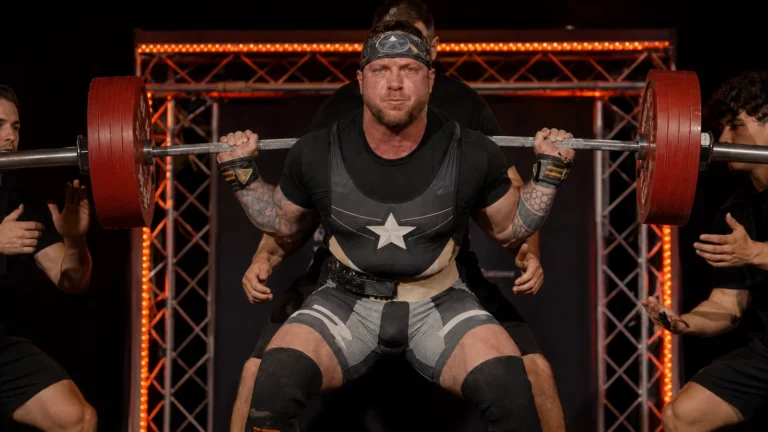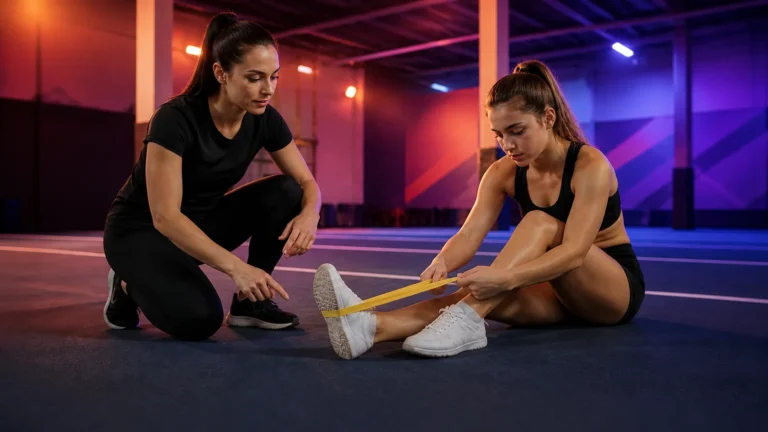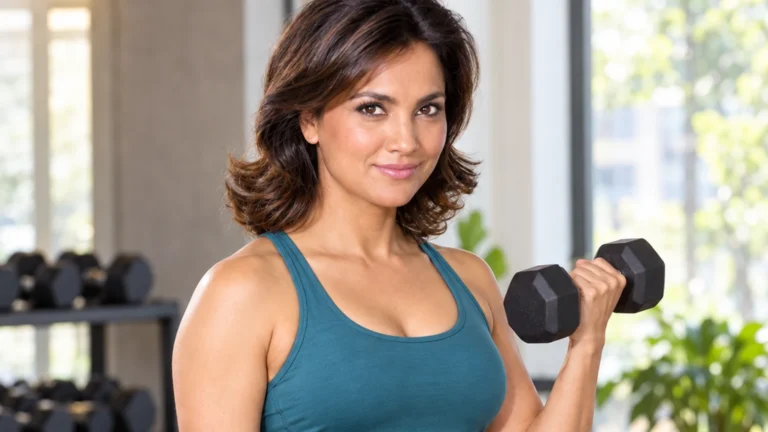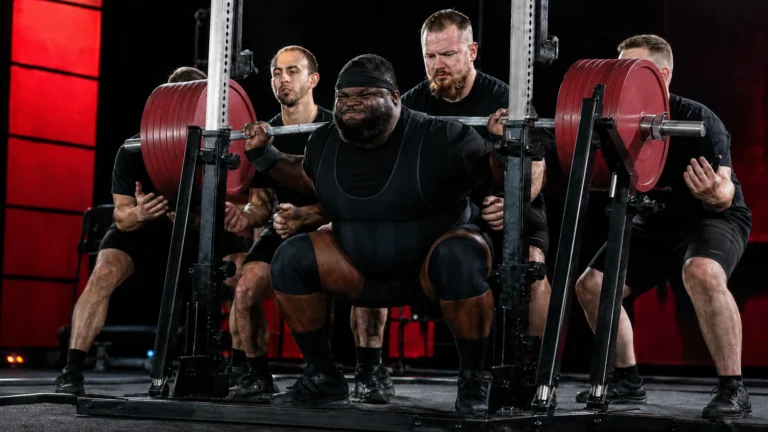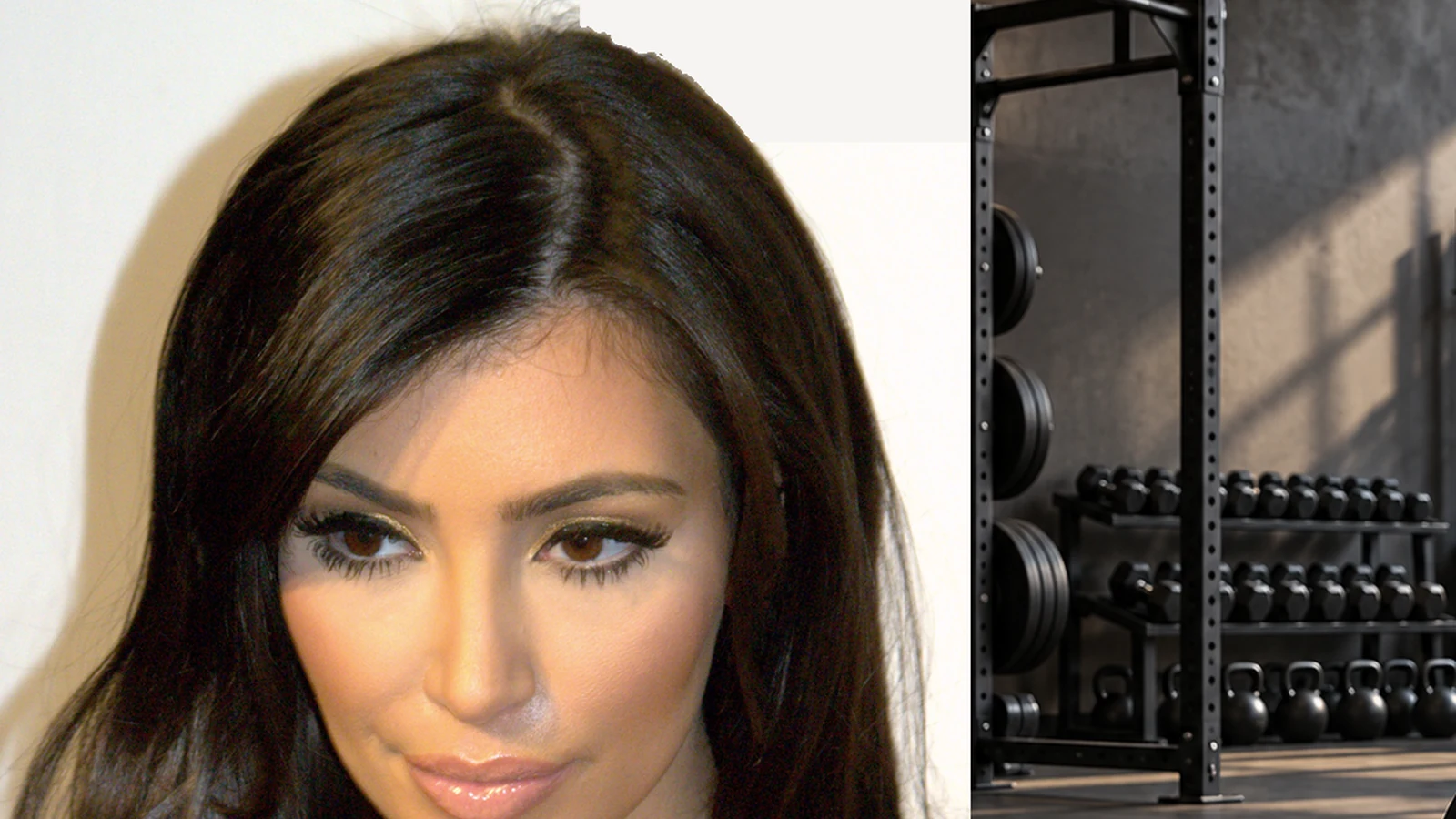

Kim Kardashian describes weightlifting as a major part of her own routine. Her comment is a personal preference, not a program for everyone, but it can be a useful prompt to consider the kinds of strength-focused movement that feel interesting and accessible in your life.
“I am a big weightlifter, so I do lots of weights.”
Kim Kardashian
A personal perspective on weightlifting in a personal routine
Kim Kardashian is sharing a personal point of view, not a formula that every reader should follow. That distinction matters because routines are shaped by work, responsibilities, access, energy, preferences, and health needs. The value of the quote is in the question it raises for your own life.
The quote does not say how much weight anyone should lift or what a routine should include. Its value is in showing that strength work can be one part of a broader, personal relationship with movement. Rather than trying to copy someone else’s schedule, consider the kind of movement that feels relevant and realistic for you now.
Begin with a version you can repeat
A sustainable routine does not need to start with an intense plan. A short walk, a beginner session, a familiar class, or time set aside to practice a skill can all provide a clear starting point. The best first step is often the one that fits the day you actually have.
If strength work interests you, choose a starting point that matches your experience, available equipment, and current comfort level. Keeping the setup simple can reduce the pressure to make every session perfect before you have even begun.
Stay curious about what works
Curiosity can make a movement habit more personal. Notice the pace, setting, music, company, and type of activity that make it easier for you to return. Those details can reveal more than a generic plan ever could.
You are allowed to change your mind as you learn. A routine can evolve with your schedule and interests while still keeping its central purpose: making room for movement in a way that feels useful.
Give the routine enough flexibility
Different days call for different choices. A more energetic session may fit at one point in the week, while a gentle walk, simple mobility practice, or rest may be more appropriate at another. Flexibility keeps movement from turning into an all-or-nothing test.
When a movement or load does not feel right, modify it, ask for qualified guidance, or choose a different activity that lets you continue safely. A smaller choice can still be part of a steady relationship with activity.
Measure progress in personal terms
Progress may be a greater sense of familiarity, the satisfaction of keeping a date with yourself, or the discovery of an activity you enjoy. These signs may not be dramatic, but they can help a routine earn a meaningful place in your life.
Let Kim Kardashian’s words prompt a practical reflection: What would make movement worth returning to this week? A specific answer can guide the next decision more effectively than comparison or outside pressure.
Make the idea useful this week
Choose one action that fits your circumstances, then use the experience to decide what you want to keep, simplify, or change. A routine becomes more useful when it reflects real feedback from your own life.
This is an invitation to take a thoughtful next step, not to follow a rigid rule.
Source and context
This quote comes from Vogue’s article on Kim Kardashian’s NikeSKIMS debut. Read or watch the original source for the full context of Kim Kardashian’s comments.
For our editorial approach to celebrity workout stories and quotes, see How We Cover Celebrity Fitness.
This article is for general informational purposes only and is not a substitute for professional medical advice, diagnosis, or treatment. Always talk with a qualified healthcare provider before starting a new exercise program, especially if you have an injury, ongoing pain, or a health condition.