
A jiu jitsu coach on YouTube says most combat athletes get their nutrition wrong.
The claim is specific to fighters, wrestlers, judoka, and grapplers who also lift weights.
It touches two things that decide a lot in this sport, making weight and building strength.
Both topics carry real risk when athletes get them wrong under a deadline.
So we pulled the peer reviewed research on combat sports nutrition to see what actually holds up.
Here is what the science says, and where the video’s framing needs a caution label.
What the Video Claims
The video, titled “How to Build a Nutrition Plan for Combat Sports Performance And Lifting,” comes from the channel RomanJiuJitsu.
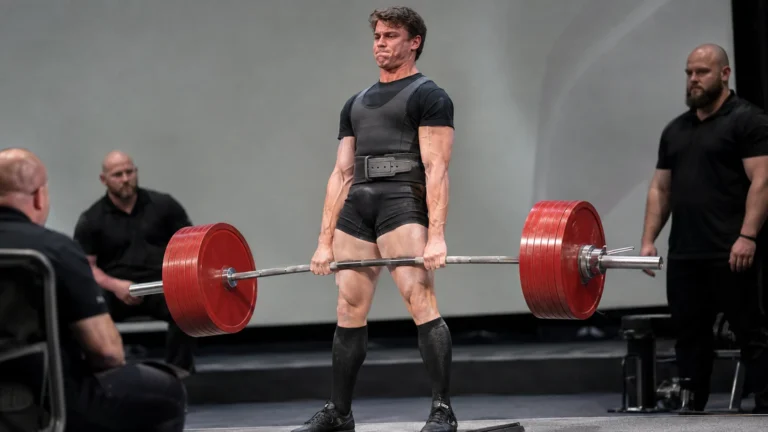
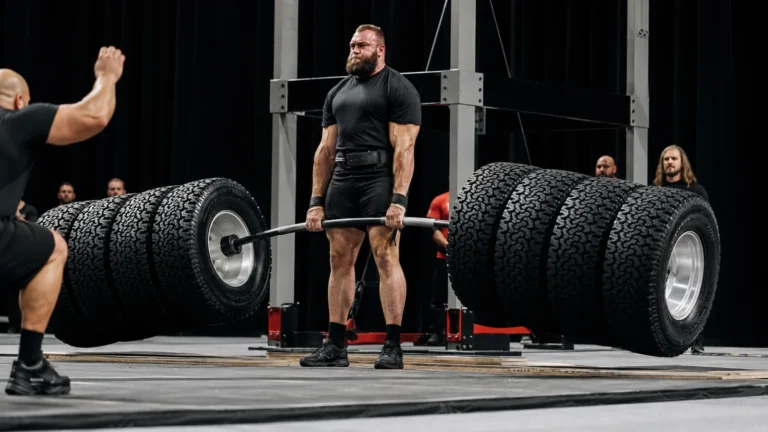
It argues that combat athletes need a different nutrition approach than typical gym goers because they train two systems at once, a skill based grappling or striking practice and a strength program.
The creator frames weight cutting as something that has to be planned weeks in advance, not rushed in the final days before weigh in.
The video also emphasizes protein intake for recovery and muscle retention while an athlete is in a calorie deficit.
These are reasonable, mainstream positions among sports nutrition coaches.
The video is a coach’s personal framework, not a peer reviewed source, so we checked its main claims against published research below.
What the Research Actually Shows About Weight Cutting
Rapid weight loss is extremely common in combat sports, and the research on how common it is comes from direct surveys of competitors.
A widely cited study of judo athletes found that most competitors cut weight before nearly every tournament, often losing several percent of body mass in the final days (Artioli et al., 2010).
That same study found many athletes used methods with real health costs, including fluid restriction, sweating in saunas or plastic suits, and skipping meals, rather than gradual fat loss over weeks (Artioli et al., 2010).
A separate review of the physiological and performance effects of weight loss in combat sports found that rapid, severe cuts can reduce strength, power, and endurance in the hours that follow (Franchini et al., 2012).
The same review found that a slower, more gradual approach, spread across several weeks rather than a few days, does far less damage to performance (Franchini et al., 2012).
Gradual weight loss spread across weeks protects strength and power far better than a fast cut squeezed into the final days before weigh in.
This lines up with the video’s core message about planning a cut weeks in advance instead of days.
The research supports that part of the video’s framing directly.
Why Rapid Cuts Hurt the Body
Most rapid weight loss in combat sports comes from cutting water, not fat.
An athlete who restricts fluids and sweats heavily can drop several pounds in a day, but almost none of it is body fat.
Dehydration reduces blood plasma volume, which makes the heart work harder to pump the same amount of blood around the body.
It also strains the kidneys, since they need adequate fluid to filter waste properly.
A documented case study of a mixed martial arts athlete who used extreme weight making methods, including severe fluid and food restriction before a fight, found that he developed measurable kidney injury and signs of severe energy deficiency (Kasper et al., 2019).
That case was extreme, but it shows the injury is not theoretical.
Chronic dieting on top of dehydration also disrupts hormones tied to recovery and immune function, which is part of why fighters sometimes feel flat in fights they cut hard for.
Our article on losing weight and muscle mass covers a related problem, since a fast enough cut starts pulling from muscle tissue as well as water and fat.
How Carbohydrate Needs Shift Across a Training Camp
Combat athletes ask a lot of their glycogen stores.
Grappling and striking practice both rely heavily on stored carbohydrate, and so does a lifting session added on top.
Research on nutrient timing has found that spreading carbohydrate and protein around training sessions supports better recovery than eating the same food at random times of day (Kerksick et al., 2008).
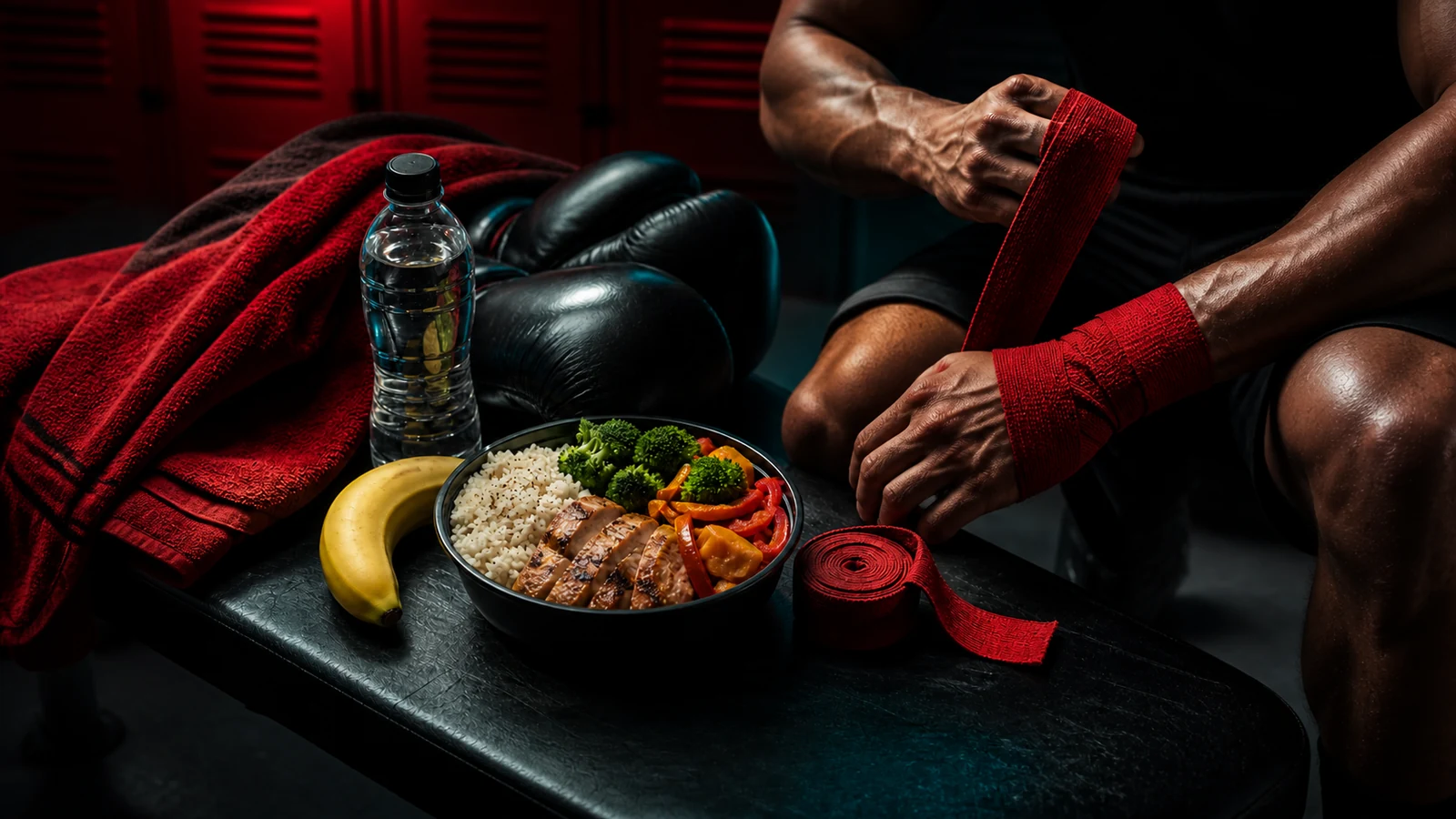
Early in camp, while an athlete trains hard and has not started cutting weight, carbohydrate intake can stay relatively high to support both disciplines.
As the cut tightens in the final weeks, total calories drop, and carbohydrate is usually one of the first things trimmed.
Trimming carbohydrate too early or too far can leave technical sessions feeling sluggish, since low glycogen makes fast decision making and explosive movement harder.
A better approach keeps carbohydrate around harder training days and cuts it more on lighter days, rather than cutting it evenly across the whole week.
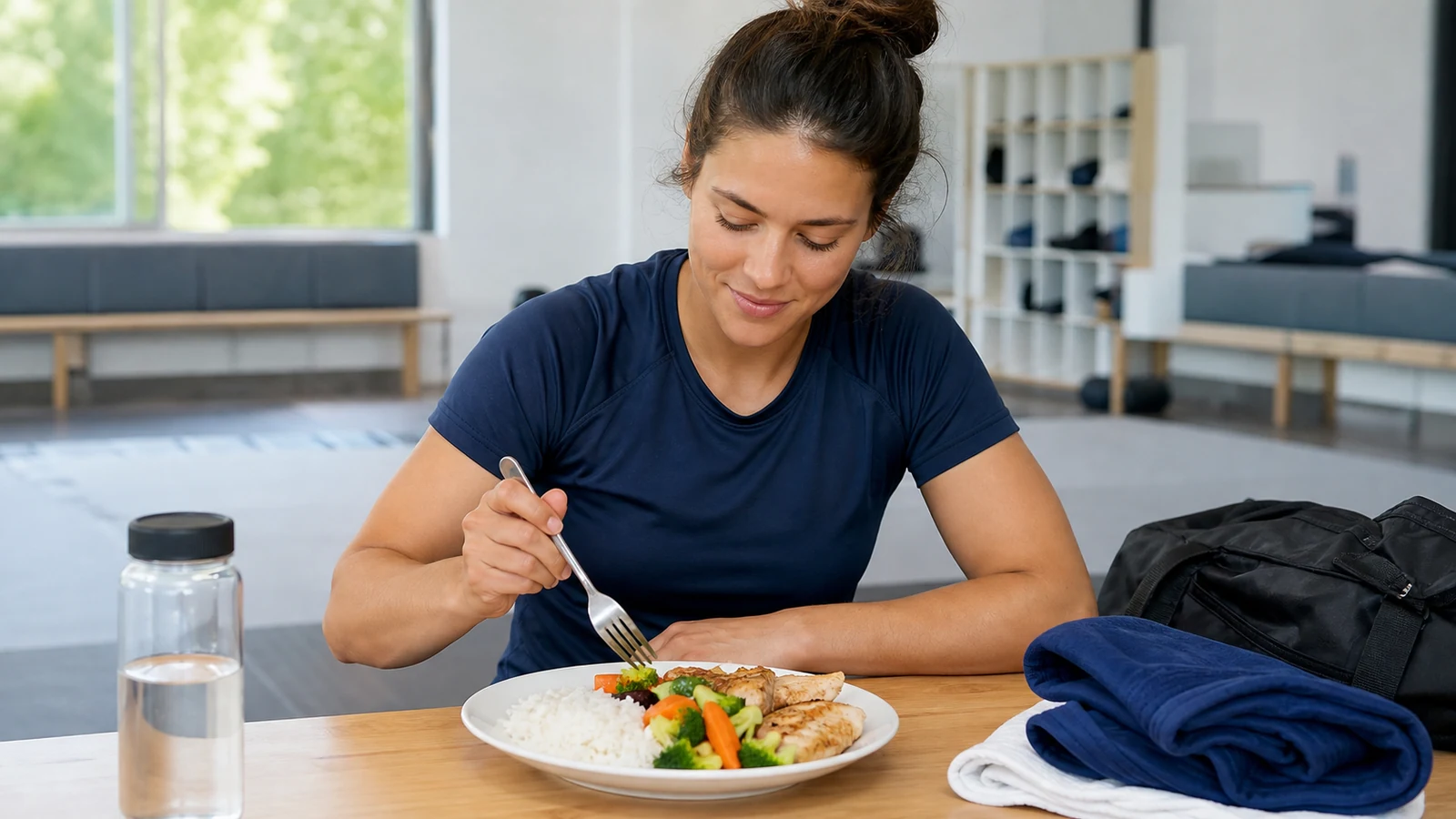
This is the kind of detail the video gestures at but does not fully explain, since it is coaching advice rather than a citation to the underlying research.
What This Research Does Not Prove
None of these studies prove that every combat athlete who cuts weight will get hurt.
Plenty of fighters cut weight for years without a documented injury.
The case study from Kasper and colleagues describes one extreme example, not an average outcome (Kasper et al., 2019).
The judo survey data shows what athletes report doing, not a controlled experiment on outcomes for each method (Artioli et al., 2010).
The research also does not hand fighters an exact number of pounds or a single safe percentage that applies to everyone.
Body size, sport, weigh in rules, and how much time sits between weigh in and competition all change the math.
The video’s specific numbers and timelines are the creator’s own coaching experience, not a citation to a study, so treat them as one coach’s approach rather than an established standard.
Common Mistakes Combat Athletes Make
The most common mistake is starting the cut too late.
A cut crammed into the final 24 to 48 hours forces an athlete toward water and food restriction instead of steady, planned fat loss.
A second mistake is treating rehydration and refeeding after weigh in as an afterthought.
Athletes who dehydrate hard and then eat and drink carelessly right before competing can still feel sick, cramp, or run low on energy even after the scale reads the target number.
A third mistake is cutting protein along with calories.
Dropping protein too low during a cut makes it harder to hold onto muscle while losing weight.
Our breakdown of Jay Cutler’s 1993 diet is a useful, if extreme, look at how much protein serious training can call for, though a combat athlete cutting weight needs a far more moderate and sustainable number than a bodybuilder building mass.
A fourth mistake is relying on sauna sessions or sweat suits as a main strategy instead of an occasional final adjustment.
Our article on sauna and heart health explains why heat stress alone puts real strain on the cardiovascular system, on top of whatever a fighter’s training already demands.
Who Should Check With a Doctor or Sports Dietitian First
Anyone new to competitive weight cutting should talk to a doctor or a sports dietitian before their first serious cut.
Younger athletes, including teenage wrestlers and judoka, deserve extra caution, since rapid weight loss during adolescence can interfere with normal growth and development.
Anyone with a history of disordered eating should be especially careful, since the culture of “making weight” can reinforce unhealthy patterns.
Athletes with kidney issues, heart conditions, or a history of fainting during a cut need medical clearance before repeating the practice.
Anyone who has ever needed IV fluids or medical attention after a weigh in should not treat that as normal and should get evaluated before their next cut.
A registered sports dietitian can also help set an individual, safer number instead of copying a plan built for someone else’s body and weight class.
A Safer Way to Plan Nutrition for Combat Sports and Lifting
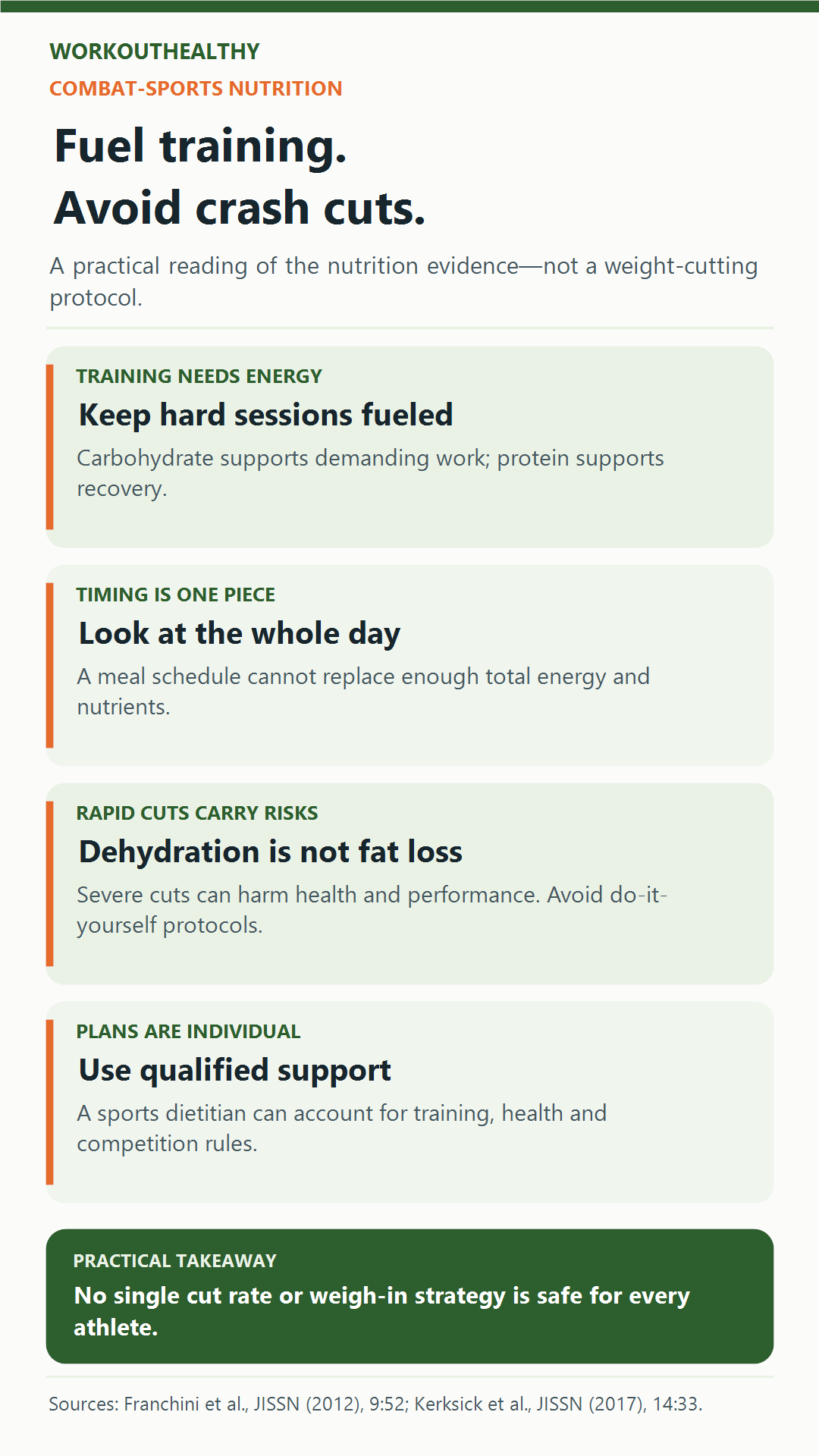
Any weight-class change should be planned with a registered sports dietitian and event medical team. This article does not establish a universal rate of loss, a dehydration method or a post-weigh-in rehydration schedule.
Keep protein relatively high through the cut, since higher protein intake helps protect lean mass during a calorie deficit (Kerksick et al., 2008).
Timing carbohydrate and protein intake around training sessions helps combat athletes recover between two demanding disciplines instead of running both systems on empty.
Use carbohydrate strategically around hard training sessions, since grappling and striking practice both burn through glycogen fast, and running low on it makes technical sessions sloppy.
Do not use a blog timetable to manipulate water or sodium before a weigh-in. In a published MMA case study, extreme final-day dehydration was accompanied by high blood sodium and acute kidney injury. One case does not quantify risk for every athlete; individual weight-class and recovery decisions belong with qualified professionals.
Adjust resistance training around camp demands with a qualified coach and sports dietitian. Training volume and recovery needs vary with the athlete and the phase of preparation.
Strength work is not just about the scale either, since our piece on whether lifting weights keeps your brain young looks at some of the other reasons combat athletes keep resistance training in their program year round.
Track body weight, sleep, and how training sessions feel, since a cut that is going badly usually shows up in performance before it shows up as a medical event.
If two or three of those markers slide at once, that is the signal to ease off the cut rather than push through it.
Watch the video
Want more like this? Subscribe to WorkoutHealthy Insider for practical explanations behind popular fitness claims.
References
Artioli, G. G., Gualano, B., Franchini, E., Scagliusi, F. B., Takesian, M., Fuchs, M., & Lancha, A. H. (2010). Prevalence, magnitude, and methods of rapid weight loss among judo competitors. Medicine & Science in Sports & Exercise, 42(3), 436 to 442. https://doi.org/10.1249/MSS.0b013e3181ba8055
Franchini, E., Brito, C. J., & Artioli, G. G. (2012). Weight loss in combat sports: physiological, psychological and performance effects. Journal of the International Society of Sports Nutrition, 9(1), 52. https://doi.org/10.1186/1550-2783-9-52
Kasper, A. M., Crighton, B., Langan-Evans, C., Riley, P., Sharma, A., Close, G. L., & Morton, J. P. (2019). Case study: Extreme weight making causes relative energy deficiency, dehydration, and acute kidney injury in a male mixed martial arts athlete. International Journal of Sport Nutrition and Exercise Metabolism, 29(3), 331 to 338. https://doi.org/10.1123/ijsnem.2018-0029
Kerksick, C., Harvey, T., Stout, J., Campbell, B., Wilborn, C., Kreider, R., Kalman, D., Ziegenfuss, T., Lopez, H., Landis, J., Ivy, J. L., & Antonio, J. (2008). International Society of Sports Nutrition position stand: Nutrient timing. Journal of the International Society of Sports Nutrition, 5(1), 17. https://doi.org/10.1186/1550-2783-5-17
This article is for general information only and is not medical advice. If you have an injury, ongoing pain, or a medical condition, talk to a doctor or physical therapist before you change how you train or eat.