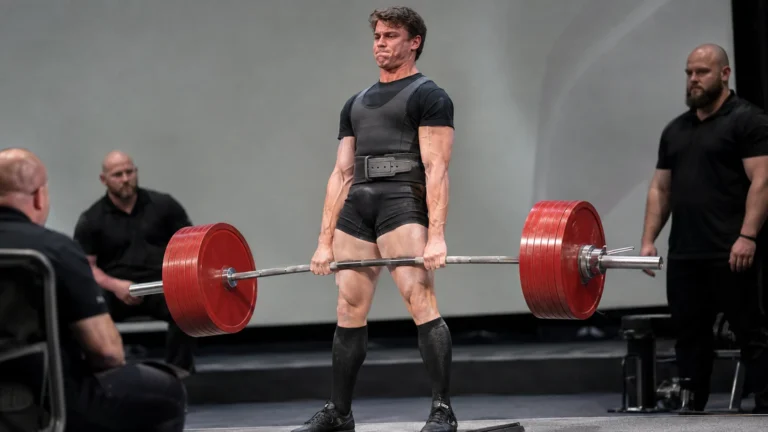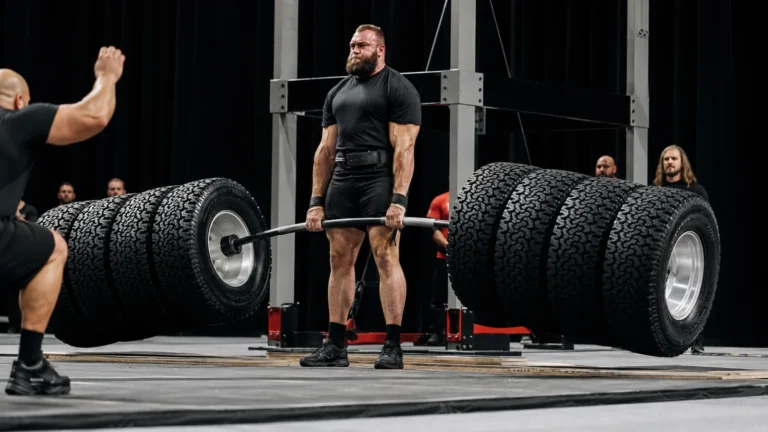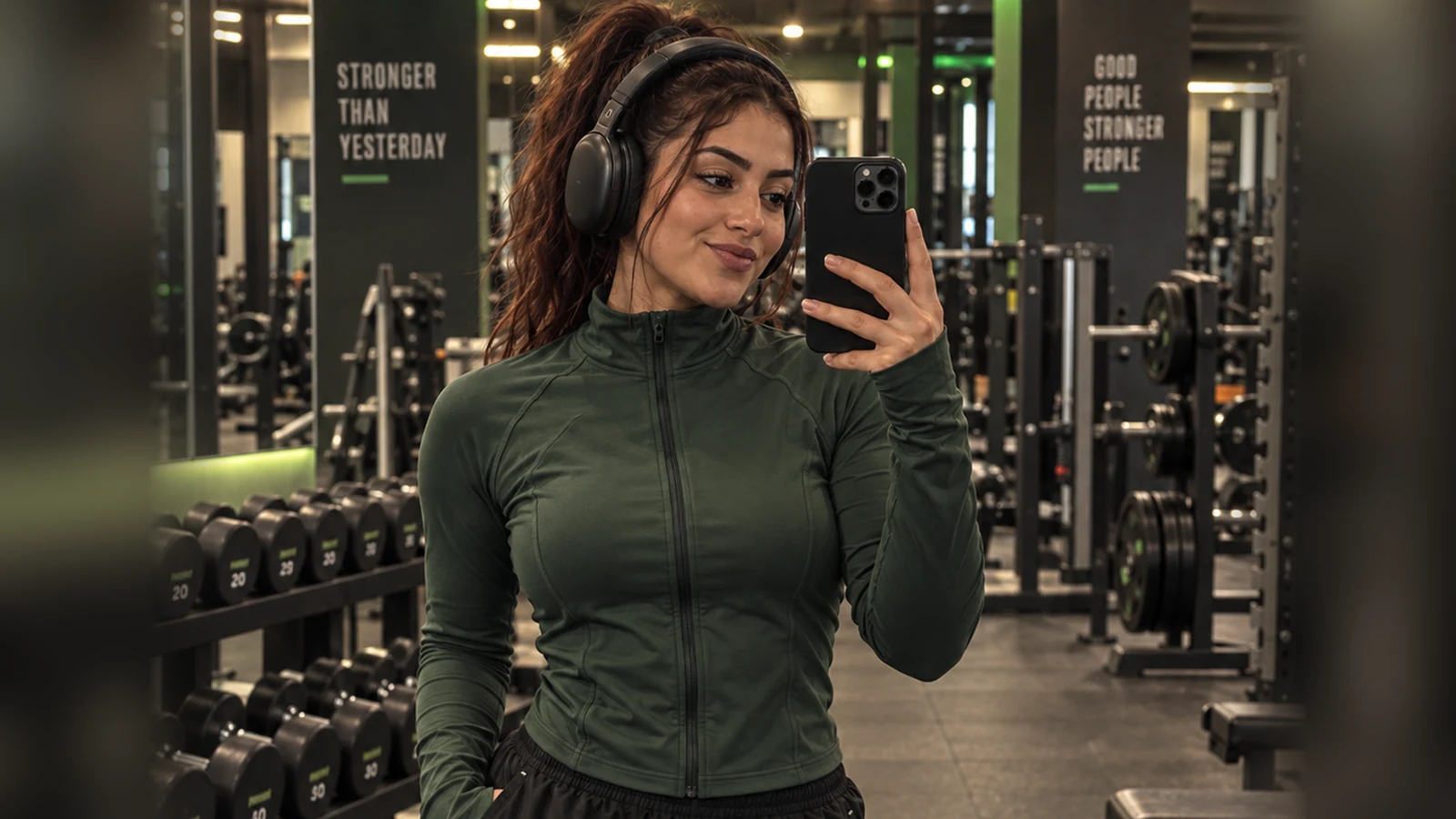

Good gym etiquette keeps a shared workout moving. At a crowded gym, use the equipment you need, tell others when you will be done, leave walkways and camera frames clear, and return the station ready for the next person.
The ten habits below all have a practical fix. You can be considerate without cutting a planned rest period or letting a stranger interrupt a lift.
Gym etiquette when the floor is crowded
This is an editorial decision guide, not a universal gym rulebook. Follow the posted policy at your facility, especially for filming, cleaning supplies, chalk, and dropping weights.
| What you see | What to do | Words you can use |
|---|---|---|
| Someone rests at the machine you need. | Ask how many sets remain, then ask to alternate if changing the setup is practical. | “How many sets do you have left? Could I work in during your rest?” |
| A circuit seems to occupy several stations. | Ask whether a station is in use before moving equipment. Offer a single-station swap when you are the one running a circuit. | “Are you still using this bench, or may I take my set here?” |
| A tripod points toward your space. | Ask for a different angle or bring a privacy concern to staff if the policy is unclear. | “Could you angle that away from me while I finish?” |
| Plates or dumbbells are left out. | Return your own gear. Ask staff for help with a heavy loaded bar rather than lifting beyond your ability. | “Could someone help clear this station?” |
| A person stands in front of the rack or in your path. | Wait until their set ends, then ask for access without walking through the lift. | “Could I get to the dumbbells when you are finished?” |
When a request is refused, the station is hard to swap, or someone becomes aggressive, choose another exercise or ask staff to handle it. The aim is a usable floor, not a debate with another member.
Ten gym etiquette habits that cost other people time
The time cost is an access problem, not a measured number of minutes. These ten cases preserve the original article’s focus on what the next person needs to do a set.
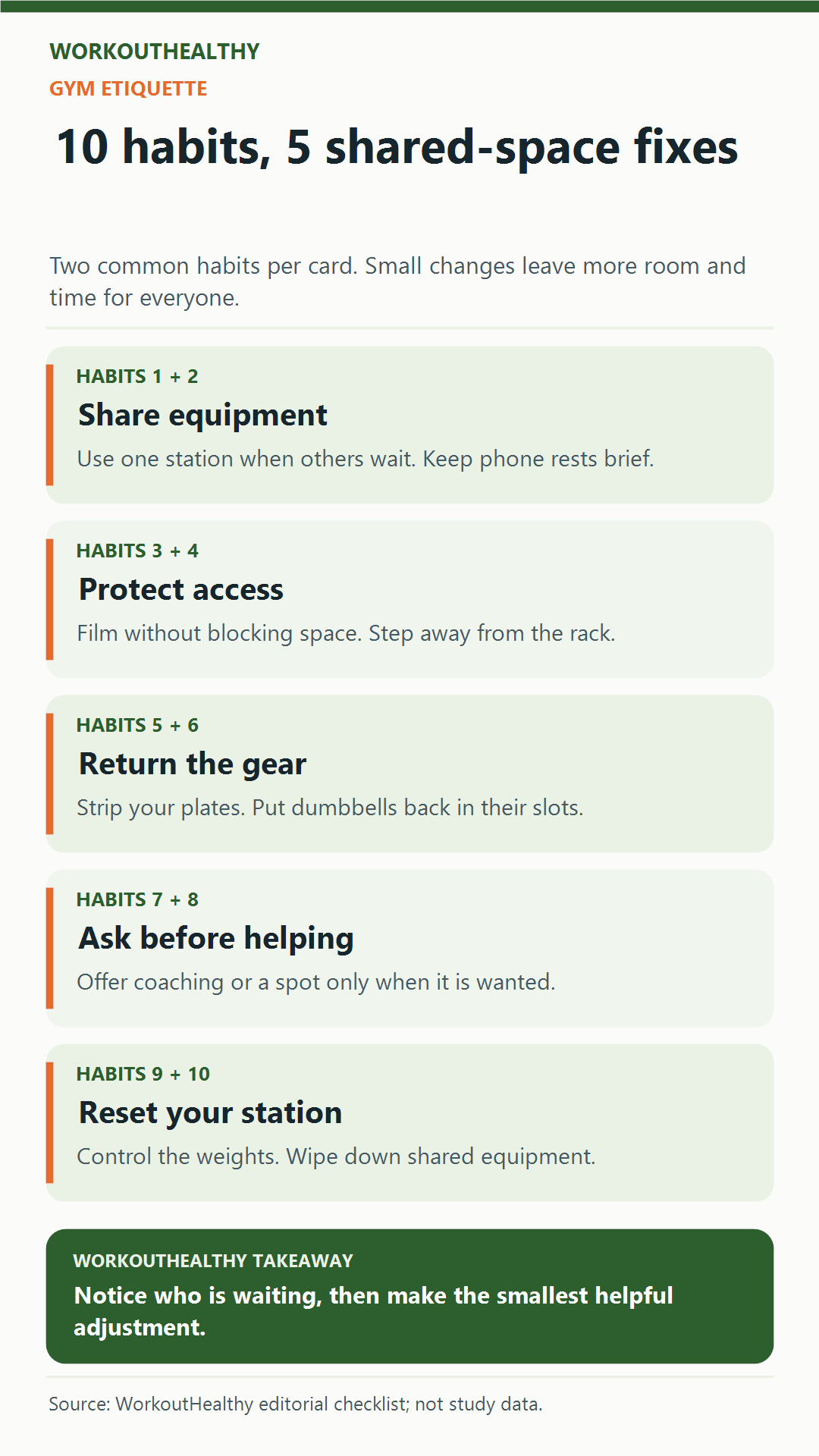
1. Holding several stations at once
A bench, cable stack, and pair of dumbbells may make a useful circuit for one person. During a rush, that arrangement can leave three people unsure whether any of the equipment is free.
Build the circuit around one station when the floor is busy, or release an unused station between rounds. If someone asks, say exactly which item you are using and whether they can take a turn.
2. Turning a planned rest into an open-ended phone break
Rest between challenging sets has a training purpose. The etiquette issue is losing track of time while another person cannot tell whether the machine is occupied.
Start your rest timer when the set ends, log your set if needed, and keep your bag off the next person’s seat. Ask whether someone wants to alternate before you start another set.
3. Filming without checking the frame
A video can help you review your own technique, but a tripod can block a walkway and capture people who did not agree to be filmed. Some gyms limit filming entirely, so check the posted rules first.
Keep the phone close to your station, frame yourself tightly, and stop recording if you cannot avoid including others. If someone asks not to be in the shot, respect that request without making them negotiate on camera.
4. Training directly in front of the dumbbell rack
Standing against the rack to lift or check a mirror makes every weight behind you harder to reach. Take the pair you need to an open spot where people can pass safely.
Look for a clear lane before starting a set. If you need to pass another lifter, wait until the set ends rather than walking through their working space.
5. Leaving plates on a bar or machine
The next member should not have to guess whether a loaded bar is still in use. Unload what you loaded, return the plates to their marked places, and clear the station when you finish.
If a plate is too heavy for you to move safely, ask staff for help. It is better to ask than to strain to meet an etiquette rule.
6. Leaving dumbbells on the floor
An abandoned pair is unavailable to someone looking at the rack and may sit in a walking path. Return each dumbbell to its matching place after your final set.
Do not move a pair beside someone who is actively using it. A quick question can distinguish an abandoned weight from a working set.
7. Giving coaching nobody requested
Advice from a stranger can interrupt a session, and a quick glance rarely tells you the person’s goal or constraints. Let people train without commentary about their form, body, or load.
If you see an immediate danger, alert staff or ask a brief safety question. Ongoing coaching belongs with the person and a qualified professional they choose.
8. Spotting without an invitation
Unexpected hands on a bar can change the lifter’s movement. Ask before a set whether a spot is wanted and agree on the cue for help.
Do not grab a bar mid-repetition just because the lift looks slow. For an urgent threat, prioritize immediate safety and call for help.
9. Dropping or slamming equipment outside the facility’s rules
Different gyms have different floors, lifts, and noise policies. Follow the rule for the area you are using, and lower equipment with control when you can do so safely.
Do not try to save an unsafe lift to avoid noise. Step away, use the available safety equipment, and ask staff about the correct area for a lift that requires a drop.
10. Walking away without resetting the station
Wipe shared contact surfaces as your gym directs, then take your towel and bottle with you. Cleaning products and instructions vary, so use the supplies provided by the facility.
Resetting means more than wiping a bench: adjust the seat if needed, return attachments, and leave access clear. That makes the station genuinely ready for the next member.
What to say when you need a machine
A direct question is usually clearer than hovering. Wait until the person finishes a set, then ask how many sets remain before you ask to work in.
- To ask: “How many sets do you have left? If it is easy to switch the setting, could I work in?”
- To offer: “I have two sets left and rest between them. You are welcome to take a turn if the setup works for you.”
- To decline a difficult swap: “I am using a different setup that takes time to change. I have one set left, then it is yours.”
- To resolve a privacy issue: “I would rather not be in the video. Could you move the camera or wait until I finish?”
Working in is easier when both people use similar settings and can change them safely. It may be impractical when a machine requires lengthy adjustments, plates must be moved repeatedly, or the gym’s policy limits sharing.
You can rest properly and still share space
Do not rush a hard set to satisfy a stranger. In a small randomized study of resistance-trained men, three-minute rests led to greater strength and muscle-thickness gains than one-minute rests under that specific program; it did not test gym etiquette.
Tell the next person how many sets remain, use a timer for the rest you planned, and offer to alternate when the equipment can be reset easily. If working in would disrupt either person’s setup or safety, give a clear finish estimate and let them choose another station.
Example: You have three squat sets left with about three minutes of rest between them. Say so, keep the rack clear during rest, and consider sharing only if the other lifter can change the bar safely without turning every interval into a plate-moving project.
A gym rule is different from your preference
Reracking weights, cleaning equipment, filming, chalk, and dropping a bar may be covered by written policies. Read those rules and ask staff when the wording is unclear.
A long rest, an unfamiliar exercise, or clothing you dislike is not automatically a rule violation. Correcting strangers over personal preferences can make a gym less welcoming.
If you have a specific access or safety problem, ask once in plain language. Bring repeated conduct, harassment, blocked exits, or a policy dispute to staff instead of filming or confronting someone.
A first-visit gym etiquette checklist
- Read the facility’s posted rules and locate its cleaning supplies.
- Use one station at a time when the floor is busy, or ask before sharing.
- Keep bags, cameras, and exercise space out of walkways.
- Wait for a set to end before asking a question or passing close by.
- Return the weights and attachments you used.
- Clean the station as your gym directs.
- Ask staff when a policy or piece of equipment is unfamiliar.
You do not need to know every unwritten custom before your first workout. Notice who needs access, communicate briefly, and leave each station ready for the next person.
References
- Schoenfeld BJ, Pope ZK, Benik FM, et al. Longer interset rest periods enhance muscle strength and hypertrophy in resistance-trained men. Journal of Strength and Conditioning Research. 2016;30(7):1805 to 1812. doi:10.1519/JSC.0000000000001272.
This article offers general shared-space guidance. Follow your facility’s rules, and ask a qualified trainer or healthcare professional when you need advice about a lift, injury, or medical condition.