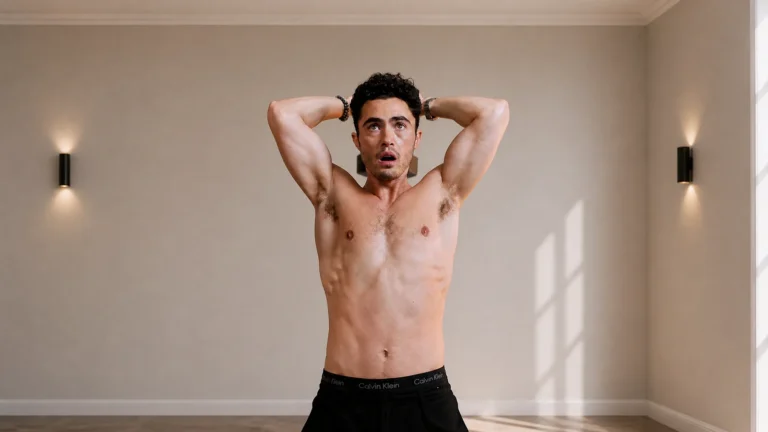

Russel Orhii’s 372.5-kilogram squat was a real training lift and a major personal record.
It was also not an official world record, because it happened in a gym rather than on a sanctioned competition platform.
That distinction does not make the lift less impressive.
It explains what the video proves, what it cannot certify, and why the 821.2-pound headline needs context.
A huge gym lift can be authentic and still fall outside the official record book.
What the 821.2-Pound Lift Actually Was
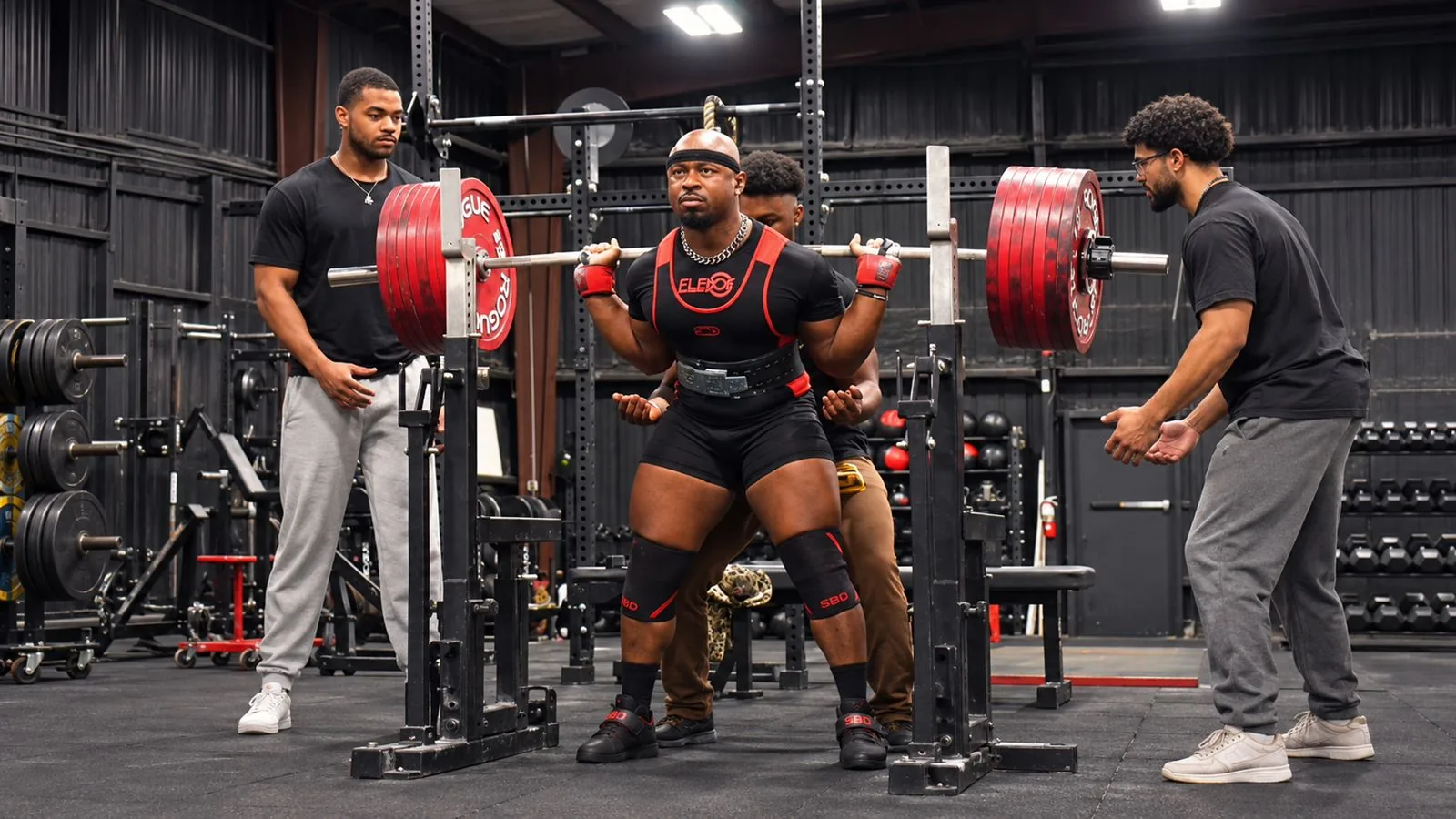
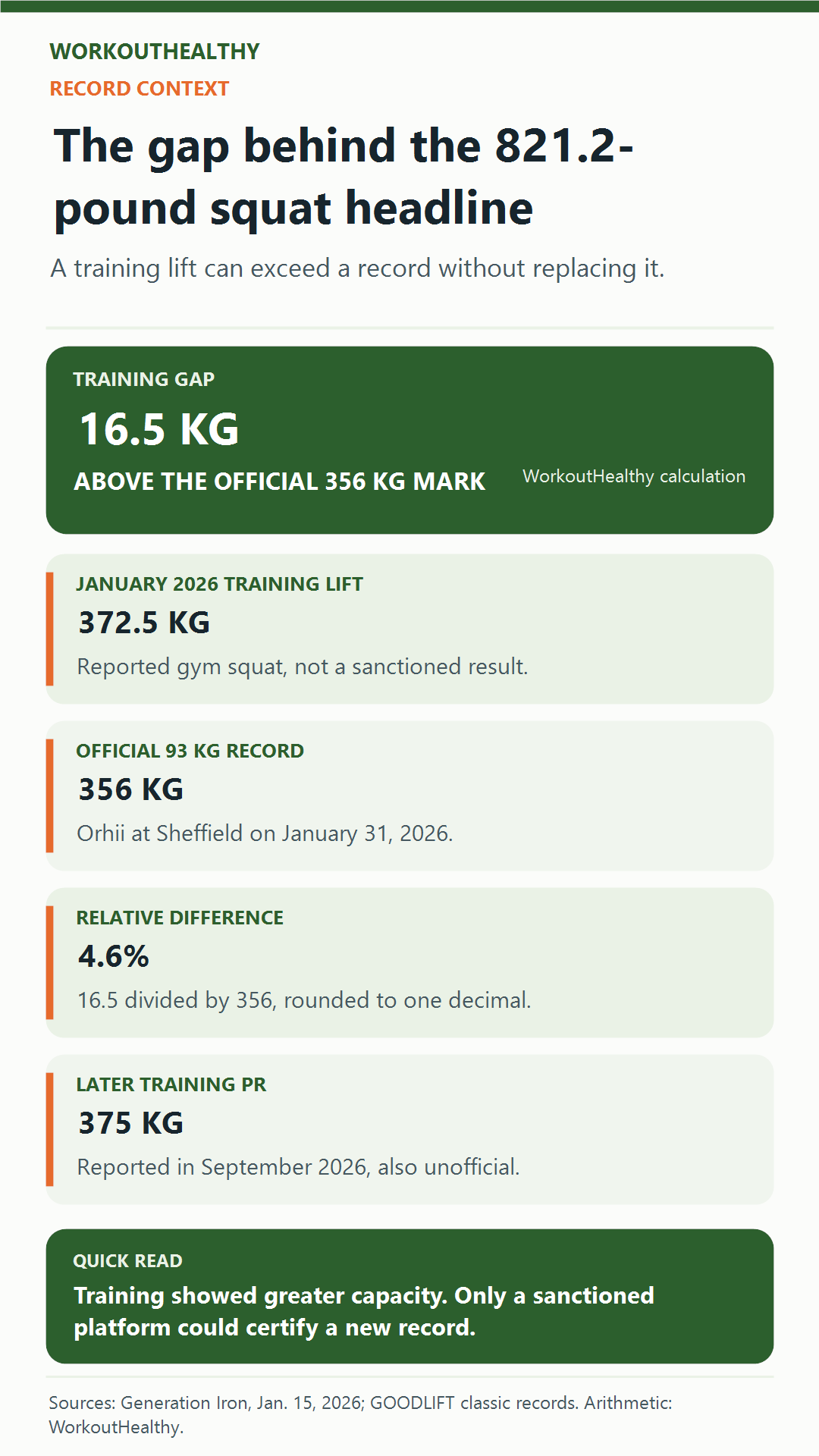
Orhii squatted 372.5 kilograms, or 821.2 pounds, during a training session in January 2026.
Reporting tied to his original social post identified the lift as a personal record and showed him using a belt, knee sleeves, and wrist wraps.
The bar moved through a full training repetition, and Orhii described the attempt as a step toward making a bigger result official at his next meet.
The source footage therefore documents a specific gym performance.
It does not document a panel of referees, an official weigh-in, calibrated meet conditions, or a competition result sheet.
Why It Was Unofficial
Powerlifting records are tied to a federation, weight class, equipment category, judging standard, and sanctioned event.
A training lift happens outside that system, even when the athlete is an established champion and the weight is heavier than the listed record.
That is why “unofficial world record” is descriptive shorthand rather than a record-book status.
The honest wording is simple: Orhii lifted more in training than the official 93-kilogram IPF squat record he held at that point.
Our earlier look at Orhii’s 338-kilogram Sheffield squat shows what changes when the lift occurs under meet rules and receives official judging.
How It Compared With His Competition Record
Before the 372.5-kilogram gym lift, Orhii had set a 355.5-kilogram 93-kilogram class world record at the 2025 NAPF North American Championships.
He then raised the official mark to 356 kilograms at Sheffield on January 31, 2026, according to GOODLIFT’s current classic records.
His official profile also lists a 338-kilogram world record in the 83-kilogram class, which remains a separate record because powerlifting classes are not interchangeable.
That progression fits the longer pattern covered in our history of Orhii’s squat records across two weight classes.
The 16.5-Kilogram Gap Behind the Headline
The useful comparison is not 372.5 kilograms against every squat ever performed.
It is 372.5 kilograms against Orhii’s official 356-kilogram record in the same 93-kilogram IPF class.
The arithmetic is 372.5 minus 356, which equals a 16.5-kilogram gap.
Dividing 16.5 by 356 gives about 4.6 percent.
That is a large difference at an elite level, but it remains a training-to-competition comparison rather than a new official record.
Russel Orhii’s 372.5-Kilogram Training Squat
The reel below is the exact training attempt at the center of this article.
Why Gym Lifts and Meet Lifts Differ
A meet adds constraints that a training room does not reproduce perfectly.
The athlete must make weight, follow commands, hit accepted depth, wait for the rack signal, and receive enough white lights for the attempt to count.
Meet timing also limits when the attempt happens and how much recovery separates it from earlier squats.
Training gives the lifter more control over the schedule, warm-up, equipment setup, camera position, and decision to repeat or stop.
Neither setting is fake.
They answer different questions about readiness and certified performance.
What the Video Can and Cannot Prove
The video can show that Orhii moved the loaded bar through the recorded attempt.
It can also show his stance, visible equipment, speed, control, and reaction after the rep.
A single camera angle cannot replace three referees or certify the exact conditions required by a federation.
That is why the footage belongs beside the record book, not inside it.
Training shows capacity. Competition certifies the result.
What Lifters Can Take From It
The practical lesson is not to copy Orhii’s load or chase a record-sized single.
It is to treat a gym personal record as information about current readiness.
Record the setup, depth, speed, and recovery cost, then compare those details with the standard that matters for your next event.
A lifter who competes should practice the commands and equipment rules that will decide whether the attempt counts.
A lifter who does not compete can still use clear technique standards, spotters, safety arms, and conservative loading decisions.
For another example of why event rules matter, see our breakdown of Amanda Lawrence’s Sheffield records and final placing.
The Training Number Moved Again
The 372.5-kilogram lift was not the end of Orhii’s progression.
In September 2026, he posted a 375-kilogram training squat, or 826.7 pounds, for another personal record.
That later lift is a useful reminder that training headlines can age quickly.
The official record list and the athlete’s latest competition result remain the best sources for what is certified now.
Follow WorkoutHealthy Insider for fact-checked strength records, competition context, and practical training lessons without the viral shortcuts.