
Hudson Williams went from working as a server at a restaurant to winning a Canadian Screen Award in the space of a few years.
He is a Canadian actor born in Kelowna, British Columbia, with mixed Korean and British and Dutch heritage.
Williams trained in dance, music, and theatre as a teenager before earning an acting certificate from Langara College in 2020.
He worked at The Old Spaghetti Factory while pursuing small roles and directing short films on the side.
That changed when he landed the lead role of Shane Hollander in the sports romance series Heated Rivalry.
The show premiered on Crave in late 2025 and became the platform’s most watched original series.
Williams won the Canadian Screen Award for Best Leading Performance in a Drama Series for the role, making him the youngest actor to win that category.
The show follows two rival professional hockey players, played by Williams and co-star Connor Storrie, who maintain a secret relationship while competing for opposing teams.
It also stars François Arnaud as a third hockey player, one of the many athletic roles the series is built around.
The show is based on a novel and airs internationally on HBO Max alongside its Canadian run on Crave.
An Athlete Before He Was an Actor
Williams did not start his physical training for a hockey role.
He played basketball on his high school team and trained in mixed martial arts during his youth.
That athletic background gave him a real physical foundation before Heated Rivalry ever asked him to look and move like a professional hockey player.
Playing Shane Hollander, the captain of a fictional team called the Montreal Metros, meant building a physique that could believably carry a full contact sport on screen.
For season two of the show, Williams has talked openly about one specific training goal.
What Williams Has Said About His Training Goal
Williams was direct about wanting a bigger, stronger glute area for his physical transformation heading into season two.
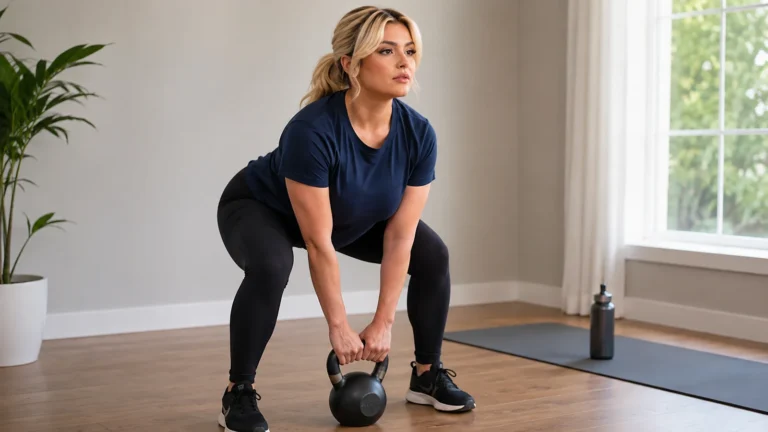
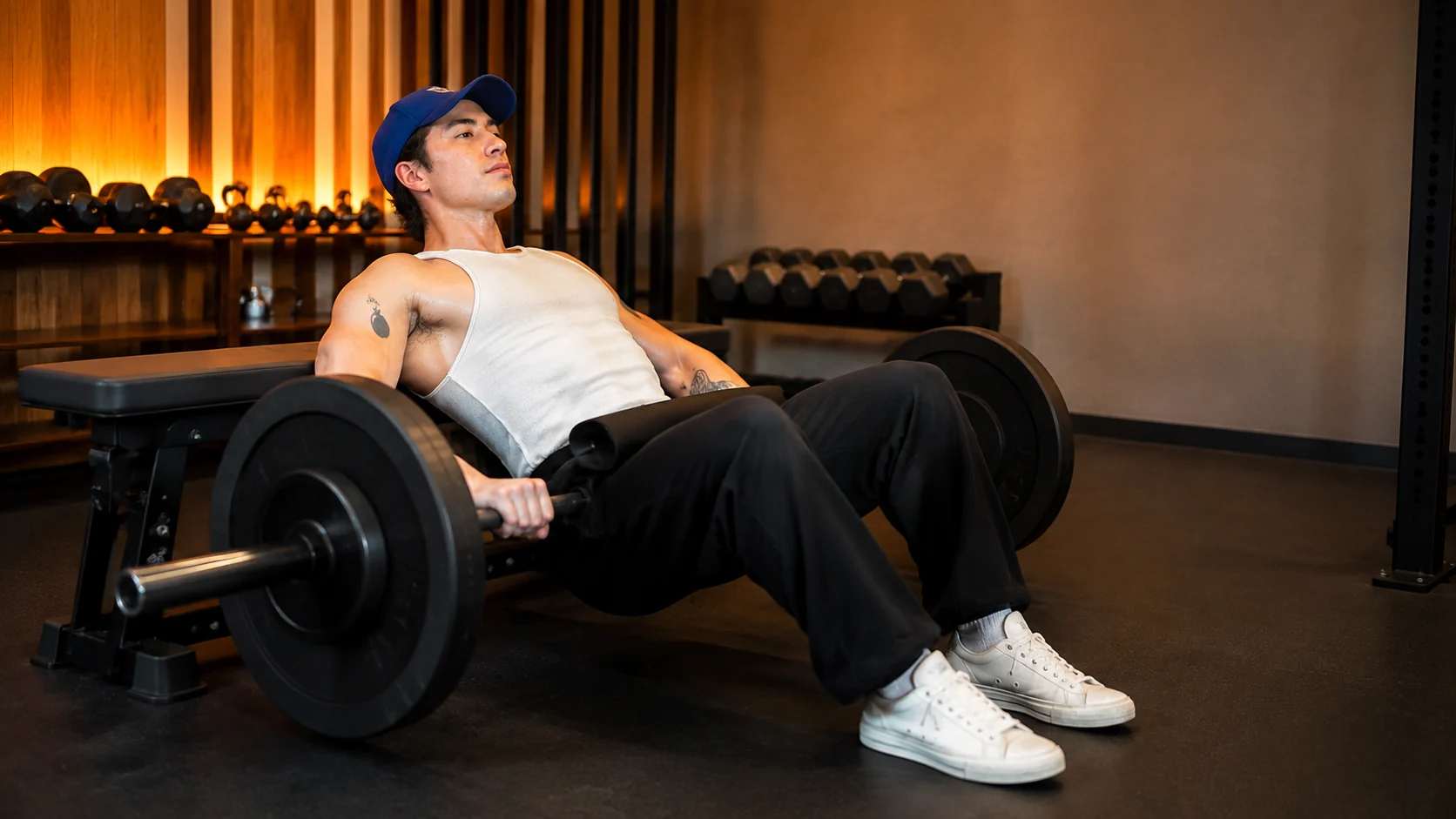
He has described a full body routine that leans heavily on hip thrusts, split squats, and glute bridges.
The goal was to build strength and size in an area that matters both for how a hockey player looks on camera and for how the position actually performs on the ice.
His openness about the goal stood out because glute training is often talked about in appearance focused terms, especially for men.
Glute training is not just a trend. It is functional work that supports the hips and lower back too.
Direct, word for word quotes from Williams about the specific reasoning behind his routine are limited in public reporting, so this article treats the described exercise selection and stated goal as the verified core of his approach.
What the Research Says About Glute Training
The exercises Williams describes line up closely with what exercise scientists have found about which movements actually activate the glute muscles the most.
A 2015 study published in the Journal of Applied Biomechanics compared muscle activity in the back squat and the barbell hip thrust.
Researchers Bret Contreras, Andrew Vigotsky, Brad Schoenfeld, Chris Beardsley, and John Cronin led that study.
They found that the hip thrust produced substantially more gluteus maximus activation than the back squat at similar relative loads.
Upper glute activity was roughly 70 percent during the hip thrust, compared to roughly 30 percent during the squat, in that study’s measurements.
That is a meaningful gap, and it explains why hip thrusts specifically, rather than squats alone, show up so often in glute focused programs like the one Williams describes.
Glute strength is not just about appearance.
A 2002 study published in Medicine and Science in Sports and Exercise looked at hip muscle strength and low back pain in athletes.
Researchers Scott Nadler and colleagues found that athletes with weaker hip extensor muscles, including the glutes, were more likely to experience low back pain.
The study also found that a core and hip strengthening program reduced the rate of low back injuries in the athletes it followed.
That research supports the idea in the caption that glute training is functional work, not just a trend, since the same muscles that shape a physique also help stabilize the hips and lower back during athletic movement.
What This Research Does Not Prove
Neither study followed Williams personally, and neither one is about acting or television production.
The hip thrust study measured muscle activity in a lab setting, using electromyography sensors on a small group of participants.
It does not prove that hip thrusts alone will transform someone’s physique without a broader, well rounded training program.
The low back pain study found an association between weak hip muscles and injury risk, not a guarantee that strong glutes prevent all back pain.
Other factors, including core strength, flexibility, and overall training load, also play a role in back health.
It is also worth noting that building visible muscle size takes longer than building the strength to perform an exercise well.
A person can get much stronger at the hip thrust in a matter of weeks while still needing months to see a noticeable change in muscle size.
How This Compares to General Guidance
Strength coaches generally recommend that any well rounded lower body program include direct glute work, not just squats and lunges.
The glutes are the largest and one of the strongest muscle groups in the body, and they play a central role in hip extension, sprinting, jumping, and skating style movements.
An athlete preparing to look convincing as a hockey player on screen has good reason to prioritize this muscle group specifically.
Ice hockey depends heavily on powerful stride extension, which comes largely from the glutes and hamstrings working together, the same kind of explosive hip drive covered in this piece on whether box jumps can build muscle.
Williams’ routine, built around hip thrusts, split squats, and glute bridges, reflects standard, well supported programming rather than an unusual or extreme approach.
General fitness guidance for adults also recommends at least two resistance training sessions a week that cover all major muscle groups.
A dedicated glute day fits comfortably inside that broader recommendation without requiring an unusual amount of extra gym time.
Common Mistakes People Make With Glute Training
One common mistake is relying only on squats and assuming they cover glute development on their own.
Research shows squats do activate the glutes, but less directly than exercises like the hip thrust.
Another mistake is using too much weight on hip thrusts before the hips can fully extend with good control.
Partial range of motion reduces how much the glutes actually get worked, even if the weight on the bar looks impressive.
Many people also skip a proper warm up before heavy hip thrust or glute bridge work.
The glutes can be slow to activate if they have not been warmed up, which shifts more of the work onto the lower back and hamstrings instead.
Neglecting single leg work is another frequent gap in many lower body programs.
Split squats and similar single leg exercises help correct strength imbalances between the left and right side, which matters for sports that involve uneven, repetitive movement like skating.
Finally, some people train glutes hard without adjusting anything else in their program.
A muscle group that is growing and getting stronger needs enough recovery time and enough overall training volume elsewhere to support balanced progress.
Ignoring the rest of the lower body while chasing one specific goal can leave the quads, hamstrings, and calves noticeably behind over time.
How to Build a Glute Focused Routine
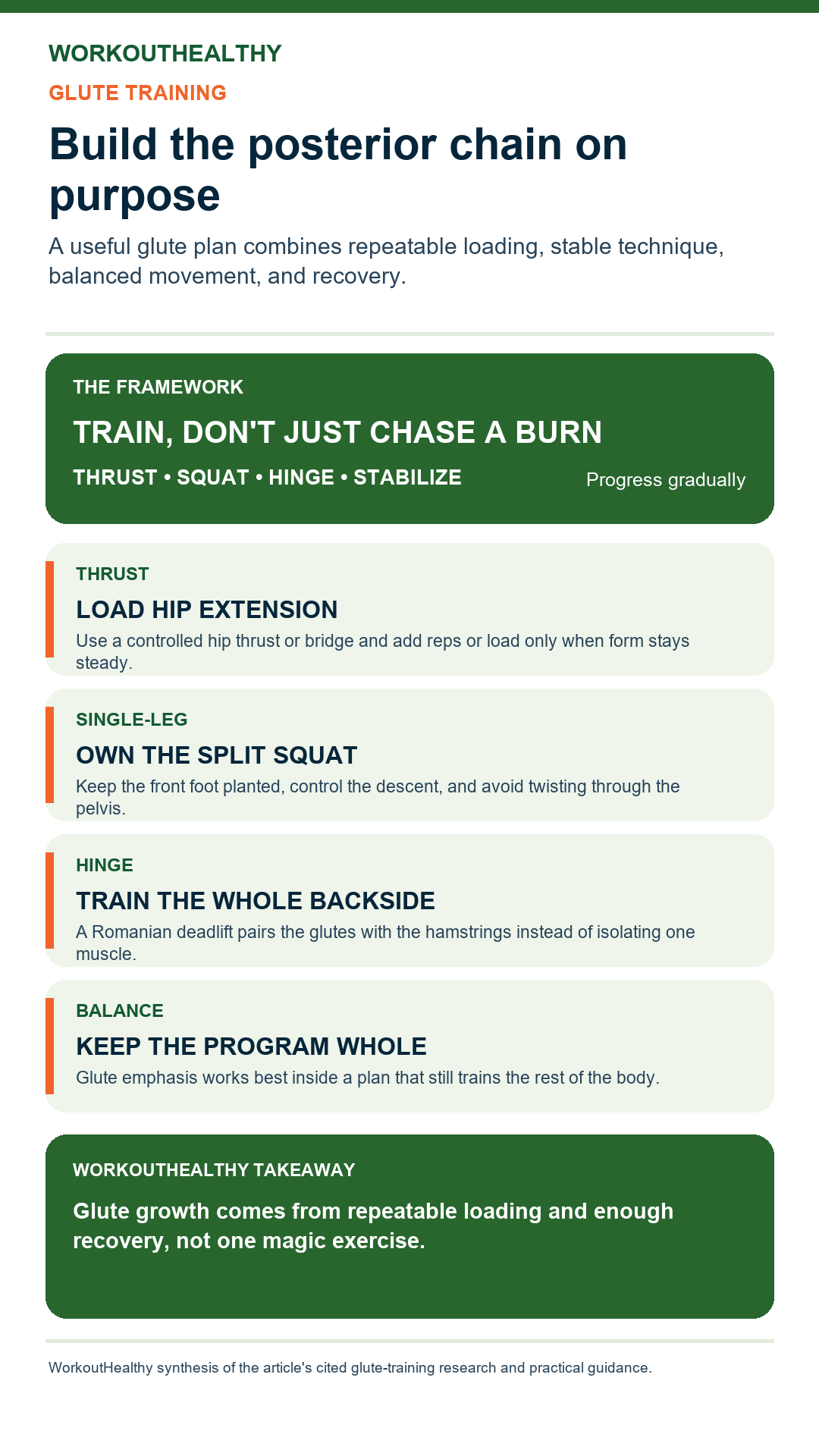
Start with the barbell hip thrust as the main exercise, done once or twice a week.
Focus on a full range of motion, with a strong squeeze at the top of each rep, before adding significant weight.
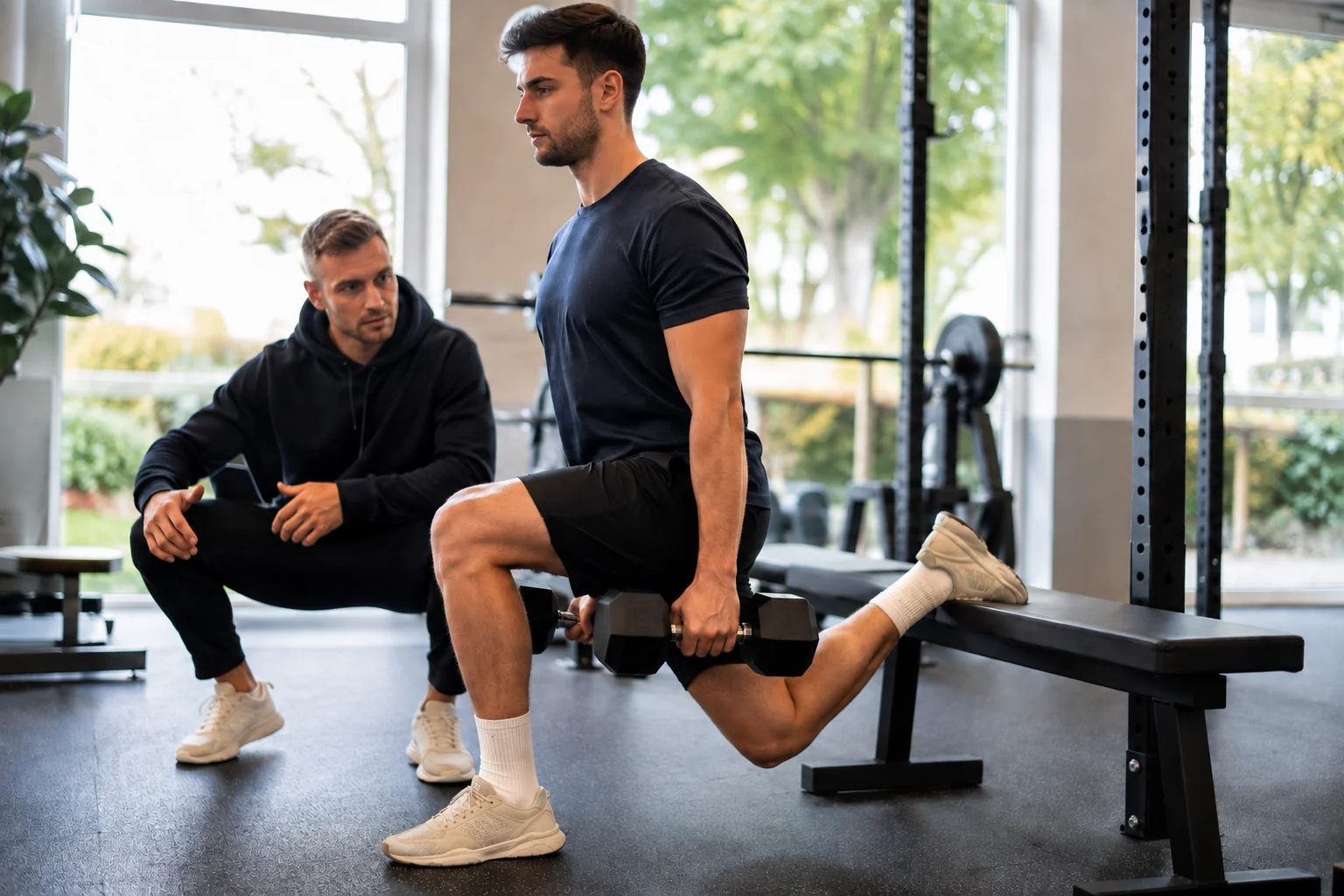
Add split squats as a second exercise to build single leg strength and stability.
Three to four sets of eight to ten reps per leg is a reasonable starting point.
Include glute bridges as a lighter, more frequent accessory movement.
They can be done on non heavy training days to keep the glutes active without adding significant fatigue.
Warm up the hips specifically before heavy sessions.
Bodyweight bridges, band walks, or light single leg work all help activate the glutes before loading them heavily.
Pair glute work with regular lower back and core training.
A strong, well supported lower back allows the glutes to do more of the work safely during heavy lifts.
Track your hip thrust weight over time the same way you would track a squat or deadlift.
Progressive overload applies to this exercise just as much as it does to any other major lift.
Give yourself two full rest days between hard glute sessions if the rest of your training week is also demanding.
Muscle growth happens during recovery, not during the workout itself, so adequate rest matters as much as the exercises chosen.
Reassess your routine every eight to twelve weeks and adjust exercises, sets, or reps based on what is and is not producing progress.
A coach or trainer can speed this process up, and this guide on whether you need a personal trainer walks through how to decide.
Small, steady adjustments over months tend to beat dramatic changes made every few weeks, since the body needs time to actually respond to a new stimulus.
References
Contreras, B., Vigotsky, A. D., Schoenfeld, B. J., Beardsley, C., & Cronin, J. (2015). A comparison of gluteus maximus, biceps femoris, and vastus lateralis electromyographic activity in the back squat and barbell hip thrust exercises. Journal of Applied Biomechanics, 31(6), 452-458.
Nadler, S. F., Malanga, G. A., Bartoli, L. A., Feinberg, J. H., Prybicien, M., & DePrice, M. (2002). Hip muscle imbalance and low back pain in athletes: Influence of core strengthening. Medicine & Science in Sports & Exercise, 34(1), 9-16.
This article is for general educational purposes only.
It is not personalized fitness or medical advice. Talk with a doctor before starting a new strength training program, especially if you have a history of hip, back, or joint pain.