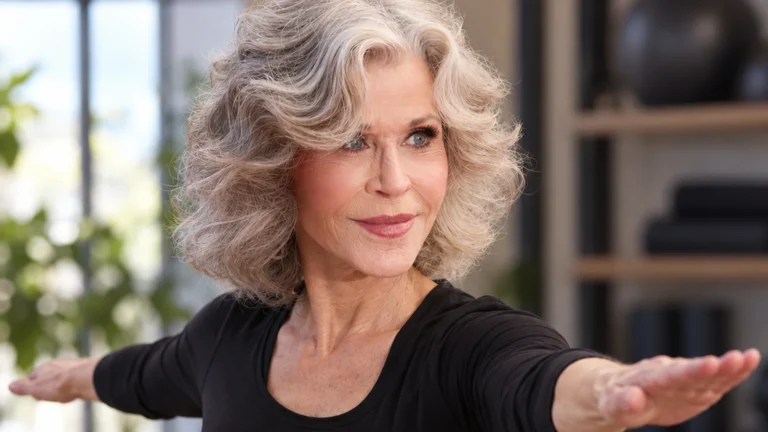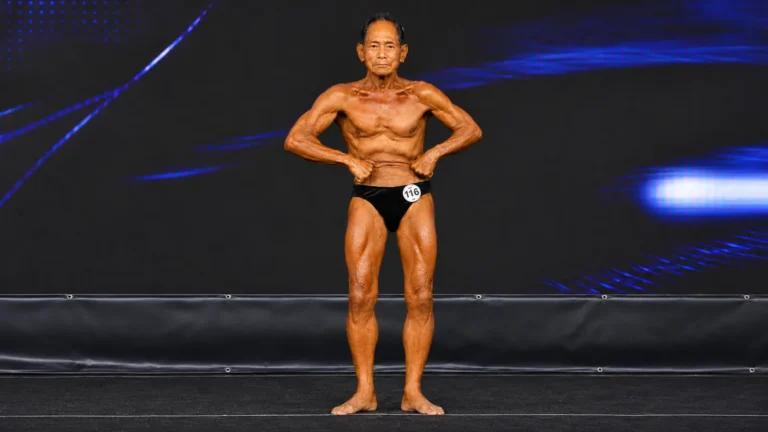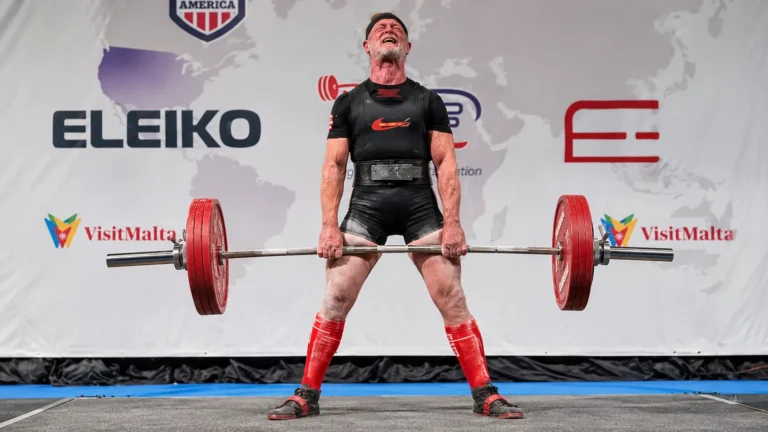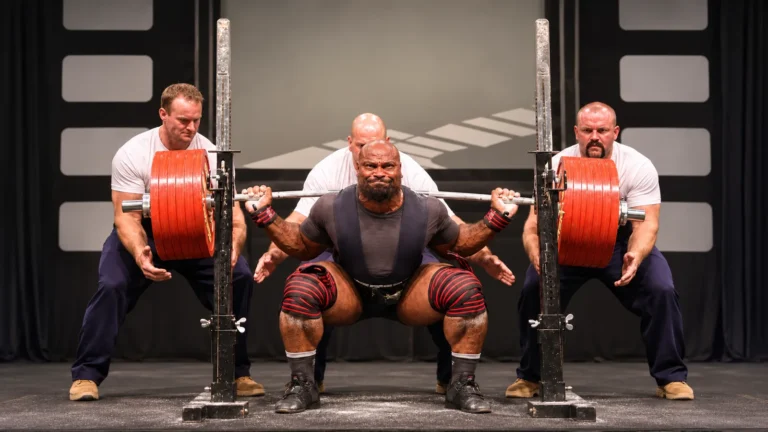

Illustration context: The images accompany this discussion; they do not identify a study participant or demonstrate a measured sleep, workout or metabolic outcome.
Should you work out if you are sleep deprived? After one short night, the useful choice depends on how alert you feel and what your planned session demands.
Consider rest, easy movement or a modified familiar workout using the chooser below. It is an editorial decision aid, not a tested exercise-safety rule.
If you feel faint, unusually unsteady, ill, or unable to focus on the movement, skip a demanding session and address the symptom. If short sleep keeps happening, make recovery a priority and discuss persistent insomnia or daytime sleepiness with a clinician.
Read the study sequence below before using its findings to answer today’s training question.
Choose Today’s Session
The chooser is editorial judgment, not a validated score or universal sleep-hour safety cutoff.
| What is happening today? | Option to consider | Why |
|---|---|---|
| You are very drowsy, dizzy, unsteady, sick, or struggling to stay alert. | Rest and address symptoms rather than forcing hard training. | A demanding session needs attention and coordination; persistent or concerning symptoms warrant medical advice. |
| You feel tired but can move comfortably, and the planned session is optional. | Choose an easy walk or other familiar light movement, or take a rest day. | You can keep a movement habit without pretending light movement replaces the lost sleep. |
| One night was short, you feel alert, and the planned session is familiar. | Start with an easy warm-up, then decide whether to shorten or reduce the session. | Judge the actual workout, not only the number on a sleep tracker; avoid chasing a personal record when focus is off. |
| Several nights have been short and performance or concentration is falling. | Consider rest or a lighter session and prioritize a sustainable sleep plan. | Repeated sleep loss is a different context from one isolated short night. |
A heavy lift, a technical skill session, and an easy walk do not ask the same thing of you. Choose with the task and your symptoms in mind, and stop if the session feels unsafe or sharply worse than expected.
What Research Says About Performance After Sleep Loss
A 2022 systematic review and meta-analysis included 77 participant pools from 69 publications of acute sleep loss and exercise performance. Average performance was worse after sleep loss, with substantial variation across studies, tasks and methods.
Mostly male samples cannot predict one reader’s response to a particular short night. No fixed sleep-hour threshold or modified-session injury protection was established.
It organizes task and symptom questions; four or six hours is not a proven safety dividing line.
Study design and metabolic endpoints
Eleven healthy men aged 18 to 30, normally sleeping and moderately active, completed regular-sleep and 24-hour-awake conditions in fixed order, before and after training.
Six prior cycling sessions over two weeks progressed from 8 to 12 efforts: 60 seconds at peak power, 75 seconds easy.
| Measure | Comparison | Boundary |
|---|---|---|
| Morning oral glucose/insulin test | Sleep loss worsened responses; prior HIIT attenuated differences. | No 20-minute bodyweight or same-day rescue test. |
| Free fatty acids; cortisol | Fatty acids rose versus regular sleep; prior-HIIT reduction and cortisol differences were nonsignificant. | No shift-worker, parenting, diabetes or years-long inference. |
| Small laboratory sample | Narrow metabolic question. | No workout-safety, cognition, injury-rate or long-term prevention conclusion. |
HOMA-IR and Matsuda indices did not differ significantly; restored insulin sensitivity or overall health was not established.
Read each result together with its comparison and limits. Keep the original decision question in view.
Contraction uses glucose-uptake pathways beyond insulin signaling; mechanism does not establish recovery.
Blood Sugar and Repeated Short Sleep
An older meta-analysis of prospective studies associated routinely short sleep with later type 2 diabetes risk. It was observational, so it cannot show that exercise on a bad morning cancels that association or establish one person’s risk.
Record when sleep is interrupted, how the next session feels and which schedule changes are practical. Bring persistent sleep problems and these notes to a clinician.

Sleep also supports attention and day-to-day functioning in ways a blood glucose test does not measure. If poor sleep is persistent, a clinician can help look for causes and suitable treatment.
Common Questions
Do I have to skip exercise after one bad night?
One short night does not automatically require skipping every session; use the chooser and seek advice if concentration or symptoms concern you.
Will HIIT fix the effects of poor sleep?
Compare timing, population and endpoints in the study section before using its results to plan today’s session.
Is there a safe number of sleep hours for a workout?
The cited studies offer no universal cutoff; consider usual sleep, alertness, session demands and medical conditions before using one number.
Should a shift worker or new parent use a different rule?
Repeated sleep disruption and demanding schedules deserve more than a one-night rule. A sustainable exercise plan may need flexible intensity and timing, and persistent excessive sleepiness warrants clinical input.
For related reading, see our guide to caffeine and sleep timing, our daily steps evidence review, and our article on sauna and heart-health claims.
Watch the Original Video
Get the next evidence check. Subscribe to WorkoutHealthy Insider for practical explanations behind popular fitness claims.
References
de Souza, J. F. T., et al. (2017). High-intensity interval training attenuates insulin resistance induced by sleep deprivation in healthy males. Frontiers in Physiology, 8, Article 992. Full primary paper.
Craven, J., et al. (2022). Effects of acute sleep loss on physical performance: A systematic and meta-analytical review. Sports Medicine, 52, 2669 to 2690. PubMed abstract.
Cappuccio, F. P., et al. (2010). Quantity and quality of sleep and incidence of type 2 diabetes: A systematic review and meta-analysis. Diabetes Care, 33(2), 414 to 420. PubMed abstract.
National Heart, Lung, and Blood Institute. (2022, March 24). Sleep deprivation and deficiency: What are sleep deprivation and deficiency? Official sleep-deficiency overview.
This article is for general information only and is not medical advice. If you have an injury, ongoing pain, persistent sleepiness, or a medical condition, talk to a doctor or physical therapist before you change how you train.