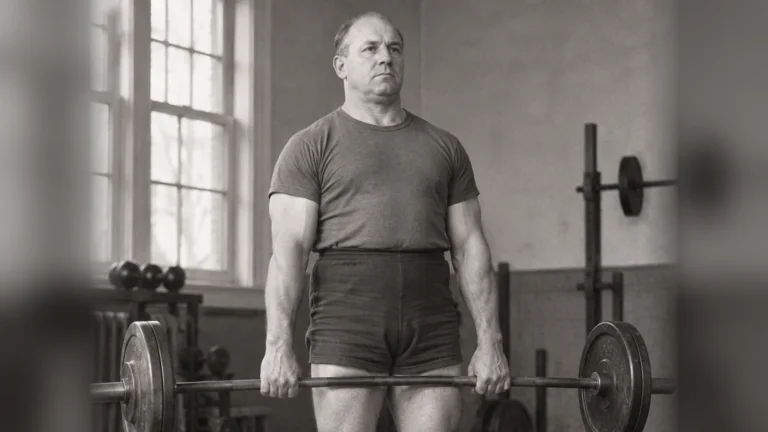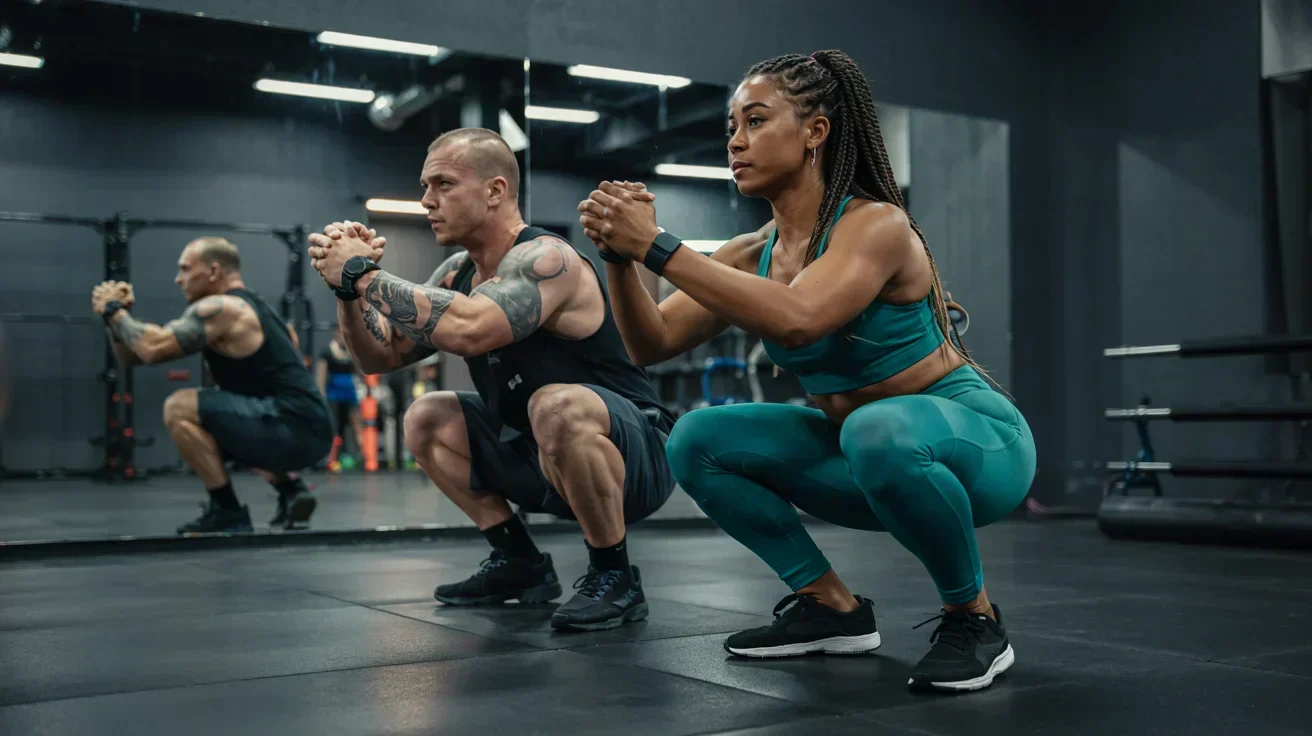

The benefits of having a workout partner can include a shared appointment, encouragement, a second set of eyes, and a more social workout. None is automatic: the best partner is one whose schedule, goals, and way of giving feedback fit yours.
A partner is especially useful when the arrangement helps you show up again next week. Research on social support is encouraging, but it does not show that every paired workout beats training alone.
Five potential workout partner benefits at a glance
| Potential benefit | What a partner can do | Important limit |
|---|---|---|
| 1. Accountability | Agree on a time and check in afterward. | A shared plan helps only if both people follow it. |
| 2. A workable schedule | Make exercise a recurring appointment. | Calendar conflicts can also cancel sessions. |
| 3. Motivation | Offer encouragement or a friendly challenge. | Competition can be unhelpful if your goals differ. |
| 4. Spotting and observation | Help with a lift after learning safe spotting. | A friend is not automatically a coach or trained spotter. |
| 5. Social connection | Make a walk or workout time to catch up. | Some people prefer the focus of solo training. |
1. A specific appointment can support accountability
“Let’s work out sometime” is easy to postpone. “Tuesday at 6 p.m. for a 30-minute walk” gives both people something they can put on a calendar.
A systematic review of exercise referral programs found social support among several factors associated with attendance, alongside motivation and self-efficacy. Those programs are not identical to two friends meeting at a gym, so use the finding as a reason to test a shared plan, not as a guarantee.
2. A partner can make your schedule easier to repeat
The useful part is the routine you create together: a day, location, workout length, and backup plan. The partner does not have to do the same exercises or use the same weights.
One small pilot randomized trial found that a brief buddy intervention increased logged exercise days among disabled older adults near the end of a 12-week home program. Its population and program were specific, so it cannot tell every gym-goer how much a buddy will improve attendance.
3. Encouragement may help, but harder is not always better
A friend can make a difficult session feel more approachable or help you finish a planned set. Agree first whether you want encouragement, a quiet companion, or friendly competition.
Evidence here is mixed. In a 24-person recreational running experiment, familiar and unfamiliar peers did not significantly change running duration, distance, pace, or enjoyment compared with running alone.
If your partner pushes every easy session into a race, the arrangement may work against your plan. You can support each other while training at different paces.
4. A trained spotter can help with some lifts
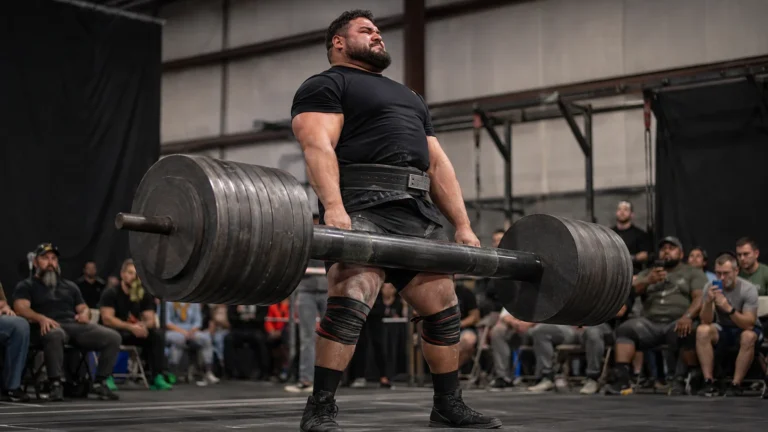
For a lift that needs a spotter, agree on the planned repetitions, when help is needed, and how to rerack before the set begins. Learn the setup for that exercise from a qualified coach or facility staff member.
In a small bench-press experiment with 12 trained participants, visible spotters were associated with more completed repetitions and higher self-efficacy. The study measured performance, not injury rates, so it does not prove that any workout partner prevents injuries.
A partner can also notice that a plate or collar needs checking, but ordinary observation is not a substitute for coaching on technique. If a lift feels unsafe or unfamiliar, reduce the load and ask a qualified professional for help.
5. Working out together can be a social activity
A walk or gym session can give two people a regular time to talk and share progress. You might find that enjoyable, but neither friendship nor better mental health is a guaranteed result of pairing up.
A qualitative study of 16 group exercisers described motivation, coaching-like feedback, and personal support as collaboration behaviors participants valued. Because it used interviews with a small group, it describes experiences rather than proving that all exercise partners improve outcomes.
Choose a partner with this two-minute fit check
- Schedule: Can you both meet on the same two days for the next month?
- Session: Will you walk, lift, take a class, or simply arrive and train separately?
- Effort: Does each person want conversation, quiet focus, or a challenge?
- Feedback: Is technique advice welcome, or should it come from a coach?
- Backup: What will each person do if the other cancels?
Try two weeks before treating the arrangement as permanent. Ask whether you attended the planned sessions, enjoyed them, and kept your own training goal intact.
A simple partner schedule that survives a cancellation
| Day | Shared plan | If one person cannot make it |
|---|---|---|
| Tuesday | 30-minute walk after work | Each person walks on their own and sends a short check-in. |
| Saturday | Gym visit with separate exercise plans | The available person keeps the gym appointment. |
This example keeps accountability without making either person’s exercise dependent on the other. Change the days, activity, and check-in style to suit your lives.
When solo training may fit better
Training alone can be a good choice if your schedule changes often, you prefer quiet focus, or you need a different intensity from your friend. You can still share a weekly progress note without doing every session together.
If you need exercise instruction or help managing an injury, look for a qualified coach or clinician rather than expecting a friend to fill that role. For general gym safety habits, see WorkoutHealthy’s injury prevention guide.
Frequently asked questions
Does a workout partner make you exercise more often?
It can, especially when both people keep a clear appointment, but the effect varies. The most useful test is whether your own attendance improves over several weeks.
Should my partner be fitter than me?
Not necessarily. A compatible schedule and respectful support matter more than matching fitness levels or turning each session into a contest.
Can my partner check my form?
A partner can notice what they see, but observation is not the same as qualified instruction. Use a coach or trained staff member for technique that you do not understand or a lift that needs skilled spotting.
Choose a partner who helps you keep a plan you can repeat. If the arrangement adds pressure, frequent cancellations, or unwanted advice, change the plan or train solo.
This article is general fitness information, not medical advice. If you have an injury, ongoing pain, or a medical condition, ask a qualified clinician for guidance before changing your exercise program.