
Research on social connection and longevity links stronger relationships with better survival, but it cannot tell you how many years a friendship will add. The useful question is what kind of connection or support is missing, and what would make it easier to find.
Contact, loneliness, reliable help and a sense of purpose describe different parts of life. A busy calendar can leave someone lonely, while a person living alone may have relationships that feel supportive.
The practical answer: Take social needs seriously alongside your existing health care. Use the evidence to ask better questions about connection, rather than to chase a friend count or a promise of extra years.
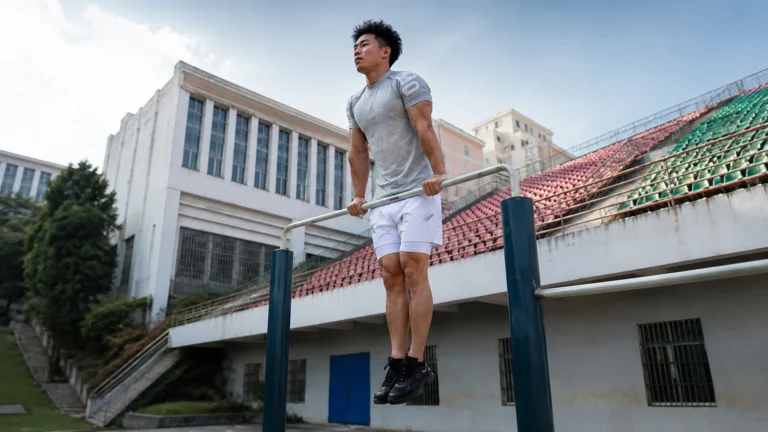
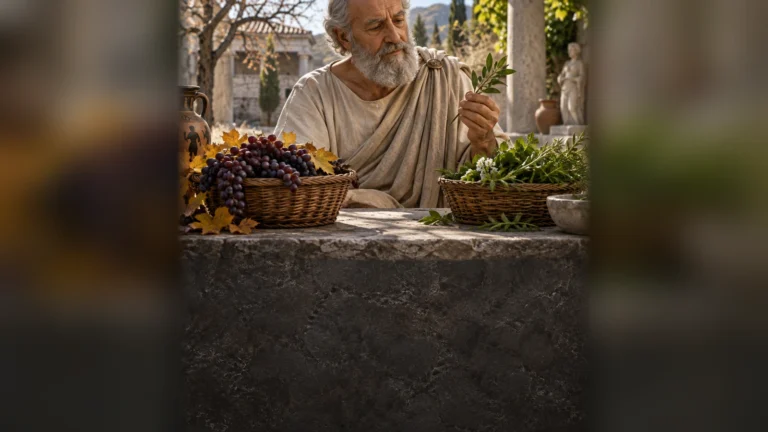
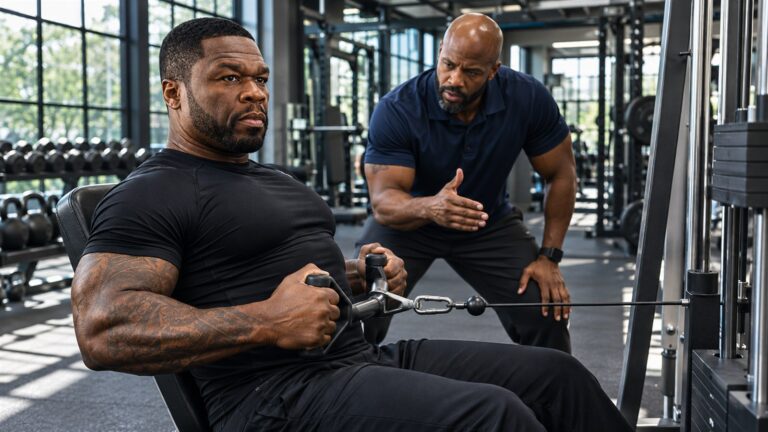
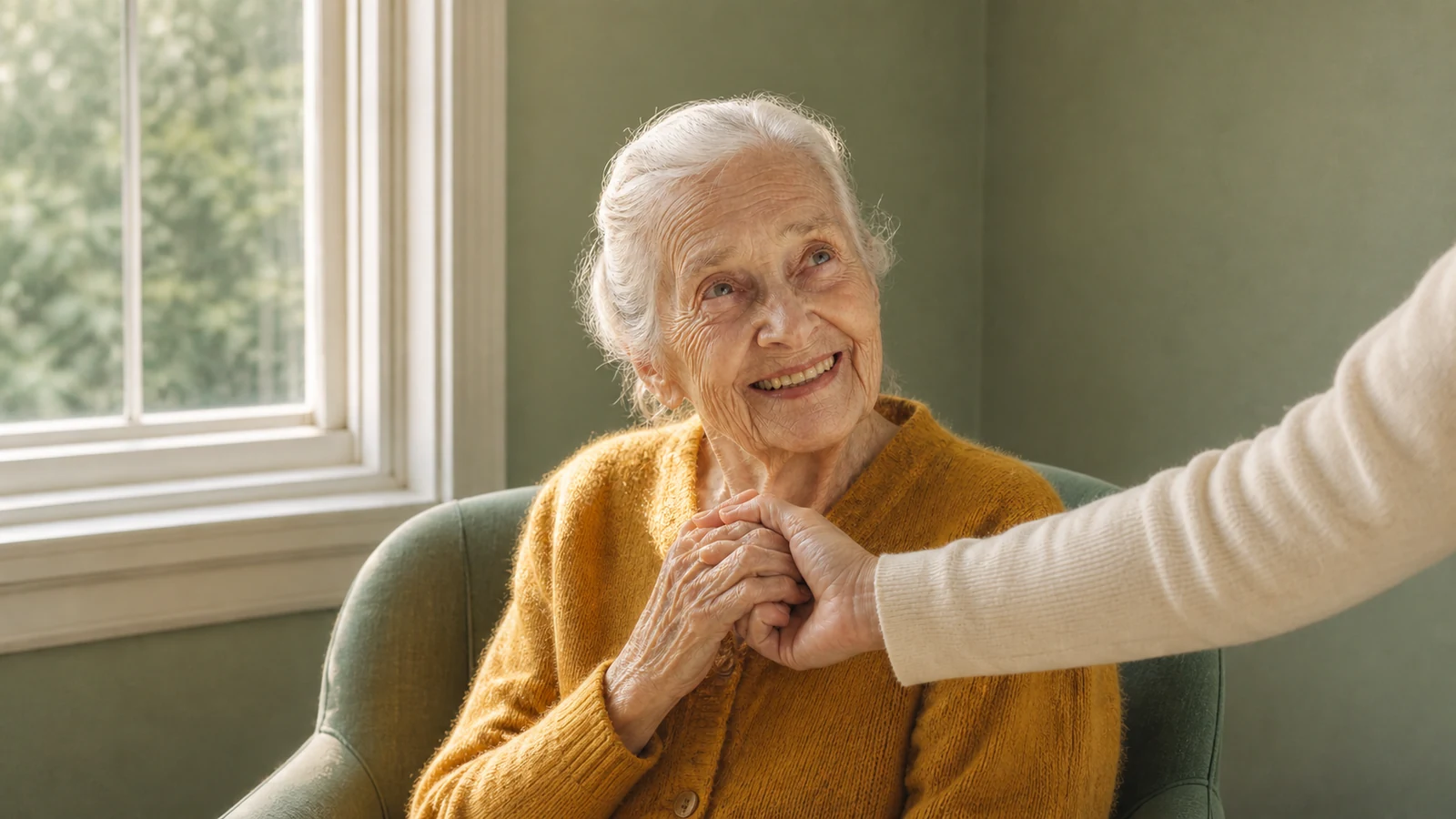
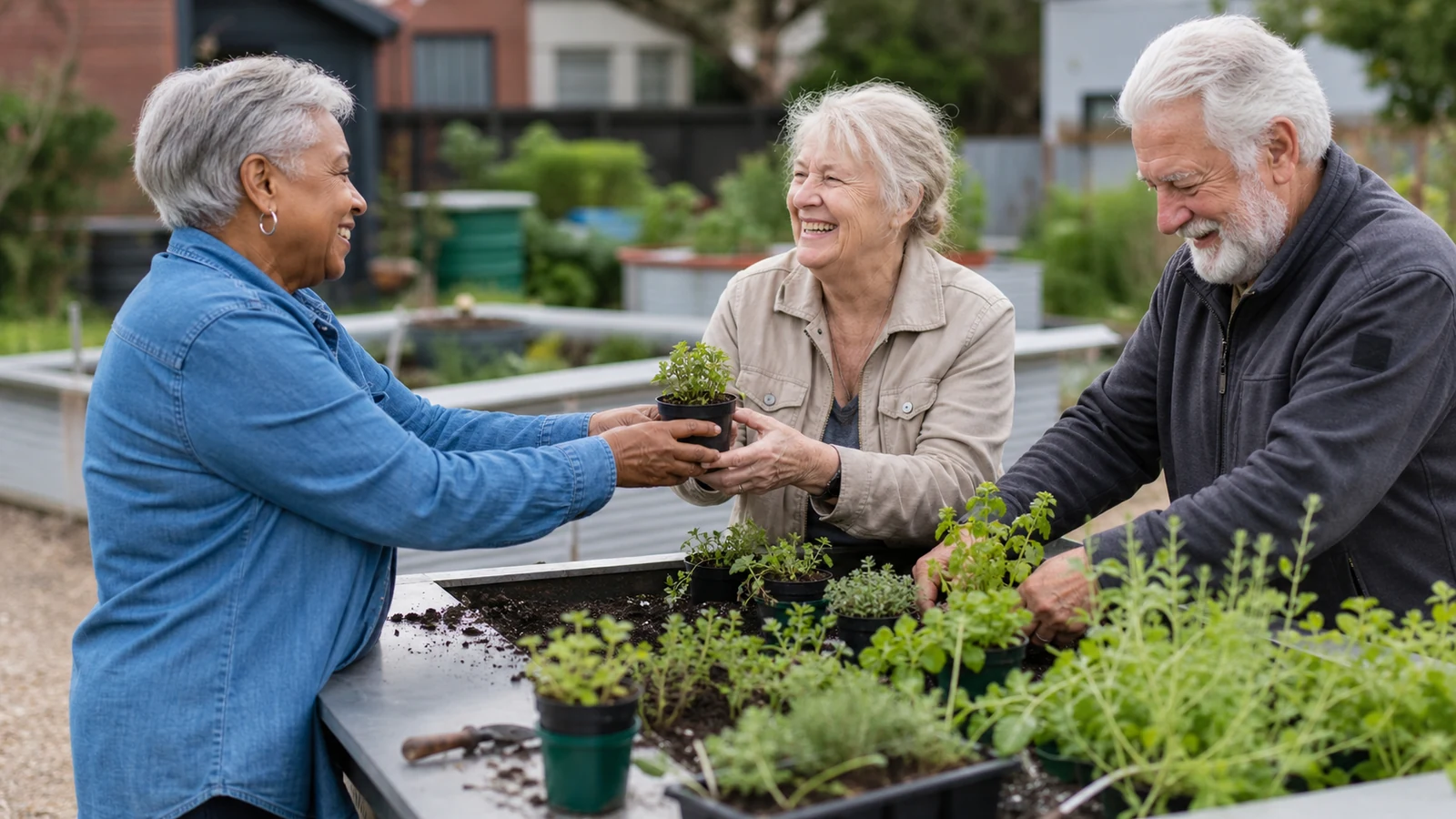
The featured scene and garden image are illustrations of connection, not photographs of research participants or evidence of anyone’s lifespan.
Connection Is More Than the Number of People You Know
The World Health Organization distinguishes social isolation, an objective shortage of connections, from loneliness, the painful gap between the relationships someone wants and those they experience. These can overlap without being identical.
Consider two everyday examples: someone may enjoy living alone and still have dependable contact, while someone surrounded by colleagues may have nobody they can confide in. These are illustrations, not categories that diagnose a health problem.
Support also has a practical side: knowing whom you could ask for help differs from receiving an invitation to a crowded event. A useful conversation can start with the missing function instead of the size of a social circle.
Purpose adds another question: what feels meaningful or worth doing? A valued responsibility may involve other people, but purpose and social connection are separate research measures.
What the Longevity Studies Actually Measured
The studies below address related questions with different outcomes. Keeping those outcomes separate prevents a mortality finding from becoming a claim that a phone call lowers a particular blood marker.
| Research | Comparison and outcome | Interpretation limit |
|---|---|---|
| Relationships, 2010 | 148 studies, 308,849 participants; stronger versus weaker relationships, pooled survival odds ratio 1.50. | Varied measures, populations, health, adjustment and follow-up. |
| Isolation and loneliness, 2015 | Adjusted mortality odds ratios: isolation 1.29, loneliness 1.26, living alone 1.32. | Separate pooled associations, not three risks to add together. |
| Relationships and physiology, 2016 | Four US study samples; relationship measures alongside inflammation, blood pressure, waist circumference and body mass index. | Biomarker associations varied by age, measure and adjustment; not a connection intervention. |
| Purpose, 2019 | 6,985 adults older than 50; baseline purpose questionnaire and deaths during 2006 to 2010. | A cohort comparison, not a trial of volunteering or purpose coaching. |
The pooled survival odds ratio was 1.50 (95% confidence interval 1.42 to 1.59). It cannot predict lifespan or mean 50% longer life or 50 extra percentage points.
Biomarkers Do Not Turn the Findings Into a Treatment Plan
Yang et al. separated integration, support and strain across four US samples. MIDUS showed no statistically significant integration associations with the biomarkers; some other associations weakened after adjustment.
Three samples lacked repeat biomarkers. NSHAP allowed blood-pressure, waist and body-mass-index change analyses, but C-reactive protein used baseline measurements only.
This nonrandomized study cannot establish that a social program improves a medical outcome. Do not change medication or monitor biomarkers to score a friendship.
What Purpose Adds, and What It Does Not Prove
The purpose cohort’s fully adjusted death hazard ratio was 2.43 for the lowest versus highest purpose category (95% confidence interval 1.57 to 3.75). It compares event rates, not an individual probability.
Among 1,774 participants without reported chronic disease, the fully adjusted lowest versus combined upper-purpose comparison was 1.41 (0.59 to 3.39). That interval included no association.
These questionnaire comparisons did not test a purpose-building program, volunteering schedule or weekly task.
You can value an activity without making it a health-risk target.
A Connection Reflection Card You Can Adapt
This card is an editorial aid for identifying a practical need, not a validated loneliness scale or a longevity intervention. You can answer privately, discuss it with someone you trust, or bring a relevant barrier to a professional.
| Question | An option to consider | What to notice |
|---|---|---|
| Do I want more contact? | Ask someone you already know about a call, visit or shared activity. | Whether the format is welcome and realistic for both people. |
| Do I have contact but feel unheard? | Tell a trusted person what kind of conversation or support you would appreciate. | Whether you feel listened to, rather than how long the conversation lasts. |
| Is access the obstacle? | Ask a library, community organization or care team about cost, transport, hearing access or remote participation. | Which specific barrier could be reduced before adding a commitment. |
| Would I like a meaningful role? | Explore a manageable shared project, skill exchange or volunteer role that interests you. | Whether it feels worthwhile and fits your capacity. |
For example, a person who misses conversation after retirement might ask a former colleague about a catch-up call. Someone who already has frequent contact may prefer an honest conversation with one trusted person to another group invitation.
Those examples address different needs, and neither is a tested recipe for longer life. Declining an unsuitable invitation does not mean you have failed at healthy aging.
If you try something, consider whether it felt supportive, manageable and worth repeating. You do not need to convert the experience into points, minutes or a health-risk score.
Find Support Without Turning Loneliness Into Blame
WHO identifies barriers beyond individual choice, including poor health, low income, discrimination and a lack of accessible community spaces. More effort alone cannot remove all of them.
A community group may already have information about accessible venues or ways to join remotely. Asking what is available can be a smaller task than committing to an unfamiliar activity immediately.
You do not have to maintain a relationship that feels unsafe to increase a contact count. Nor do these studies show that marriage, living with others or attending a particular type of group is necessary for every person.
If loneliness, grief or changes in mood are distressing or disrupting daily life, speak with a qualified health professional about appropriate support. General connection ideas do not replace treatment for depression, anxiety or another diagnosed condition.
The evidence gives social connection a place in discussions of healthy aging, while leaving substantial uncertainty about interventions and individual outcomes. A realistic next step is one that addresses your actual needs, without a promise about how long you will live.
Get the next evidence check. Subscribe to WorkoutHealthy Insider for clear explanations behind popular health and fitness claims.
References
Holt-Lunstad, J., Smith, T. B., & Layton, J. B. (2010). Social relationships and mortality risk: A meta-analytic review. PLoS Medicine, 7(7), e1000316. Read the original review.
Holt-Lunstad, J., Smith, T. B., Baker, M., Harris, T., & Stephenson, D. (2015). Loneliness and social isolation as risk factors for mortality: A meta-analytic review. Perspectives on Psychological Science, 10(2), 227 to 237. Read the original abstract and repository record.
Yang, Y. C., Boen, C., Gerken, K., Li, T., Schorpp, K., & Harris, K. M. (2016). Social relationships and physiological determinants of longevity across the human life span. Proceedings of the National Academy of Sciences, 113(3), 578 to 583. Read the original study.
Alimujiang, A., et al. (2019). Association between life purpose and mortality among US adults older than 50 years. JAMA Network Open, 2(5), e194270. Read the original cohort study.
World Health Organization. (2025, June 30). Social connection linked to improved health and reduced risk of early death. Read the official release.
Medical disclaimer: This article provides general health information, not medical advice or mental health treatment. If you have a medical or mental health condition, discuss your needs with a qualified health professional; social activities do not replace prescribed care.