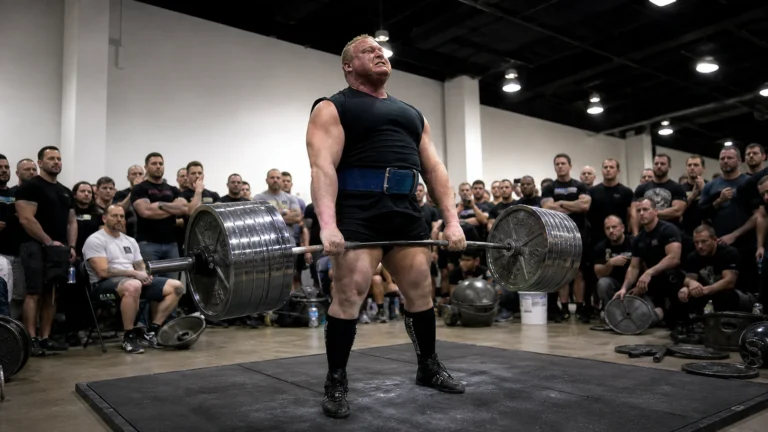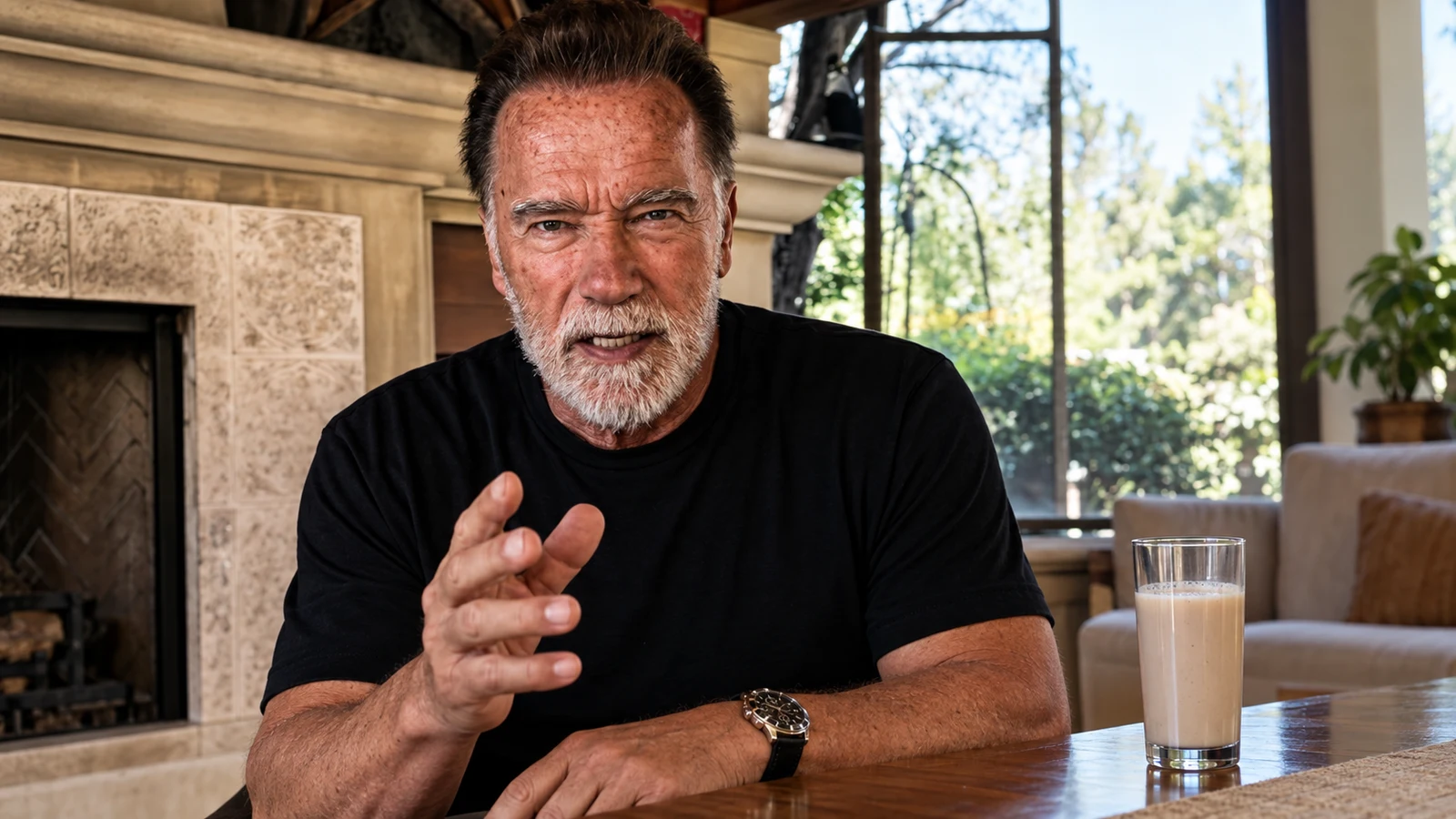

Arnold Schwarzenegger has repeatedly encouraged readers to eat more plant foods and stop treating every plant-based protein as a weak substitute. Soy is a strong example because it supplies all nine essential amino acids and has much more resistance-training research behind it than most plant proteins.
A viral caption says a 2025 meta-analysis of 43 randomized trials proved soy isolate produces the same muscle and strength gains as dairy. The conclusion is directionally reasonable, but the number needs a careful explanation because all 43 trials did not test soy isolate.
What the 43-Trial Review Actually Studied
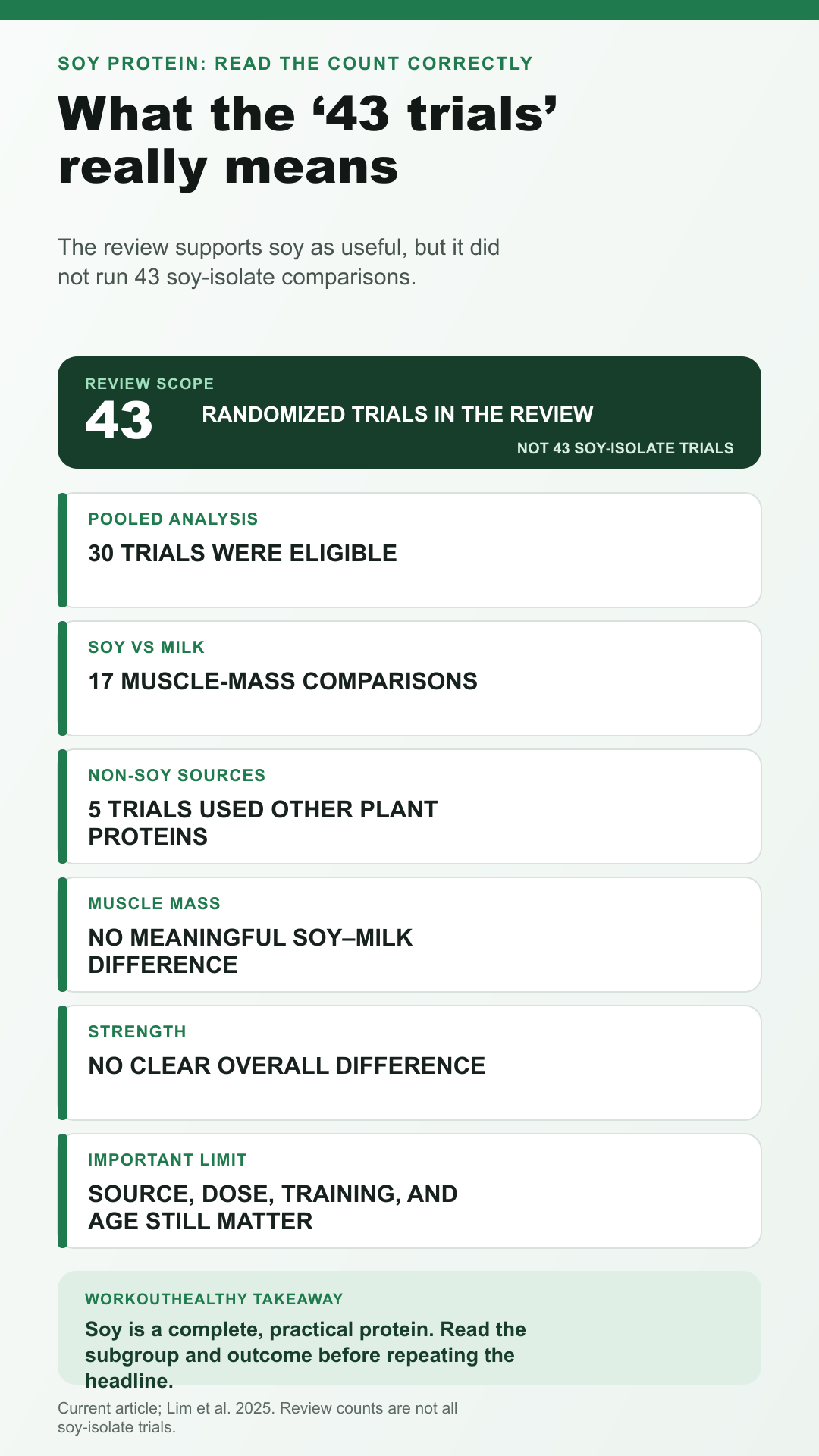
The review compared plant and animal protein across 43 randomized controlled trials, with 30 trials eligible for its pooled meta-analysis. Seventeen of the trials that reported muscle-mass outcomes compared soy protein with milk protein.
Five other trials compared non-soy plant proteins, including rice, oat, potato, or chia, with animal protein, and several studies examined whole plant-based dietary patterns. Treating the entire set as 43 soy-isolate trials overstates how narrow and consistent the evidence was.
For muscle mass, the pooled result found no meaningful difference between soy and milk protein across the 17 comparisons. Animal protein performed better than the group of non-soy plant proteins and plant-based diet interventions in separate subgroup analyses.
The review found no clear overall difference between plant and animal protein for strength, physical performance, or sarcopenia because fewer trials reported those outcomes and the evidence was more limited. That is weaker than saying every plant protein produces identical strength results.
The most accurate summary is that soy performed similarly to milk for muscle mass in the available trials, while evidence for other plant proteins was less consistent. Source, dose, total diet, training, age, and study design still matter.
Soy Is a Complete Protein, but Complete Does Not Mean Identical
A complete protein contains all nine essential amino acids that the body cannot produce in sufficient amounts. Soy meets that definition, which makes it different from the online claim that plant foods are automatically missing essential building blocks.
Protein quality also depends on digestibility and the amount of each indispensable amino acid delivered in a realistic serving. Whey is especially rich in leucine and is digested rapidly, while soy generally provides less leucine per gram.
That difference can affect the short-term rise in muscle protein synthesis after a single serving. Long-term muscle growth is not determined by one acute response, because daily protein, total energy, training progression, meal size, and months of adherence shape the outcome.
A person using soy can address the difference by eating enough total protein and choosing a serving that delivers a useful dose of essential amino acids. Blending protein sources across the day can also improve variety without requiring every meal to imitate dairy.
That is why comparisons should match realistic servings instead of equal scoops or equal calories. Twenty-five grams of protein from two products may require different serving sizes, and the total meal can supply amino acids that a single powder does not. This makes food labels and the complete daily menu more useful than slogans about one ingredient.
The word “isolate” matters because soy isolate is processed to contain a high percentage of protein and less fiber, fat, and carbohydrate than whole soy foods. Tofu, tempeh, edamame, soy milk, and isolate can all contribute protein, but they are not nutritionally identical products.
The Hormone Myth Does Not Match Human Trials
Soy contains isoflavones, compounds that can interact with estrogen receptors. That fact has been turned into a claim that ordinary soy intake raises estrogen, lowers testosterone, and causes breast growth in men.
A 2021 meta-analysis of clinical studies found that soy protein and isoflavone exposure did not affect total testosterone, free testosterone, estradiol, or estrone in men. The analysis covered a wide range of doses and durations and did not support the feminization claim.
Rare case reports involving extremely high intake cannot establish what happens at normal food or supplement doses. Case reports can raise questions, but controlled trials provide a better estimate of the average effect.
People with a soy allergy should avoid soy, and anyone with a medical condition affected by diet or medication timing should ask a clinician about personal needs. Those exceptions do not turn soy into a hormone threat for the general population.
What the Research in Active Adults Shows
A systematic review focused on athletes and physically active people included 19 randomized studies of soy protein. Some trials found similar gains in lean mass for soy and whey, while outcomes varied across muscle adaptation, performance, metabolic markers, and hormonal measures.
Another meta-analysis comparing soy with animal protein during resistance training found no significant difference in gains in lean body mass or strength. The small number and varied designs of the studies still limit how confidently the result applies to every athlete.
These findings make soy a legitimate option, not a magic option. A lifter who trains inconsistently or eats too little total protein will not fix the program by changing the label on a shake.
Readers can see the wider context in our article on Arnold Schwarzenegger’s plant-forward diet. Our review of low reps and high reps also explains why muscle growth depends on training effort and progression across several loading ranges.
Older Adults Need More Than a Source Debate
The caption says people over 60 should care more about total protein than source. Total intake is important, but older adults may need to pay extra attention to meal size, protein quality, appetite, resistance training, and medical conditions.
A network meta-analysis in older adults found that whey ranked highly when protein supplements were combined with resistance training, while soy still appeared among the useful options. Another trial in older adults reported smaller strength gains with soy than with dairy despite similar protein intake, although lean mass and physical-function changes did not differ clearly.
One trial cannot cancel the broader evidence, and a pooled result cannot guarantee an identical outcome for every person. The mixed findings are a reason to avoid both extremes: soy is not worthless, and all protein sources are not interchangeable in every dose and population.
An older adult who eats little protein may benefit more from a practical food they tolerate and will use consistently than from chasing a theoretically perfect powder. Resistance exercise, adequate energy, and enough total protein must work together.
How to Use Soy Protein in a Real Diet

- Count the serving, not the marketing. Check grams of protein and serving size instead of assuming every soy drink or bar is protein rich.
- Choose a form that fits the meal. Tofu and tempeh can anchor meals, edamame can add protein and fiber, and isolate can be convenient around training.
- Spread protein across the day. Several meals with meaningful protein are usually easier to use than saving almost the entire daily amount for dinner.
- Pair nutrition with progressive training. Protein supports adaptation to a stimulus; it does not replace resistance exercise.
- Use variety. Beans, lentils, soy, grains, nuts, seeds, dairy, eggs, fish, or meat can contribute depending on preferences and needs.
- Adjust for health conditions. A clinician or registered dietitian can help with allergies, kidney disease, swallowing problems, appetite loss, or complex medication schedules.
The Claim Is Better When the Number Is Correctly Framed
Arnold’s central message survives a careful reading: high-quality soy protein can support muscle growth, and fear about feminizing effects is not supported by controlled human evidence. Lifters do not need dairy to make progress if they can meet nutrition needs with foods they prefer.
The stronger article does not say that 43 soy-isolate trials proved every plant protein equal to every animal protein. It says a 43-trial review contained 17 soy-versus-milk comparisons for muscle mass, and those comparisons did not show a meaningful difference.
That narrower statement respects the research and remains useful. Soy is a complete, practical protein source, while the best plan still depends on total intake, training, tolerance, health, and the rest of the diet.
Get the next evidence check.
Five practical fitness stories worth your time, every Friday.
One email a week. No product pitches. Unsubscribe in one click.
References
- Lim, M. T., Pan, B. J., Toh, D. W. K., Sutanto, C. N., and Kim, J. E. (2025). Effect of plant versus animal protein on muscle mass, strength, physical performance, and sarcopenia.
- Messina, M., Mejia, S. B., Cassidy, A., and colleagues. (2021). Neither soy nor isoflavone intake affects male reproductive hormones. Reproductive Toxicology.
- Moon, J., Koh, G., and colleagues. (2023). Soy protein supplementation and muscle adaptations in active people.
- Li, S. S., Blanco Mejia, S., Lytvyn, L., and colleagues. (2020). Soy protein versus animal protein for gains in muscle mass and strength during resistance exercise.
- Wang, and colleagues. (2024). Comparative efficacy of protein supplements in older adults undergoing resistance training.
- Thomson, R. L., Brinkworth, G. D., Noakes, M., and colleagues. (2016). Soy, dairy, and strength gains during resistance training in older adults.
Medical disclaimer: This article is for general information only and is not medical advice. If you have an injury, ongoing pain, or a medical condition, talk to a doctor or physical therapist before you change how you train or eat.