
Rebel Wilson turned a New Year’s resolution into headline news. In January 2020 she publicly declared it her “Year of Health,” and by the end of that year she had lost roughly 80 pounds.
That much is well documented in entertainment press coverage from the time. What actually drove the change, and whether it holds any lesson for a normal reader, is a separate question.
What actually happened
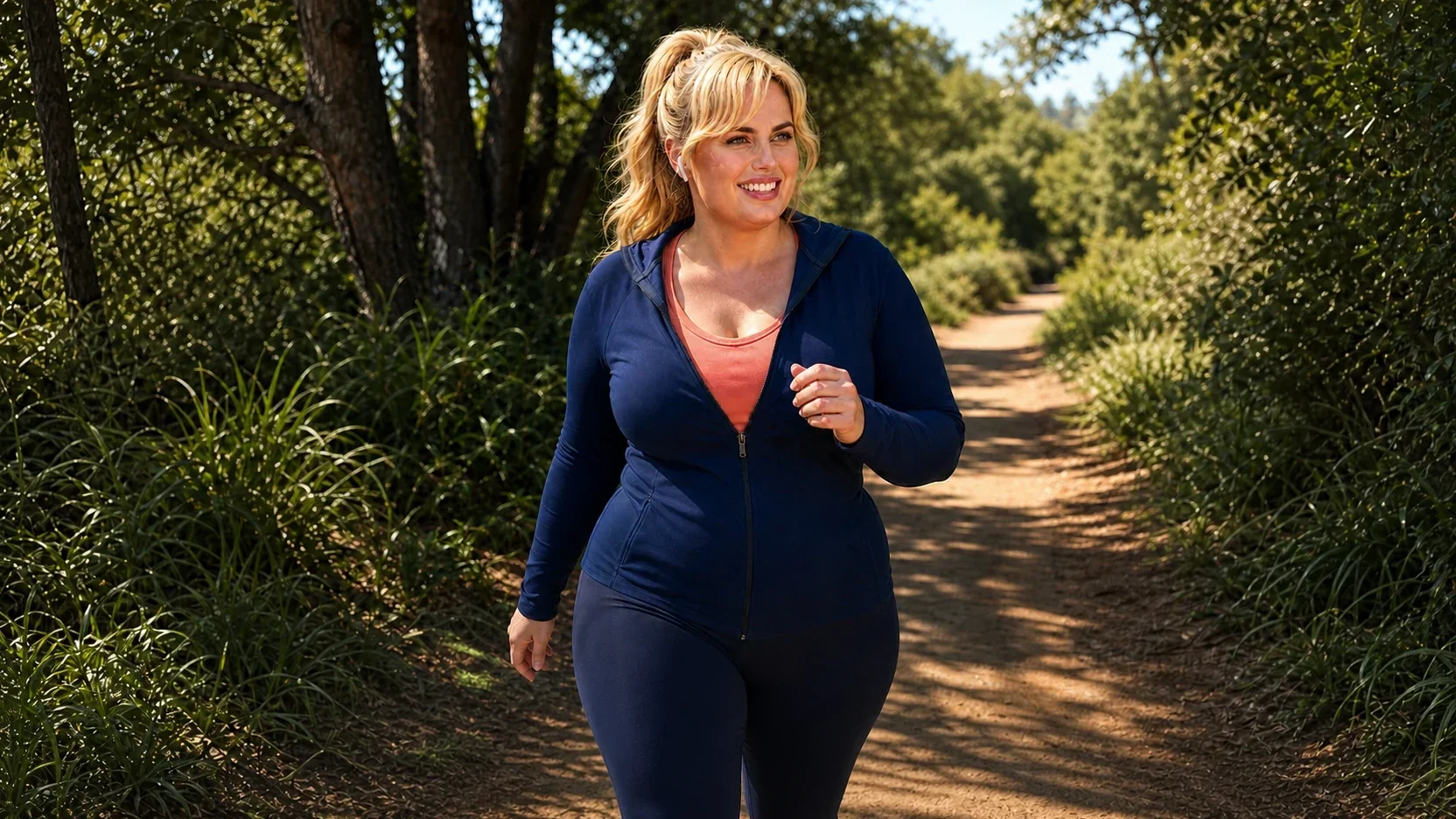
Wilson announced the Year of Health framing on social media at the start of 2020, and entertainment outlets tracked her progress across the year that followed. By public accounts from that year, she credited a combination of daily walking, structured workouts, and a shift toward whole foods over restrictive dieting, not one single method or program.
She has also described the goal itself shifting over time. Early framing centered on a number on the scale, while later interviews describe the focus moving toward consistent daily habits and self-care instead.
It’s worth being direct about one more reported detail. Wilson had nutritionists and trainers supporting her throughout the year, a level of professional access most readers won’t have.
Why the habit framing is the part that actually stuck
This pattern lines up with something behavior change research keeps finding: a specific, repeatable action tends to outlast a resolution built around a single number, because the action can be repeated on a bad day and a number on a scale can’t be undone.
Naming the goal publicly likely added a second layer of accountability on top of that. Public commitment is a well documented lever in behavior change work, since a stated goal creates a real social cost for quietly abandoning it.
A number on a scale is a scoreboard, not a plan. The habits are the plan, and Wilson’s own reported framing put those habits first.
The Realistic Weekly Pace Behind an 80-Pound Year
Losing about 80 pounds over a full year works out to roughly 1.5 pounds a week on average: 80 pounds divided by 52 weeks. That’s a WorkoutHealthy estimate built from two public figures only, the roughly 80-pound total commonly reported at the time and the fact that a year runs 52 weeks, and it assumes a perfectly even pace, which real weight loss almost never follows.
The Centers for Disease Control and Prevention lists 1 to 2 pounds a week as a realistic, sustainable range for most adults. An average pace of 1.5 pounds a week sits inside that range rather than past it, which lines up with the habits-not-a-crash framing Wilson herself has described.
If the real pace ran faster in some months and slower in others, which is normal, any single month’s number would look different from the average without changing the total. The math describes the full year, not any one week inside it.
The number that gets shared is the total. The number that’s actually useful is the pace, and hers was not extreme.
A Scaled-Down “Year of Health” for the Rest of Us
Nobody needs a film career’s worth of public attention to borrow the actual mechanism here. Three pieces of it are available to anyone.
First, name one specific, repeatable action instead of a vague goal. “Walk most days” survives a bad week; “lose 80 pounds” doesn’t give you anything to do on a Tuesday.
Second, tell one real person the goal out loud, without needing a public announcement to do it. A single accountability partner captures much of the same social cost that public commitment research points to.
Third, pick a floor habit you would actually do on your worst day, not just your best one. A 10-minute walk that happens daily beats an hour-long workout that happens twice a month, and our guide to realistic daily walking targets is a reasonable place to set that floor.
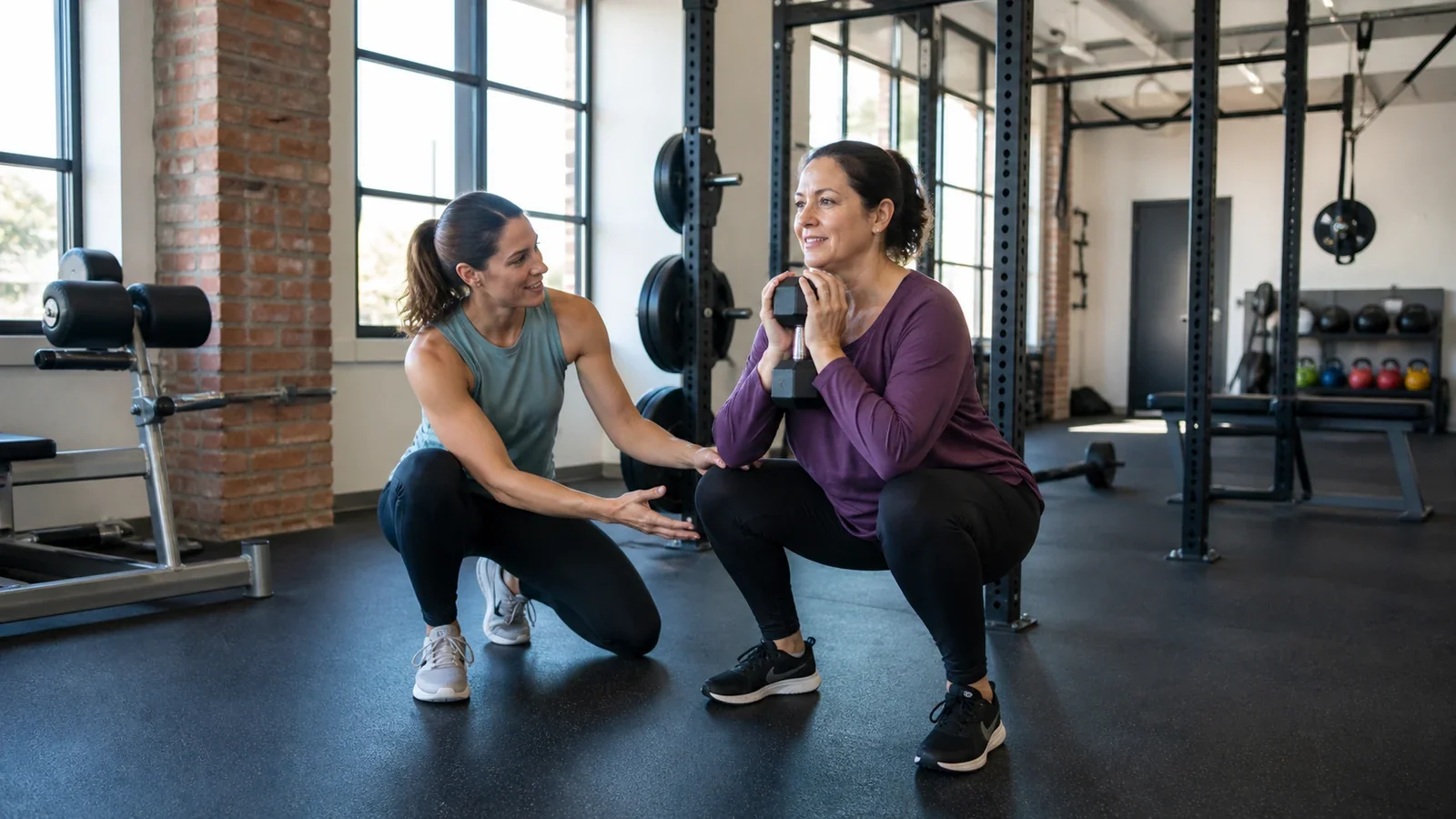
Structured workouts were part of Wilson’s reported approach too, and starting one does not require a trainer on staff. Our beginner strength training routine covers a realistic starting point for building that habit without overcomplicating week one.
None of this requires starting young or starting fast, either. Our coverage of Edith Connor’s decade-long path to a Guinness record makes the same point from a different direction: consistency measured in months and years, not one dramatic moment, is what actually holds up.
What this is not
This is not an endorsement, and nothing here implies Wilson uses, likes, or recommends anything WorkoutHealthy sells. She has no connection to this site.
It’s also not a claim that anyone can replicate her exact results. Wilson had nutritionists and trainers supporting her throughout the year, which most readers won’t have access to, and individual results from any combination of diet and activity vary widely.
See our Celebrity Fitness sourcing standards for how stories like this one get reported, including how we handle images for the people we cover.
This article reports what public figures have said about their training. It is not medical advice and nobody covered here endorses WorkoutHealthy or any product. How we cover celebrity fitness.