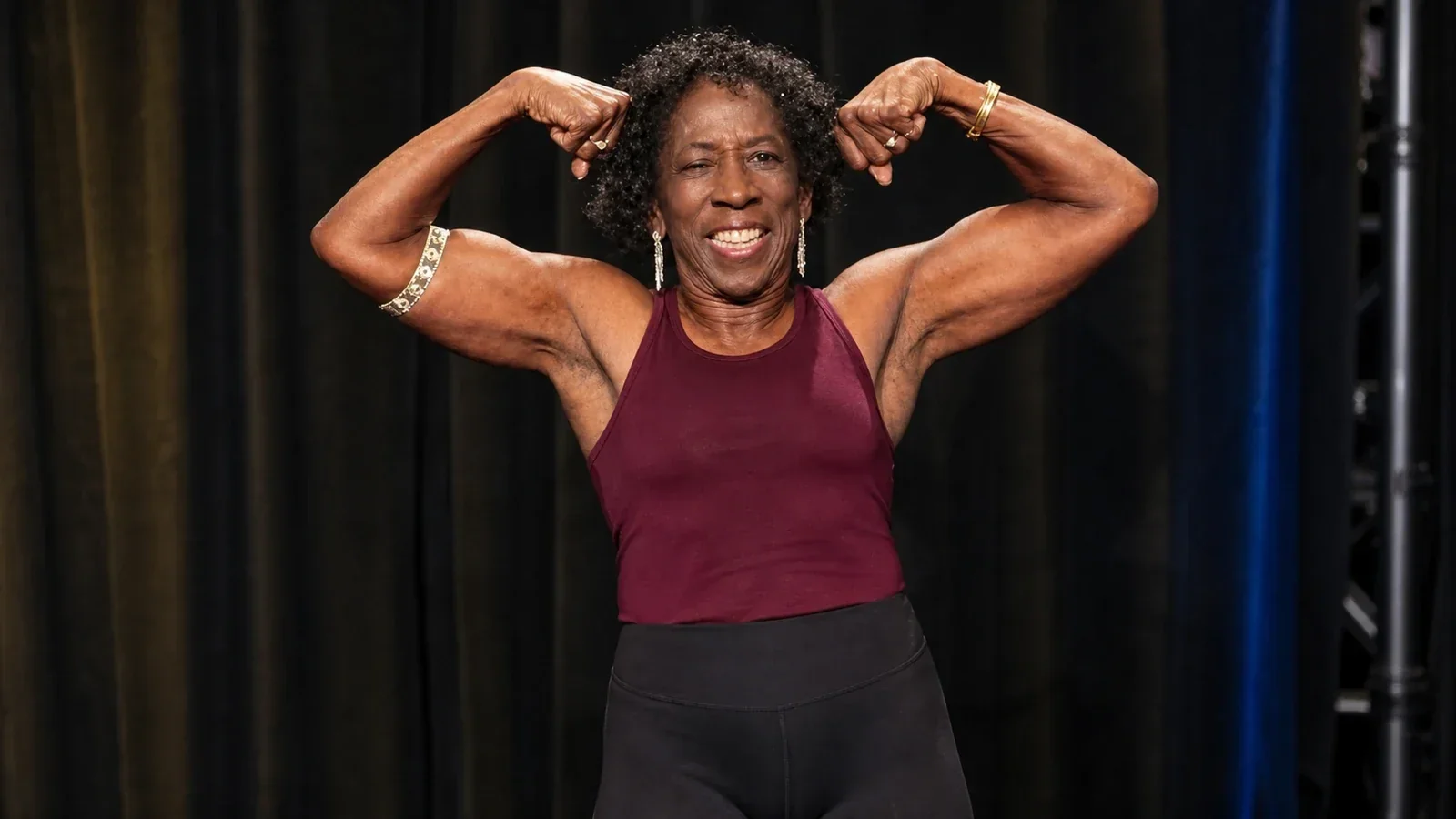

Edith Connor did not pick up a barbell until her sixties. By the time she stepped off the stage in 2011, she owned a Guinness World Record.
What actually happened
Connor competed in the 2011 NPC Armbrust Pro Gym Warrior Classic Championships in Loveland, Colorado. She was 75 years and 349 days old on competition day, days short of her 76th birthday.
In 2012, Guinness World Records officially recognized her as the oldest competitive female bodybuilder, a title documented on the organization’s own site and covered by outlets including IBTimes and The Mary Sue.
She took the title from Ernestine Shepherd, another well known older bodybuilder, and Guinness has tracked the record since.
A late start, not a lifelong one
What makes Connor’s record unusual is not just her age. It is how little time she had to build the physique that earned it.
Most competitive bodybuilders spend decades in the sport before reaching the stage. Connor started strength training in her sixties and reached a national competitive stage roughly a decade later.
That timeline matters for anyone who assumes serious strength training has a closing window. Hers opened later than most and still led somewhere real.
A decade is a short runway for a national stage, and Connor’s record is proof the runway does not have to start young to end somewhere real.
What a Decade-Long Build Actually Requires
Building competitive muscle mass after 60 is a different project than doing it at 25. Recovery is slower, joints have more history, and hormonal support for muscle growth is lower.
None of that makes it impossible. It changes the plan, not the outcome.
A realistic version of Connor’s path leans on longer recovery windows between hard sessions, more attention to joint friendly exercise selection, and consistency measured in years rather than months.
The honest version of this story is not “anyone can do this by next summer.” It is that the ceiling for starting late is much higher than most people assume, provided the training is patient enough to respect a 60 year old body’s actual recovery needs.
A late start changes the timeline for building strength. It does not lower the ceiling.
Where to actually start
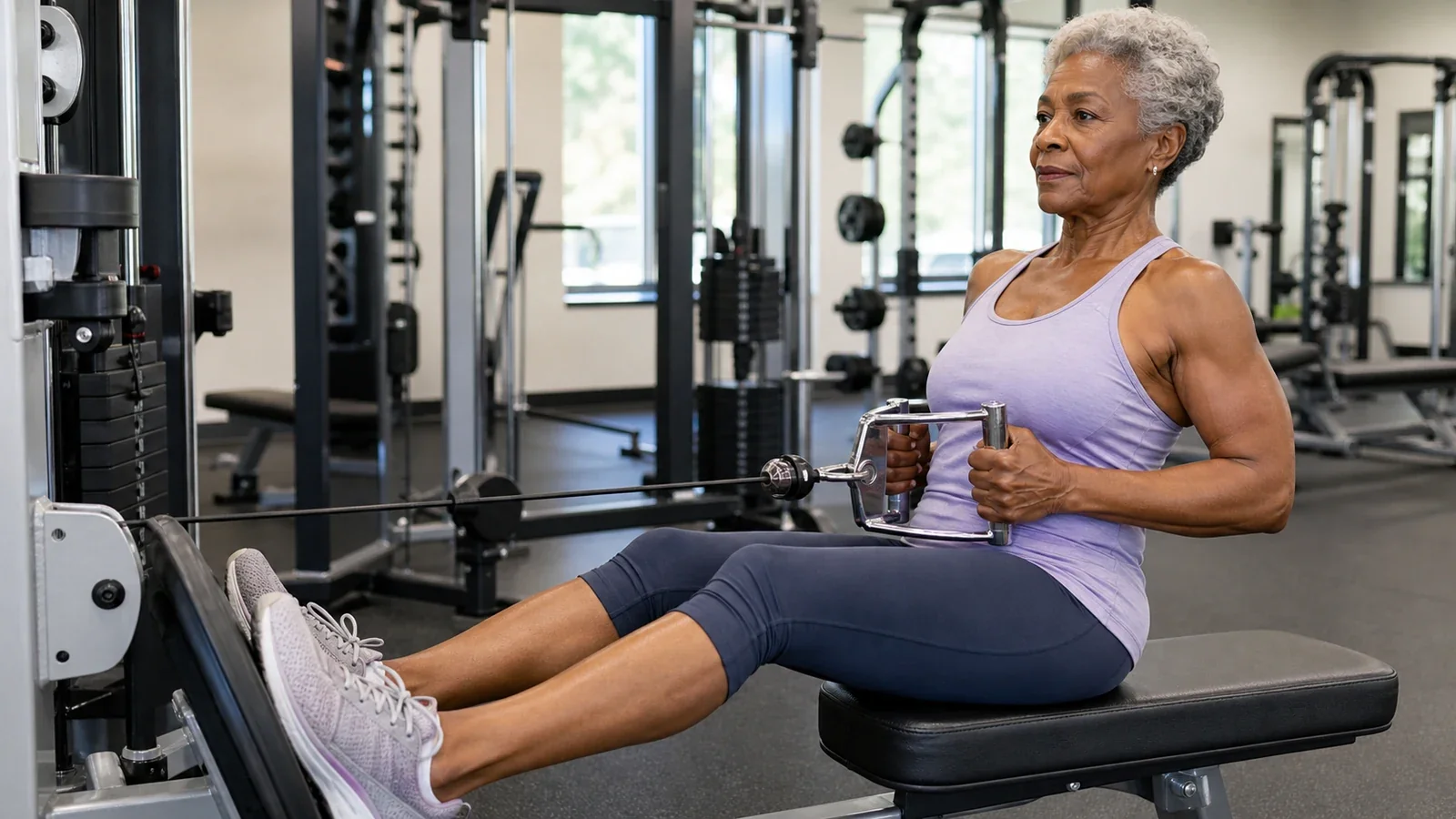
Nobody needs a competitive stage to benefit from strength training later in life. Consistent resistance work at any age supports bone density, balance, and independence.
Our guide to dumbbell training for older adults covers a realistic starting point, and our injury prevention guide covers how to build volume without derailing progress with an avoidable setback.
What this is not
This is not an endorsement. Connor has no connection to WorkoutHealthy, and nothing here implies she uses, likes, or recommends anything we sell.
It is also not a training plan. Competitive bodybuilding at any age involves supervision, coaching, and a level of dietary discipline this article does not cover.
See our Celebrity Fitness sourcing standards for how stories like this one get reported.
This article reports what public figures have said about their training. It is not medical advice and nobody covered here endorses WorkoutHealthy or any product. How we cover celebrity fitness.