Keke Palmer led a mat Pilates session at MOVE at the Shed in Chicago with a message that reaches beyond celebrity fitness: movement can be challenging without being punishing, and a workout can build connection as well as strength. The September 13, 2026 festival at the Salt Shed brought together Pilates, boxing, dance, running, cycling, mobility work, and community conversations in one place.
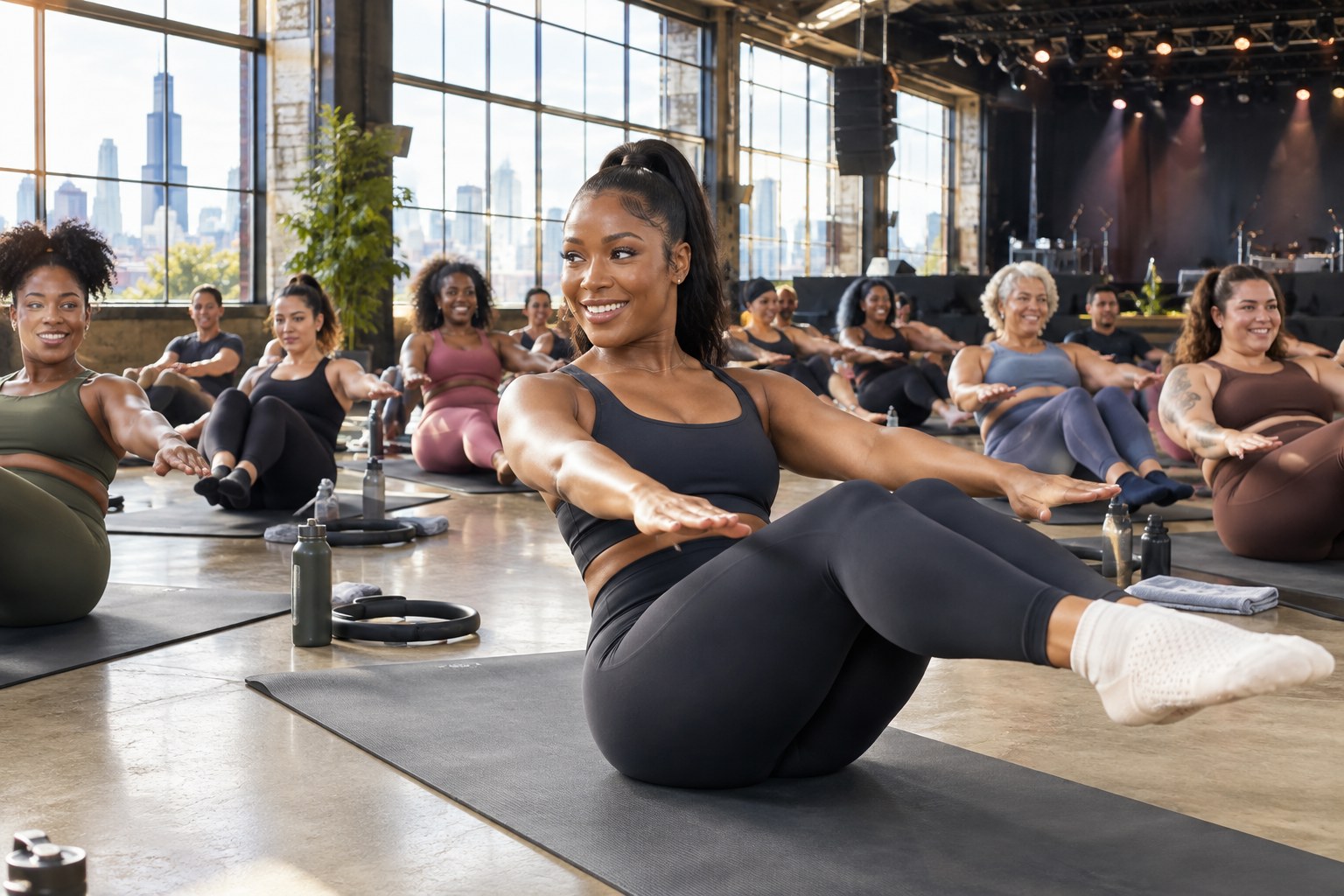
The official MOVE at the Shed schedule listed Practice by Palmer as an hour long mat Pilates session led by Palmer. It also featured her in a closing community fireside chat. That combination fits the philosophy behind her new movement platform, which presents exercise as a way to develop grace, grit, mobility, and confidence instead of chasing an appearance standard.
MOVE at the Shed Was Built Around Choice
The festival did not ask everyone to move the same way. Visitors could choose ticketed classes such as Pilates, boxing conditioning, dance, yoga, and cardio, or use a complimentary community pass for walks, runs, rides, line dancing, strength demonstrations, and recovery experiences. That menu is more than event programming. It reflects a useful truth about long term fitness: adherence improves when people can find an activity that feels meaningful and sustainable.
Palmer’s session occupied a central spot in the day. Mat Pilates requires very little equipment, so a large group can move through the same basic patterns while adjusting range and intensity. That accessibility supports the event’s broader invitation to sweat, reset, connect, or simply spend time with Chicago’s well being community.
A celebrity name may draw attention, but the format succeeds only if participants feel included once class starts. A good instructor explains where the movement should be felt, offers an easier and harder option, and gives people permission to pause. Those cues turn a crowded event into an experience an individual can actually use.
Practice by Palmer Emphasizes Control and Centering
Palmer’s platform describes sessions that combine controlled core work, mobility, and low impact strength. A published core strength session uses supported chest lifts, twists, weighted reaches, and pulses to challenge the center of the body. The programming language emphasizes precision and power rather than calorie burn or body transformation.
That framing matters. Fitness marketing often treats exercise as repayment for food or a correction for appearance. A function centered message asks different questions. Can you rotate with control? Can you stabilize the pelvis while the arms and legs move? Can you get up from the floor comfortably? Can you breathe while effort rises?
These are practical abilities. They support lifting, running, dancing, carrying, and daily tasks. They also give participants more ways to notice progress than a scale reading. Better balance, smoother coordination, greater range, and improved confidence are meaningful results even when appearance does not change.
What Mat Pilates Actually Trains
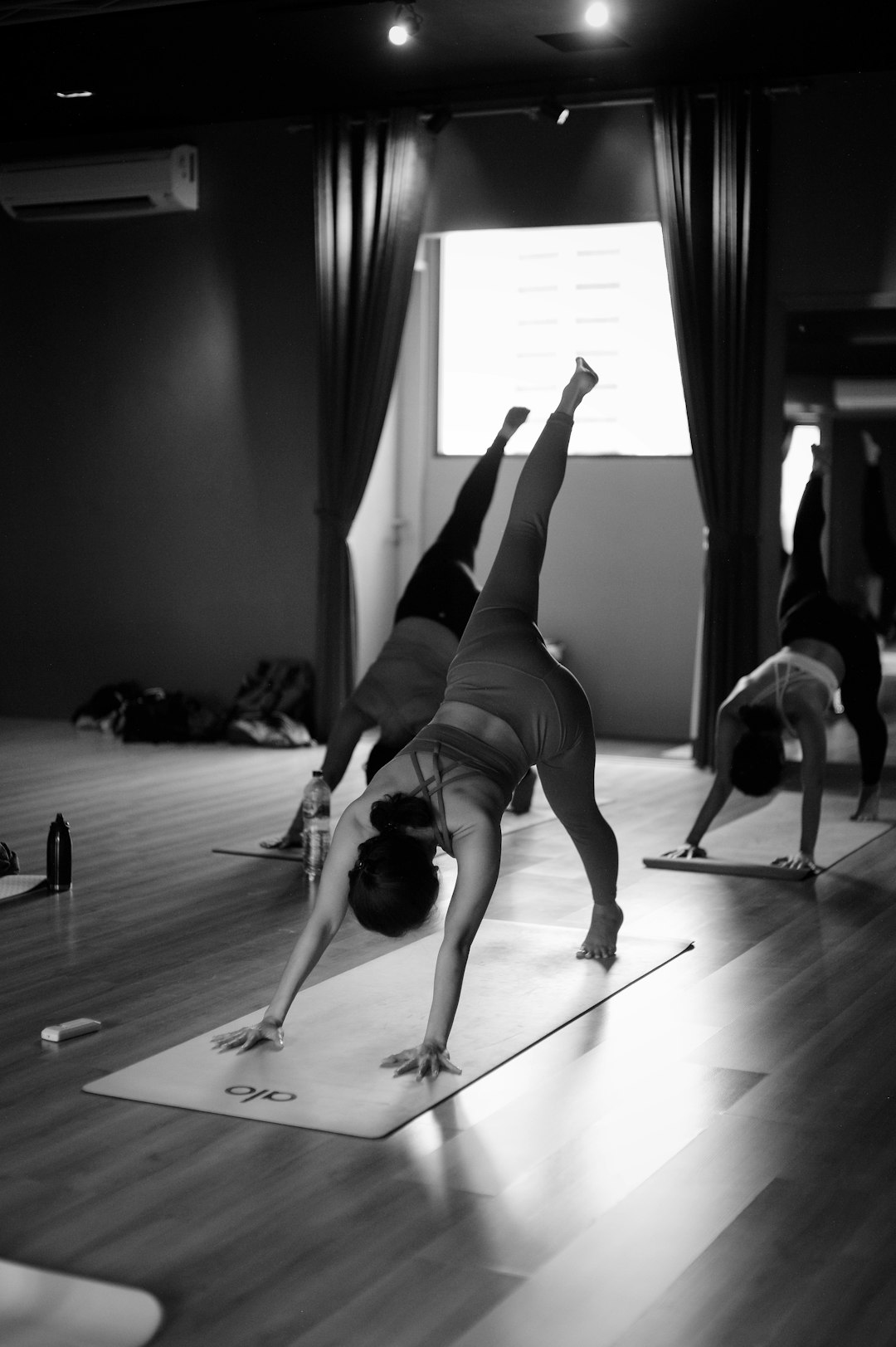
Mat Pilates uses body weight, leverage, tempo, and breathing to create resistance. Many exercises ask the trunk to remain organized while the limbs move. That can strengthen the abdominal wall, hip muscles, spinal stabilizers, and shoulders depending on the sequence.
The method is often described as gentle because it is low impact, but low impact does not mean low effort. A slow leg extension can become difficult when the pelvis must stay still. A small pulse can create significant local fatigue. A plank variation can load the shoulders and trunk without jumping or running.
Evidence reviews suggest Pilates can improve aspects of physical fitness, balance, and quality of life in different populations, although results depend on program quality and the people studied. It should not be sold as a cure all. It is one useful form of resistance and movement practice that can complement walking, aerobic exercise, and traditional strength training.
Why Mobility, Strength, and Function Belong Together
Mobility is not simply flexibility. Useful mobility combines available range with the control to use it. Strength is not only how much weight someone can lift. It also includes the ability to create and resist force through different positions. Function is the bridge between those qualities and the tasks a person wants to perform.
A well designed mat class can touch all three. Hip and spine movements explore range. Holds and slow repetitions create muscular demand. Transitions from lying to seated or kneeling positions ask for coordination. Breathing cues help participants manage tension.
For someone new to exercise, this integrated approach can feel less intimidating than navigating a gym full of machines. For an experienced athlete, it can expose control deficits that heavy training hides. The value is not that Pilates replaces every other modality. It is that it trains attention and position in a way that transfers to other movement.
Group Exercise Can Change Who Feels Fitness Is For Them
The social environment influences whether people return. A class that celebrates only the fastest or most flexible participants can make beginners feel like outsiders. A class that offers options and normalizes learning can make effort feel shared.
MOVE at the Shed was explicitly presented as a community based festival. Its schedule mixed paid classes with free programming and a conversation with Palmer. That structure lowers barriers. Someone can join a walk, watch a demonstration, take a challenging class, or spend time around the community before deciding what comes next.
Research on social connection and exercise suggests that support, belonging, and shared identity can improve motivation. The precise effect varies, but the everyday mechanism is easy to recognize. People are more likely to keep an appointment when they expect to see a friend, know the instructor, or feel noticed when they arrive.
Palmer’s role matters here because celebrity can either create distance or invite participation. By teaching on the mat and framing movement around feeling capable, she makes the public event less about observing a famous person and more about practicing alongside others.
How a Beginner Can Try the Same Approach
You do not need a festival ticket to borrow the principles. Start with a short sequence two or three times per week:
- Breathing and pelvic control: spend two minutes lying on your back with knees bent, breathing slowly and keeping the ribs and pelvis comfortable.
- Bridge: perform two sets of eight controlled repetitions, pressing through the feet without overextending the lower back.
- Dead bug variation: move one heel at a time while keeping the trunk steady for two sets of six per side.
- Side lying leg lift: complete two sets of eight per side with a small, controlled range.
- Supported plank: hold from the knees or against a bench for ten to twenty seconds, repeating twice.
Stop if you feel sharp pain, numbness, dizziness, or symptoms that seem unusual. Shorten the range or choose a more supported position when control disappears. The quality of the repetition matters more than matching someone else’s level.
Add walking or another aerobic activity across the week, and include progressive resistance training if your health and access allow. Pilates can support strength and mobility, but adults still benefit from a balanced routine that challenges the heart, muscles, and bones.
Why Appearance Free Language Can Be Powerful
Focusing on function does not require pretending appearance goals do not exist. Many people care about how they look. The useful shift is to keep appearance from becoming the only measure of success.
A person can notice that stairs feel easier, posture changes with less effort, or a once difficult transition becomes smooth. Those wins arrive during the process and help sustain motivation. They are also less vulnerable to daily weight fluctuations or unrealistic comparisons.
Palmer’s public message fits a broader move toward fitness that includes mental well being, community, and self trust. The strongest version of that message stays grounded: movement can support health and confidence, but it is not a moral test. Rest, medical care, food access, sleep, and personal circumstances also shape health.
The Best Workout Is One People Feel Welcome Returning To
The Chicago event showed how a large fitness gathering can offer intensity and inclusion at the same time. Palmer’s mat Pilates class was one part of a wider day built around choice, connection, and experimentation.
The practical lesson is not that everyone should become a Pilates devotee. It is that fitness works better when people have room to learn, adapt, and define progress through function. A controlled core drill, a community walk, or a dance class can all become a doorway into a more active life.
If a group workout feels intimidating, look for an instructor who explains options and treats modification as normal. Start where you can move well. Build strength slowly. Pay attention to what leaves you feeling more capable afterward. That is the kind of practice people can carry beyond a single event.
Get More Fitness and Wellness Stories
Join the WorkoutHealthy newsletter for practical movement guidance, research context, and celebrity fitness stories without the hype.
References
- MOVE at the Shed official 2026 event schedule
- Practice by Palmer: Core Strength, Precision and Power
- Pilates exercise and physical fitness: systematic review
- Social support and physical activity participation: systematic review
Fitness disclaimer: This article is educational and is not medical advice. Exercise needs vary with health history, pregnancy status, injuries, and experience. Consult a qualified healthcare professional before starting or changing a fitness program.