
A one dumbbell workout can combine a squat, supported row and optional curl with a bodyweight wall push-up. The important constraint is whether that one weight fits each movement, not whether you can rush through the most rounds.
The simple session below uses no floor press, overhead lift or loaded balance drill. It is an adjustable editorial example for generally healthy adults, not a tested program or a promise to build muscle and lose fat in one session.
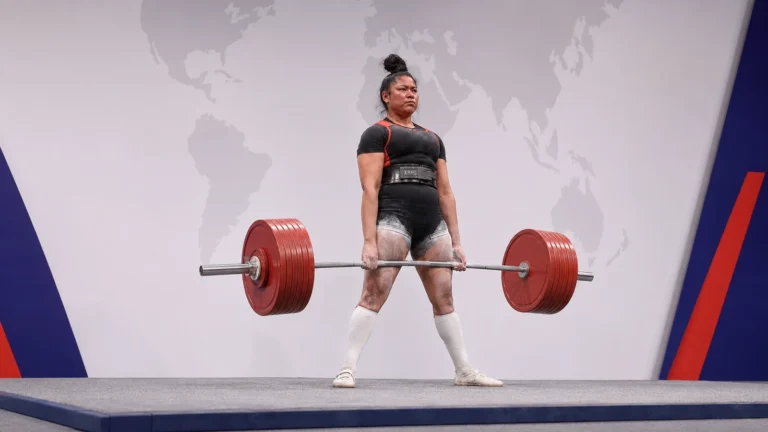
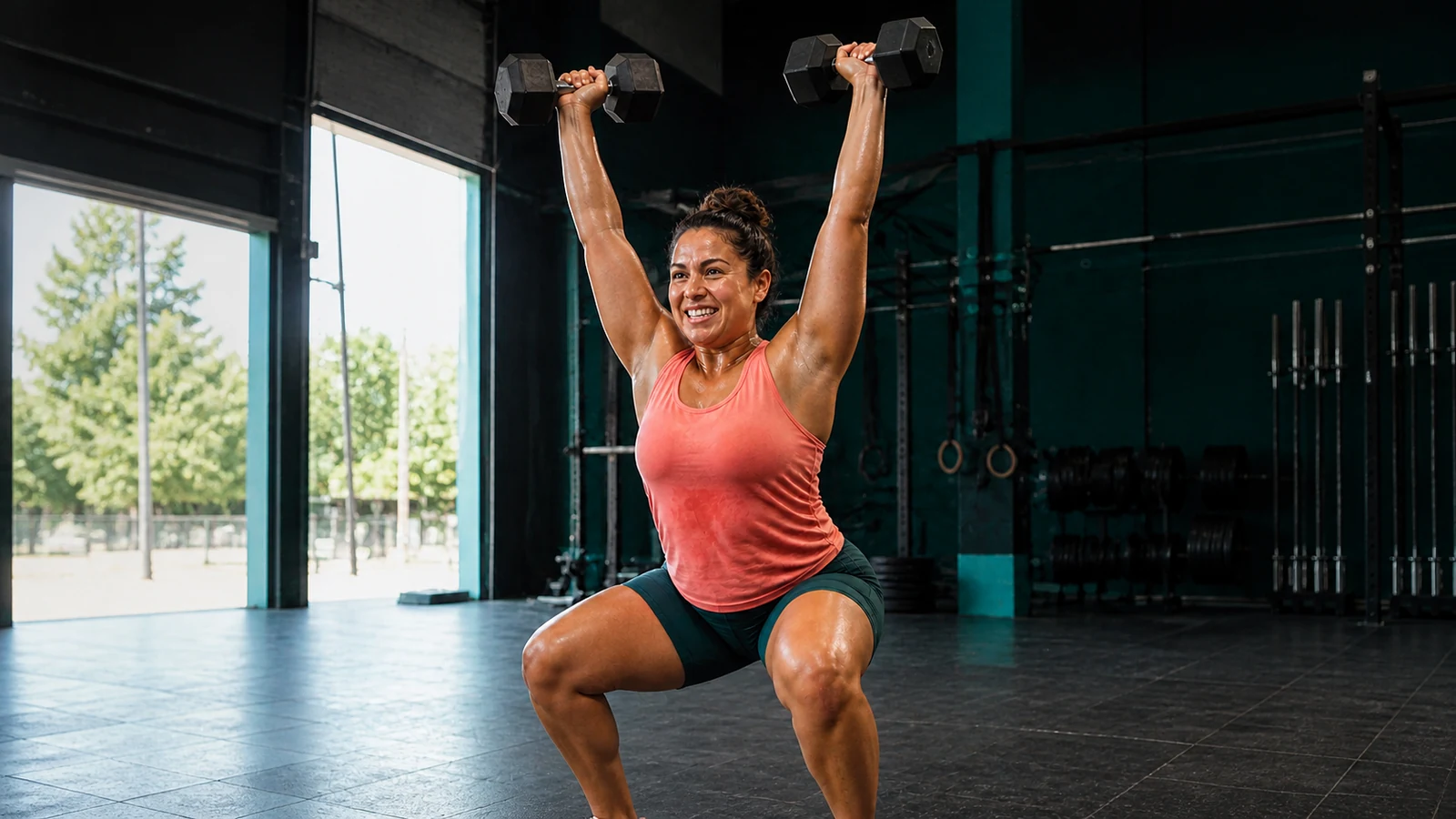
The featured image shows two dumbbells and illustrates this article’s original two-weight video context. It does not demonstrate the one-weight session below.
A simple one dumbbell workout at a glance
You need one dumbbell, a clear floor, a wall and a stable exercise bench for the supported row. “One dumbbell” describes the weight requirement; this version is not a no-support or equipment-free workout.
Begin with easy movement and unloaded practice of the exercises. If a setup is unfamiliar, learn it with a qualified trainer before adding weight.
| Exercise | Example set | What to check |
|---|---|---|
| Goblet squat | 8 to 12 controlled repetitions | The dumbbell stays secure at chest height; use a comfortable depth. |
| Wall push-up | 5 to 10 controlled repetitions | The body stays steady; no dumbbell is needed. |
| Supported one-arm row | 8 to 12 repetitions on each side | The bench is stable and the torso does not rotate to lift the weight. |
| Optional one-arm curl | 8 to 12 repetitions on each side | The weight suits the curl without swinging. Omit it if the available dumbbell is too heavy. |
One set of each exercise makes one round. Begin with one round, rest between movements until you can perform the next set with control, and leave an additional round for a later session if the first is already enough.
The repetition ranges are practical examples, not instructions to force a minimum count. Stop the set when you cannot repeat the movement well; a different weight or exercise may be needed.
Check whether one fixed weight actually fits
A weight that is manageable for a row can be too heavy for a curl and too light to challenge your legs. Do not choose a dumbbell from the squat alone and assume every upper-body exercise must use it.
| What you find | What to do |
|---|---|
| You cannot hold the goblet position securely. | Practice an unloaded squat or use a lighter weight; do not improvise an unstable grip. |
| The row requires torso twisting or a sudden pull. | Use a lighter dumbbell and review the setup. A heavy weight is not made suitable by shortening the set. |
| The curl requires swinging. | Omit the optional curl or use a lighter weight if available. |
| The squat is easy while the row is suitably challenging. | Recognize the fixed-weight limit. Keep this session for what it provides rather than calling easy leg work a heavy strength stimulus. |
| You cannot set up the supported row on a stable bench. | Do not replace it with an unstable chair or a balance drill. Learn another suitable pulling option with a trainer. |
If the only dumbbell available is unsuitable for the row or squat, this exact session is not a good fit yet. Having one weight does not mean every possible one-weight routine is appropriate.
How to perform the four movements
1. Goblet squat
Hold the dumbbell vertically at your chest with both hands and a secure grip. Bend at the hips and knees to a comfortable squat depth, then stand while keeping the weight close.
NASM’s goblet-squat instructions describe the chest-height hold and controlled squat pattern. They do not establish that every person should use the same depth, load or program.
Keep your feet planted and avoid using a bounce to finish the repetition. Practice without the weight first if holding it changes the movement into something you cannot control.
2. Wall push-up
Stand facing a wall and place your hands against it around chest height. Bend the elbows to move toward the wall, then press back while keeping the trunk steady.
The NHS strength-exercise guide illustrates wall press-ups and curls.
3. Supported one-arm row
Use a stable exercise bench to support one hand and the same-side knee, with the other foot on the floor. Hold the dumbbell in the free hand, keep your back position steady and draw the elbow back without turning the torso.
Lower under control, finish the set, set the weight down and change sides. Match the controlled repetitions on the two sides rather than adding rushed reps to one.
The American Council on Exercise’s single-arm row entry details this supported setup.
4. Optional one-arm curl
Stand comfortably with the dumbbell at your side, bend the elbow to raise it, then lower with control. Keep the upper arm near your side rather than swinging your trunk to move the load.
Perform one side, put the weight down under control and switch. The curl is optional arm work, so omitting an unsuitable load does not require replacing it with a more complicated exercise.
Record both sides and the load fit
Use the same exercise order and setup when comparing sessions. A higher rep count after changing the row support or shortening the squat is not the same task.
| Record | Your entry |
|---|---|
| Date, dumbbell weight and rounds | ____ |
| Squat repetitions and range note | ____ |
| Wall push-up repetitions and foot position | ____ |
| Row repetitions, left and right | ____ / ____ |
| Curl repetitions, left and right, or omitted | ____ / ____ |
| Which exercise the weight did not fit | ____ |
| One next choice: repeat, add reps or change the setup/load | ____ |
A repeated controlled session can be useful progress while you learn the movements. Add only one demand at a time rather than changing repetitions, rounds, resistance and rest together.
Our complete training program audit helps place this small session in the rest of your week. Four exercises are not a claim that every training need or muscle group has been fully covered.
Can one dumbbell build muscle and reduce body fat?
It can provide resistance for training, but the equipment count does not predict a body-composition result. Nor does a fast heartbeat establish that one session built muscle or changed body fat.
The ACSM resistance-training overview separates outcomes such as strength, muscle growth and endurance. Judge the training by its goal and progression rather than calling every demanding circuit a recomposition program.
One four-week trial in 40 young men found greater lean-mass gain and fat-mass loss with higher versus lower protein during a large energy deficit and six training days a week. It did not test this workout, and lean body mass is not a direct measure of muscle alone.
You do not need to copy that diet or training volume to use a dumbbell. Seek qualified individual nutrition advice when needed rather than turning a study protocol into a personal calorie or protein target.
Where the original two-dumbbell video fits
The growwithjo video that inspired the original article uses two dumbbells in a different session. The featured two-weight image is context for that format, not a photo of the four exercises above.
Make the weight serve the session
Use the movements you can perform with a suitable load, record both sides and acknowledge when one dumbbell is limiting an exercise. More rounds cannot solve every load mismatch.
Stop for pain and seek individual guidance for an injury, ongoing symptoms or a medical condition. The next useful step may be a lighter weight, more suitable resistance or instruction, rather than a harder-looking movement.
Get the next evidence check.
Five practical fitness stories worth your time, every Friday.
One email a week. No product pitches. Unsubscribe in one click.
Sources
- NASM: goblet-squat exercise instructions.
- American Council on Exercise: supported single-arm row.
- NHS: wall press-up and curl instructions.
- ACSM: resistance-training outcomes overview.
- Longland et al. (2016): protein, intensive training and body-composition trial.
Medical disclaimer: This article is general fitness information, not medical advice. If you have an injury, ongoing pain or a medical condition, talk to a doctor or physical therapist before changing how you train.