
By Chris Pruitt, Certified ASFA Personal Trainer
Bethenny Frankel says she is taking exercise more seriously at 55. The surprising part of her new fitness routine is its restraint. After past trainer-led workouts left her counting the minutes, she hired someone whose approach fits what she is willing to repeat: 45-minute sessions that can include light weights, strength work, stretching, and yoga.
She had completed just four workouts when she shared the update in early October 2026. That makes this a new plan, not a proven long-term transformation. But her reasoning offers a useful look at how to make a workout routine more realistic.
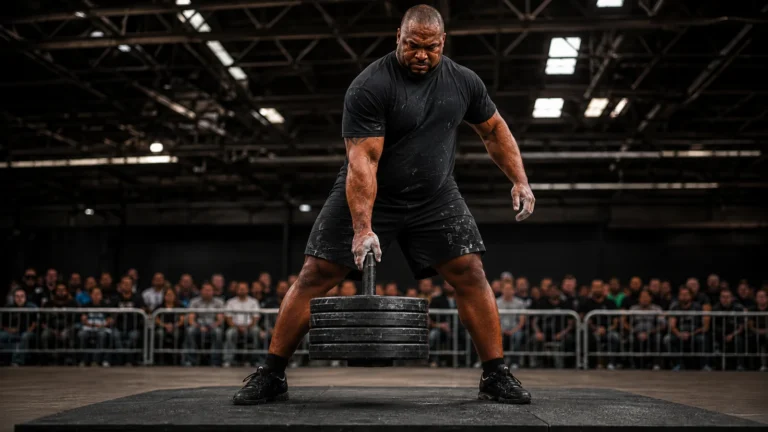
Image note: The featured image is AI-assisted editorial artwork inspired by Frankel’s shared padel photo. It does not document a separate training session.
Why did Bethenny Frankel hire a new trainer?
In an October 1 Instagram video described by PEOPLE, Frankel said previous trainers pushed sessions that felt too intense or mismatched to her preferences. She said she would start watching the clock after about 20 minutes.
Rather than look for the toughest trainer available, she sought someone comfortable mixing yoga, light weights, strength, and stretching. She wanted the session to last about 45 minutes, because a longer one felt unappealing to her. She also said she related to a trainer with a similar body type. That was her personal preference, not a rule everyone needs to follow when choosing a coach.
There is a practical distinction here: a trainer can still teach proper technique and build progression while respecting the time and intensity a client can manage. The plan has to challenge the person enough to move forward, but it also has to be something they will return to.
What does her new fitness routine include?
Frankel described varied gym sessions rather than a published list of exercises, sets, or weights. She said the workouts are reasonable and do not involve a “crazy number of reps.” She also walks for cardio, and she shared that she tried padel with her daughter. Swimming, snowboarding, and wake surfing were among the activities she said she enjoys or wants in the mix.
Her stated goal is to exercise three or four times a week while continuing her walks. Those are plans she shared after four days, not a verified record of months of training. No public source reviewed here supplies her precise strength program, pace of progression, or measurable results.

Why 45 minutes might work for her
Forty-five minutes is Frankel’s preferred limit, not a scientifically required session length. A shorter workout can leave room for a warm-up, several strength movements, and a little mobility work. A longer one can be useful too, if it fits the person and the goal. The important point in her story is that she chose a duration she does not dread.
The Physical Activity Guidelines for Americans recommend that adults build toward 150 to 300 minutes of moderate aerobic activity each week, plus muscle-strengthening activity on at least two days. The guidelines also say inactive people can start with small amounts and build up. They do not require every session to last 45 minutes or every day to look the same.
Her walking and padel may add enjoyable movement, while resistance work addresses a different part of fitness. The amount and intensity needed depend on the individual; a social-media video cannot show whether someone meets weekly activity recommendations.
How to borrow the useful idea without copying her plan
If previous workouts left you avoiding the next session, use her story as a prompt to review the friction:
- Set an honest time limit. Pick a session length that fits your schedule and attention. You can add time later if the routine becomes easier to maintain.
- Tell a trainer what you dislike. Say whether you need clearer instruction, a slower start, more variety, or fewer exercises. A qualified coach should adapt the plan and explain why it changes.
- Include strength and activity you enjoy. Walking or a racket sport can complement resistance training. One does not have to replace the other.
- Judge progress over weeks, not four days. Early enthusiasm is useful, but consistency, appropriate progression, and recovery show whether a plan fits your life.
Those are editorial takeaways, not a description of Frankel’s exact workout. Anyone returning after a long break, managing pain, or dealing with a health condition may need a more individualized starting point.
What to ask a trainer before you start
Frankel’s experience puts trainer fit at the center of the story. A first conversation can be simple: What do you want to be able to do? How much time can you give each week? Which movements feel good or uncomfortable? What will the first month look like, and how will the trainer adjust it?
Credentials and coaching skill matter more than whether the trainer looks like you. But feeling heard matters too. If every session ignores your stated limits, that is useful feedback to bring up before giving up on exercise altogether.
The takeaway
Bethenny Frankel has not announced a dramatic fitness result. She has described a fresh start: a trainer she feels aligned with, 45-minute mixed sessions, walking, padel, and a goal of training three or four times weekly. The most honest lesson is that an exercise plan has a better chance of becoming a habit when it fits the person doing it. Whether this one lasts is something only time can show.
Sources
- Shultz CL. Bethenny Frankel, 55, Hires Trainer for Fitness Journey. PEOPLE. October 2, 2026.
- Frankel B. Instagram fitness journey video. October 1, 2026. Linked from PEOPLE’s report.
- U.S. Department of Health and Human Services. Physical Activity Guidelines: Questions & Answers. Accessed October 2026.
For more on pairing everyday movement with resistance work, see our cardio and strength training guide.