
Learning a movement and choosing treatment are different tasks. This guide keeps exercise descriptions, clinical guidance and questions about your own plan together.
Use the comparison table to recognize each movement, then read its source instructions. The record below helps you note questions about the plan you were given.
If you have a new injury, recent surgery, significant swelling or unexplained symptoms, get individual advice before adding a routine.
Why would a knee exercise plan include the hip?
The 2019 patellofemoral pain clinical guideline recommends combined hip- and knee-targeted exercise for people with that diagnosis. It describes a condition assessed using the symptom pattern and the exclusion of other causes of front-of-knee pain.
That is guidance for assessed patellofemoral pain, not evidence that every painful knee is a hip problem. It does not establish that clamshells alone correct kneecap tracking or replace knee exercise.
Exercise studies in osteoarthritis concern another population. Their results cannot validate a kneecap-pain plan after surgery or injury.
Three hip exercises: how their movements differ
| Exercise | Movement to recognize | Practical consideration |
|---|---|---|
| Clamshell | Bent knee opens; feet together. | Side-lying position. |
| Bridge | Hips lift with feet supported. | Lying surface and access. |
| Side-lying leg raise | Straight upper leg lifts. | Different from a bent-knee opening. |
These descriptions do not establish a treatment protocol.
1. Clamshell
Cambridge University Hospitals’ leaflet describes this movement. Lie on your side with knees bent and feet together, slowly open and lower the upper knee without rolling the trunk or pelvis backward.
Its repetition and hold fields are blank for individual completion.
2. Bridge
The same leaflet describes lying on your back with knees bent and feet hip-width apart. Tighten the buttocks, lift the hips with the back straight and pelvis level, then lower with control.
3. Side-lying leg raise
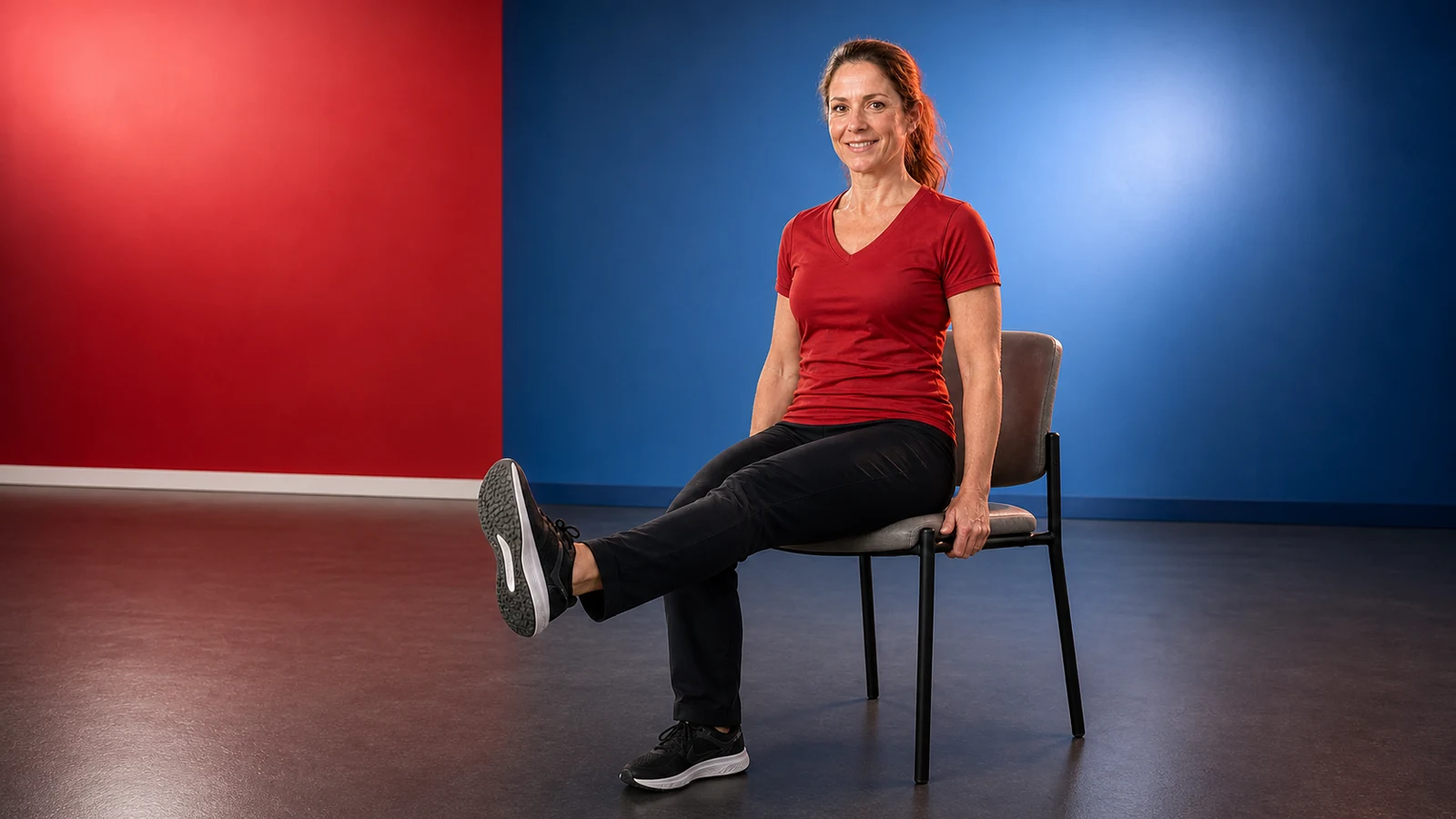
The AAOS knee-conditioning guide describes hip abduction: lie on your side, lower knee bent. Lift the straight upper leg toward 45 degrees without locking its knee or rotating the leg.
Hold five seconds, lower slowly, then rest briefly.
How many should you do?
For each assigned movement, confirm the side, repetitions, hold, resistance, rest and frequency. A missing instruction is a question to resolve, not a reason to borrow another person’s numbers.
A ten-minute label describes time, not the fit of a treatment plan. Check the actual movement and amount rather than assuming that a shorter routine answers every question.
Do not mix pain rules from different guides
AAOS advises doctor’s supervision and says its exercises should not hurt. NHS inform’s knee guide uses a different pain-rating approach.
NHS inform generally advises keeping exercise pain at 0 to 5 out of 10 and checking that existing pain is no worse the next morning. It also says to stop exercises that worsen symptoms or cause new pain.
Follow the rule attached to your own care, rather than combining these instructions into permission to continue. A pain number does not diagnose the cause or measure joint damage.
A record that keeps the actual exercise visible
Keep the movement and the dose together when recording an assigned exercise. “I did bridges” leaves out the setup, amount and response that make a follow-up discussion useful.
| Record | What to write down |
|---|---|
| Plan and movement | Who supplied the instructions, exercise name and side. |
| Setup | Lying position, surface, support and any prescribed resistance. |
| Amount | Assigned and completed repetitions, holds, sets and frequency. |
| Response | What happened during the movement and afterward, following your care team’s monitoring instructions. |
| Unresolved question | What needs checking before a new variation or progression. |
For example, a fictional reader records a clamshell but realizes that the hold time was never specified. The next step is to clarify the instruction, rather than assuming that a longer hold must be better.
This is a communication example, not a patient result or a progression algorithm. No particular entry proves a weak muscle caused the knee pain.
What the research can and cannot promise
A 2026 review by Contreras-Mora and colleagues included 15 randomized trials with 1,002 participants who had patellofemoral pain. Hip and knee programs both outperformed no intervention, and combined programs showed consistent overall clinical benefits.
However, the authors found insufficient evidence that one strengthening strategy had a clear overall advantage. Those findings support exercise-based care, not this exact three-exercise selection or the claim that hip work is always best.
For knee osteoarthritis, the 2024 Cochrane review included 139 trials and 12,468 participants. Exercise may improve pain and function, but the clinical importance of average benefits was uncertain and confidence in results was low to moderate.
Programs varied in type and duration, from 2 to 104 weeks. The review did not find clear differences in effects between exercise types, so it cannot identify one hip movement as the best treatment for everyone.
Neither finding proves cartilage regrowth, surgery avoidance or that a short online routine will resolve an individual’s pain. Use the evidence to discuss an appropriate plan rather than to promise an outcome.
When exercise instructions are not the next step
NHS knee-pain guidance recommends urgent assessment for a very painful knee, inability to move it or bear weight, major swelling or shape change, locking or giving way, or fever with a red or hot knee. These signs should not be explained away as weak hips.
Ongoing pain or difficulty with daily activities also deserves individual advice. Hip strengthening may belong in the plan, but choosing that plan begins with the person and condition, rather than an exercise name.
Sources
- Cambridge University Hospitals: general stability exercise leaflet.
- AAOS OrthoInfo: knee-conditioning program.
- Willy et al. (2019): patellofemoral pain clinical practice guideline.
- Contreras-Mora et al. (2026): hip and knee strengthening review.
- Lawford et al. (2024): exercise for knee osteoarthritis.
- NHS inform: knee exercise guidance.
- NHS: knee pain and when to seek help.
Medical disclaimer: General information, not diagnosis or rehabilitation prescription. Follow your clinician’s exercise plan, including restrictions after injury or surgery.