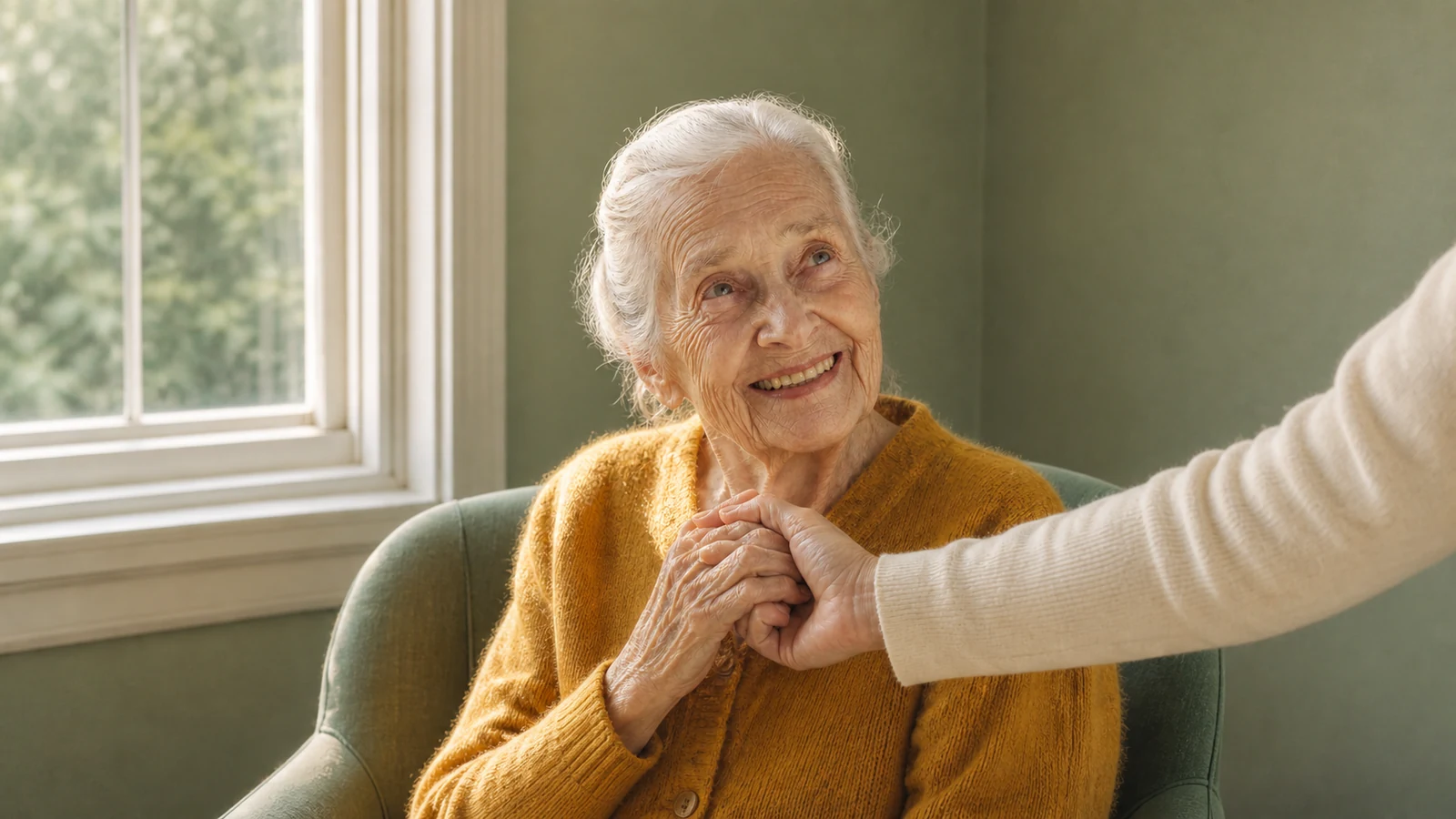

A 104 year old woman recently shared her take on healthy aging, and it wasn’t a diet plan or a workout routine.
She pointed to something bigger: staying connected to people and holding onto a sense of purpose.
What She Said
Diet and exercise get most of the credit for a long healthy life, and they matter.
But her story points past those basics to relationships, community, and a positive outlook as forces that worked alongside her healthy habits rather than replacing them.
What the Research Actually Shows
A large meta-analysis pooled data from 148 separate studies covering more than 300,000 participants to look at how social relationships affect the odds of dying over a given follow-up period (Holt-Lunstad, Smith, & Layton, 2010).
People with stronger social relationships had a 50 percent higher likelihood of survival across that follow-up period compared to those with weaker ones.
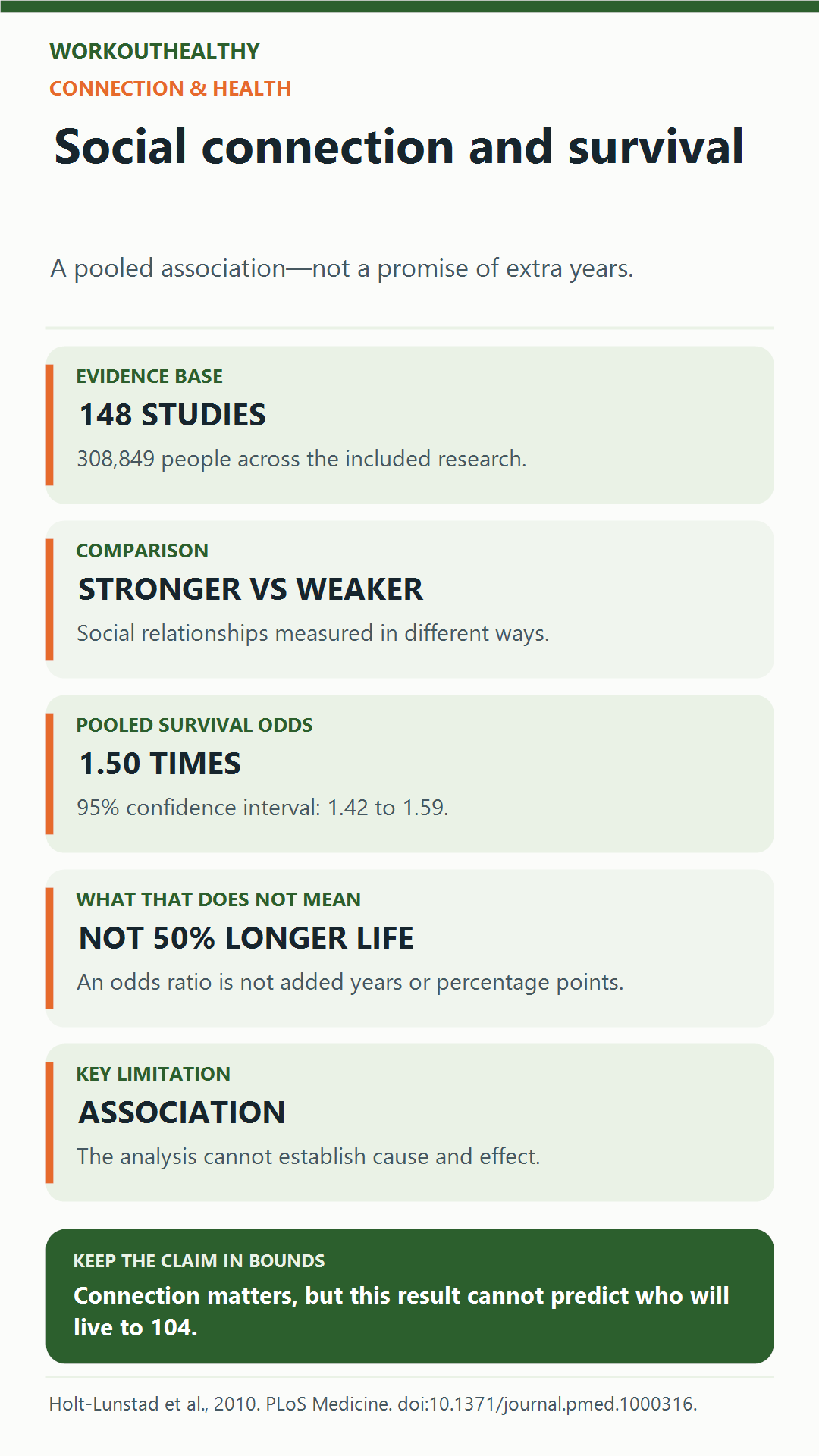
The researchers found that the size of this effect was comparable to well established risk factors like smoking, and larger than the effect of several other widely recognized health risks, including physical inactivity and obesity.
A meta-analysis of 300,000 people found that weak social ties predicted an earlier death about as strongly as smoking does. That’s not a soft, feel good finding. That’s a real risk factor.
Why Connection and Purpose Affect the Body
It would be easy to assume this is just a case of healthier people naturally socializing more, but a closer look at the biology suggests something more direct is going on.
A later review from much of the same research team focused specifically on loneliness and social isolation and found the same basic pattern (Holt-Lunstad, Smith, Baker, Harris, & Stephenson, 2015).
That review pointed to two kinds of pathways connecting isolation to poor health. One is behavioral.
People who are isolated are more likely to smoke, stay physically inactive, and sleep poorly, three habits that already carry their own health risks.
The other pathway is biological.
The same review linked isolation and loneliness to higher blood pressure, higher levels of C reactive protein, a marker of inflammation in the blood, poorer lipid profiles, and weaker immune function.
The researchers also compared the size of this risk to a familiar benchmark.
They found the mortality risk tied to social isolation was similar in size to the risk carried by grade 2 or grade 3 obesity, the categories used for more severe obesity, and greater than the risk from obesity in general.
None of these single biological changes are large on their own in any one week.
But blood pressure and inflammation that stay slightly elevated for years, rather than months, are the kind of slow changes that show up later as heart disease, stroke, or a shortened lifespan.
The Purpose Half of the Equation
A sense of purpose is the other half of what the 104 year old woman pointed to, and it has its own separate body of research.
A study published in JAMA Network Open followed a large sample of American adults older than 50 and scored how strongly each person felt their life had direction and meaning (Alimujiang et al., 2019).
People with the lowest sense of purpose had more than twice the risk of dying during the study’s follow up period compared with people who scored at the top of the scale, a hazard ratio of 2.43.
The risk climbed in a stepwise way, so each drop in purpose score lined up with a further increase in mortality risk.
This association held up even after the researchers accounted for depression, other psychological factors, and existing chronic health conditions.
That matters because it suggests purpose is not simply a stand in for good mental health or the absence of illness.
It’s also worth noting how purpose was measured.
The studies behind this finding usually ask simple questions about whether a person feels their life has direction and meaning, not whether they’ve achieved anything extraordinary.
A grandmother who feels needed by her family can score just as high as someone with a public accomplishment.
Why This Doesn’t Replace Diet and Exercise
None of this means physical habits stop mattering.
The researchers were clear that social connection works alongside good habits, not instead of them.
A person eating well, staying active, and maintaining close relationships is stacking several real protective factors at once, rather than picking just one.
What the research adds is a reason to take relationships and purpose seriously as health decisions, not just as nice to have extras that come after diet and exercise are handled.
What This Research Cannot Prove
It’s worth being honest about the limits of these findings.
Both the connection research and the purpose research come from observational studies, meaning researchers tracked people over time rather than randomly assigning some people to be more social or more purposeful and others less so.
That design cannot fully rule out reverse causation.
People who are already healthier and more energetic may simply find it easier to stay social and stay engaged, which could inflate how strong the connection itself looks in the data.
The size of the effect also varies from study to study.
A meta-analysis pools different definitions of social connection and different populations, which is a strength for showing that the overall pattern holds broadly, but it means no single number applies precisely to any one person’s situation.
Finally, one 104 year old woman’s story is not proof of anything by itself.
Genetics, access to healthcare, and a lifetime of other choices all played some role in her case too.
What the larger studies add is evidence that her instinct about connection and purpose lines up with a pattern seen across hundreds of thousands of people, not a guarantee about what any specific number of friends or hobbies will do for any one person.
Purpose is not just a mood. In the data, it behaves like a measurable health habit, one that predicted who was still alive years later about as reliably as some medical risk factors do.
Common Mistakes People Make
One common mistake is treating texts or occasional social media contact as a full substitute for in person connection.
Digital contact can help maintain a relationship between visits, but most of the research behind these findings measured real world social integration and support, not screen time.
Another mistake is waiting for an exciting new social circle before doing anything.
Depth in even one or two relationships appears to matter more than the size of a social circle, so maintaining the relationships someone already has is often more valuable than searching for new ones.
A third mistake is assuming more contacts automatically means better protection.
The research points to consistency and depth, not a headcount, so a person with three close relationships they can rely on may be better off than someone with dozens of casual acquaintances.
A fourth mistake is letting purpose quietly disappear after a job ends.
Retirement removes a built in source of daily purpose and routine social contact for many people, and without something intentional to replace it, both can fade away at the same time.
Who Should Be Cautious or Get Extra Support First
None of this research suggests that social connection is a treatment for clinical depression, anxiety, or grief.
Someone dealing with a diagnosed mental health condition should keep working with a doctor or therapist, and building social ties should sit alongside that care, not replace it.
People recovering from the loss of a spouse or close friend, or whose isolation comes from a health condition or limited mobility, often need more structured support to rebuild connection than general advice can offer.
A social worker, a grief counselor, or a local senior center can help find realistic options when isolation has a specific cause behind it.
Social anxiety can also make “just be more social” unhelpful advice on its own.
Lower pressure formats, a phone call instead of a group event, or a structured activity like a class or volunteer shift instead of open ended mingling, tend to work better for someone who finds socializing draining.
Sudden withdrawal from people or activities someone used to enjoy can also be a symptom of an underlying medical issue, including hearing loss, chronic pain, or depression itself.
That kind of change is worth mentioning to a doctor rather than treating as something willpower alone should fix.
Practical Ways to Build This In
Regular contact with family or friends, a role in a community group, or ongoing volunteer work all give people the kind of steady connection and purpose the research points to.
It doesn’t have to be a large social circle.
Consistency and depth in a smaller number of relationships appears to matter more than sheer numbers.
A More Detailed Plan for Building Connection and Purpose
A simple way to start is to pick one relationship and one activity, rather than trying to overhaul an entire social life at once.
Reaching out to the same friend or family member on a set day each week, even for a short phone call, builds the kind of consistency the research points to.
For purpose, look for activities that come with actual responsibility attached.
It appears to be the sense of being needed or depended on that matters, not the specific task.
A volunteering shift with a set schedule, caring for a pet, or a small ongoing project someone else expects to see finished can all provide that.
Community groups often work especially well because they combine both goals at once.
A weekly class, a faith community, a walking group, or a hobby club builds regular contact with the same familiar people, which is the kind of ongoing structure that seems to matter more than meeting new people just once.
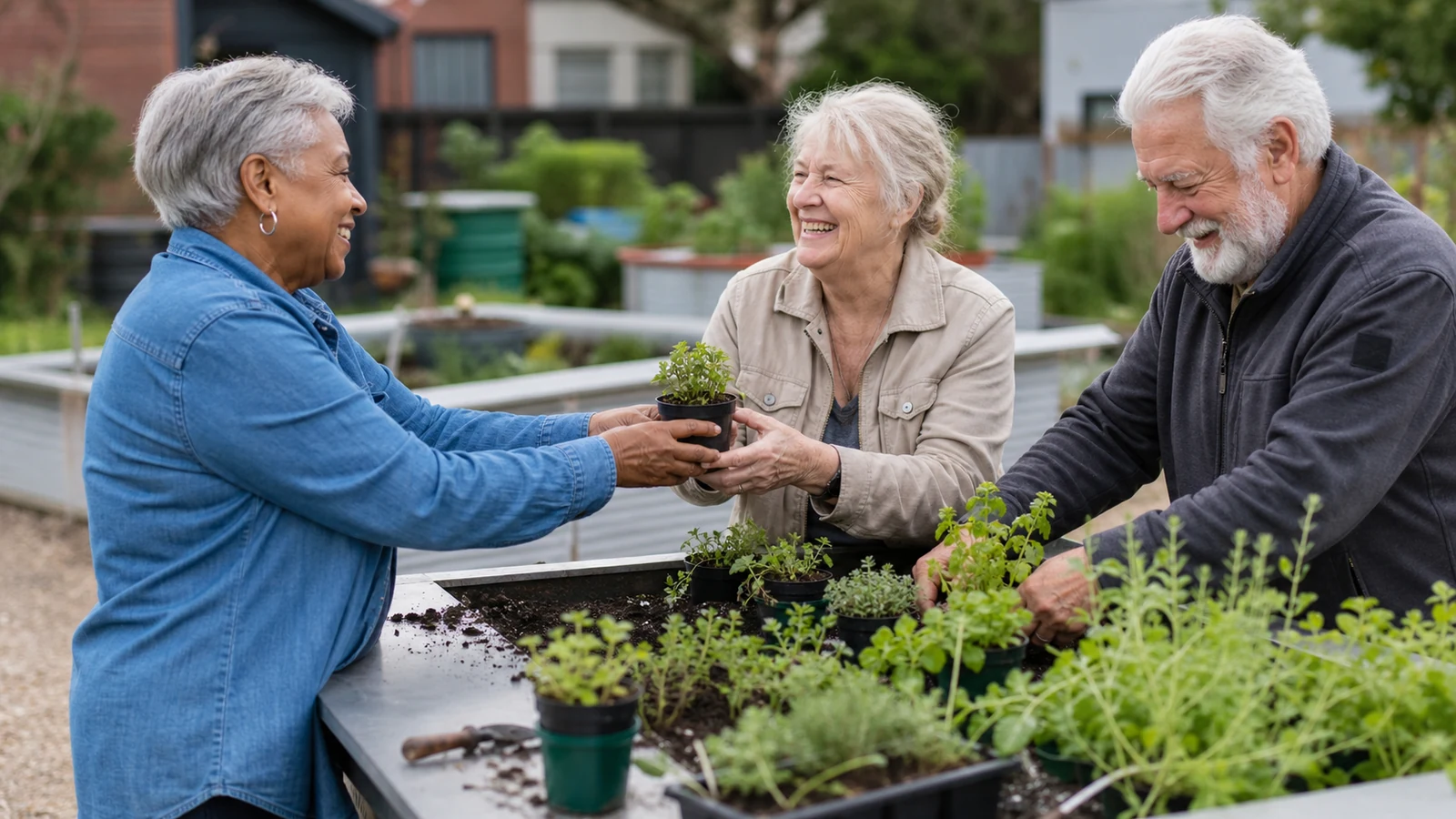
Progress here tends to be slow and steady rather than dramatic.
Start with one weekly contact and one small responsibility, hold that pattern for a month, and only then consider adding a second activity.
Building the habit gradually makes it more likely to stick for years, which is the timescale the research actually measured.
To tell if it’s working, most people notice a few specific signs rather than one big change.
Looking forward to a regular meetup, feeling comfortable asking someone for a small favor, or having at least one person who would notice if a day or two went by without contact are all good signs that real support is building.
For more on the research behind long, healthy lives, see our article on what a declining sense of smell can reveal about mortality risk, our piece on what daily step counts show about mortality risk, and our profile of Edith Connor, the Guinness record holder for oldest female bodybuilder.
Watch the Original Video
Get the next evidence check. Subscribe to WorkoutHealthy Insider for practical explanations behind popular fitness claims.
References
Alimujiang, A., Wiensch, A., Boss, J., Fleischer, N. L., Mondul, A. M., McLean, K., Mukherjee, B., & Pearce, C. L. (2019). Association between life purpose and mortality among US adults older than 50 years. JAMA Network Open, 2(5), e194270. https://doi.org/10.1001/jamanetworkopen.2019.4270
Holt-Lunstad, J., Smith, T. B., & Layton, J. B. (2010). Social relationships and mortality risk: A meta-analytic review. PLoS Medicine, 7(7), e1000316. https://doi.org/10.1371/journal.pmed.1000316
Holt-Lunstad, J., Smith, T. B., Baker, M., Harris, T., & Stephenson, D. (2015). Loneliness and social isolation as risk factors for mortality: A meta-analytic review. Perspectives on Psychological Science, 10(2), 227 to 237. https://doi.org/10.1177/1745691614568352
This article is for general information only and is not medical advice. If you have an injury, ongoing pain, or a medical condition, talk to a doctor or physical therapist before you change how you train or eat.