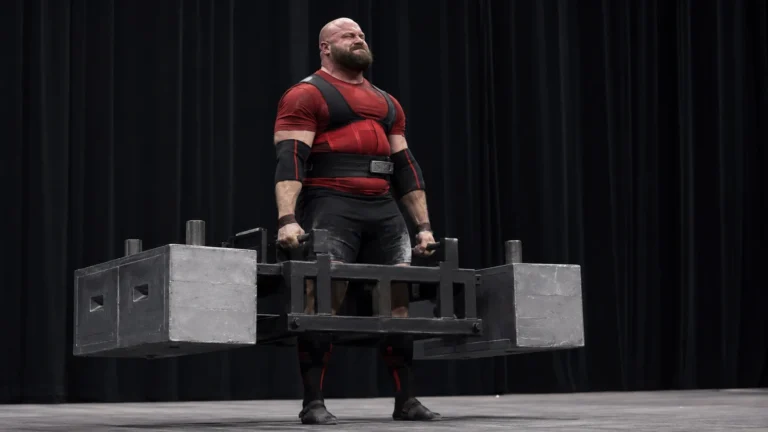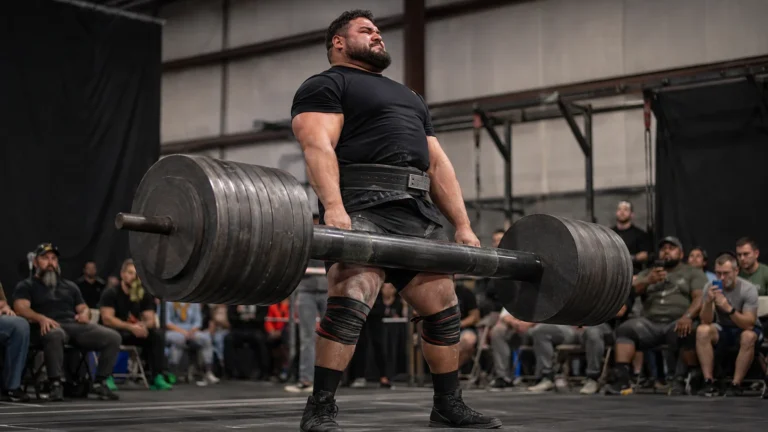

Running vs weightlifting is a choice of emphasis, not a contest with one winner. Running is a direct way to train aerobic fitness, while weightlifting is a direct way to build strength and muscle; most adults benefit from some of each.
Choose your starting point by the outcome you care about, the activity you can repeat, and how your body responds. A small WorkoutHealthy Facebook discussion prompted this comparison, but its comments cannot tell us which exercise is best for everyone.
The useful question is which activity fills the gap in your current week.
Running vs weightlifting: a quick decision table
| Your main goal or constraint | Where to start | What to add or watch |
|---|---|---|
| Finish a run or improve aerobic endurance | Build a gradual run or run-walk routine. | Keep two strength sessions if practical; increase running gradually rather than chasing speed every day. |
| Get stronger or add muscle | Use progressively challenging full-body strength work. | Add running, brisk walking, cycling, or another aerobic activity that you can recover from. |
| Manage body weight | Pick the activity you can sustain and consider both modes. | Training type alone does not determine weight change; food intake and the amount of activity matter. |
| Running causes symptoms | Reduce or pause the painful activity and find a tolerable aerobic option. | Do not assume lifting treats the cause; persistent or worsening symptoms deserve clinical advice. |
| You enjoy only one | Keep the activity that gets you moving. | Look for a small, tolerable way to cover the missing aerobic or strength work. |
These are starting choices, not diagnoses or prescriptions. The CDC’s adult guidance calls for at least 150 minutes of moderate aerobic activity or 75 minutes of vigorous activity each week, plus muscle-strengthening work on two days.
What the evidence says, and what it does not
Running can count toward the aerobic side when its intensity is high enough, while lifting gives muscles a specific progressive challenge. Neither mode automatically replaces the other part of the CDC recommendation.
For weight management, an eight-month randomized trial assigned 119 sedentary adults with overweight or obesity to aerobic training, resistance training, or both. The aerobic and combined groups lost more body and fat mass than the resistance-only group, while the resistance and combined groups gained more lean mass than the aerobic-only group.
That trial compared exercise programs, not running against every form of weightlifting, and the combined plan took more time. Its value here is to show why the answer changes with the outcome measured rather than declaring one exercise universally better.
A separate 2023 resistance-training review found that multiple lifting prescriptions produced muscle growth compared with no training. If adding muscle is your chief aim, a measurable strength progression is a clearer tool than simply running farther.
A sample week that uses both
This is an adjustable example for someone already able to exercise comfortably, not a universal starting dose. Easy sessions should feel easy enough that the next planned workout remains practical.
- Monday: Full-body lifting, with a squat or sit-to-stand, hinge, push, pull, and core exercise.
- Tuesday: Comfortable run or run-walk for 20 to 25 minutes.
- Wednesday: Rest or relaxed walking.
- Thursday: Full-body lifting, repeating the movement patterns with manageable loads.
- Friday: Comfortable run or run-walk for 20 to 25 minutes.
- Saturday: Longer easy run, walk, or cycle as time and recovery allow.
- Sunday: Rest or easy movement.
Count actual moderate and vigorous minutes rather than assuming every minute of a run-walk meets the CDC target. Add time gradually, and place a harder run or heavier lift when you are fresh enough to do it well.
If your goal is a race, shift more of the week toward running while maintaining strength. If it is muscle growth, prioritize lifting quality and keep the aerobic work at an amount you can recover from.
When joints change the choice
A runner with painful knees or hips may reasonably try walking, cycling, swimming, or a lower running dose while getting the symptoms assessed. Lifting can help build strength, but it is not a guaranteed fix for pain or an automatic substitute for aerobic training.
Equally, the idea that recreational running inevitably ruins knees is not supported by the evidence. A systematic review of running and hip or knee osteoarthritis found lower observed osteoarthritis prevalence in recreational runners than in controls, while warning that these observational comparisons cannot establish cause.
Choose the activity your joints tolerate today and seek qualified care for persistent pain, swelling, or a recent injury. The goal is a sustainable routine, not pushing through a symptom to win an exercise debate.
What our Facebook thread showed
Our April 2024 Facebook question asked readers which they preferred. The original post image remains below so readers can see the prompt and visit the discussion.

Comments described reasons such as enjoyment, strength goals, and trouble tolerating running, and some readers preferred combining activities. These are audience anecdotes from a self-selected thread, not a scientific survey or evidence that one activity prevents injury.
The earlier article displayed exact preference and switching percentages without a retained comment denominator or coding record. We cannot independently reproduce those figures, so they no longer appear in the headline, charts, or decision advice.
For more depth on related questions, see our evidence reviews of strength training and brain health and daily steps and mortality.
The bottom line
Choose running when aerobic performance is the immediate goal, and choose lifting when strength or muscle is the immediate goal. For general health, combine aerobic and muscle-strengthening work in a way you can repeat and adjust for symptoms, schedule, and enjoyment.
References and correction
- CDC adult physical activity guidelines.
- Willis and colleagues’ randomized aerobic, resistance, and combined training trial.
- 2023 resistance-training prescription network meta-analysis.
- 2017 systematic review of running and hip or knee osteoarthritis.
- Original WorkoutHealthy Facebook question.
Correction, October 2026: An earlier version reported precise preference and switching percentages from this thread. Because the underlying tally and coding were not retained, we removed those figures and three related graphics.
Fitness note: This article provides general information, not a personal exercise or medical plan. If you have persistent pain or a medical condition, ask a qualified clinician which activities are appropriate for you.