
Muscle imbalance symptoms in a lifter can include a repeatable difference in strength, range of motion, or control between sides, especially when it changes a familiar lift or daily task. A single uneven rep, a stronger dominant arm, or a posture photo does not diagnose a muscle problem or predict an injury.
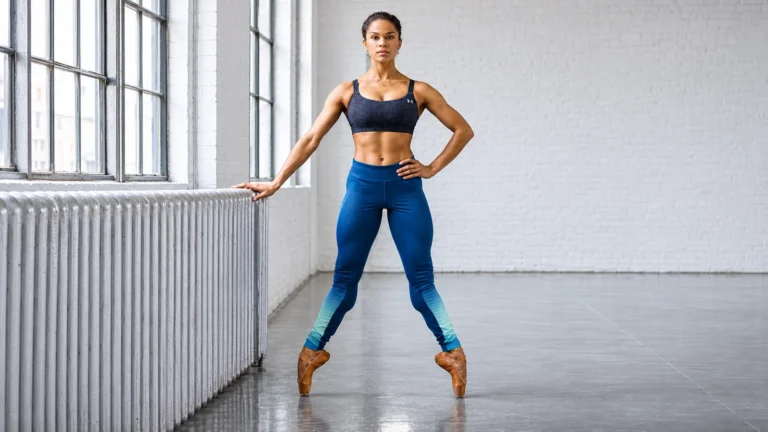
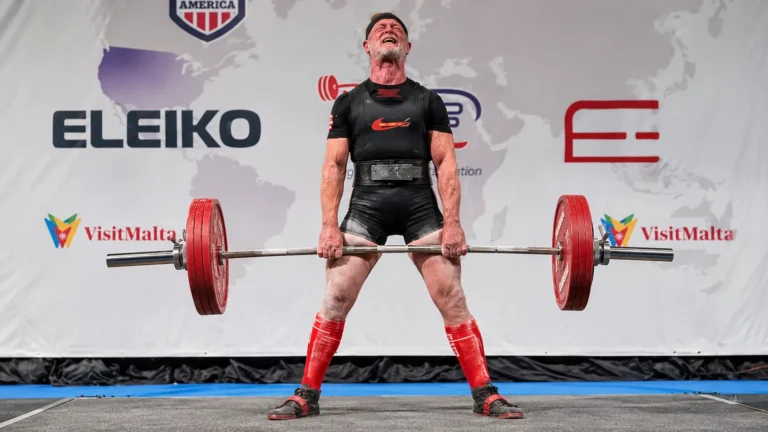
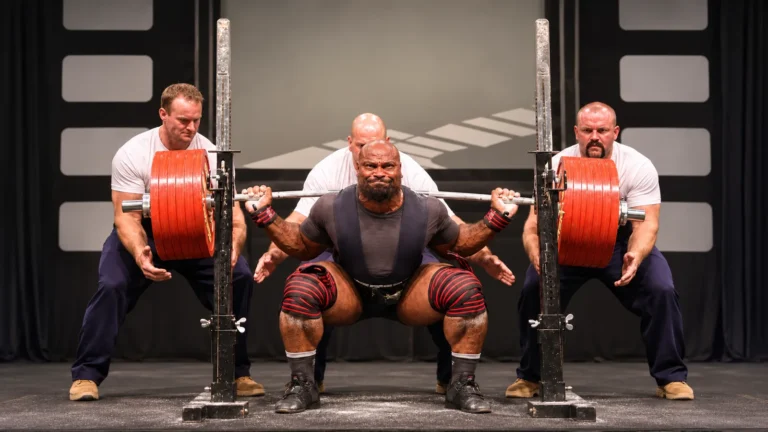
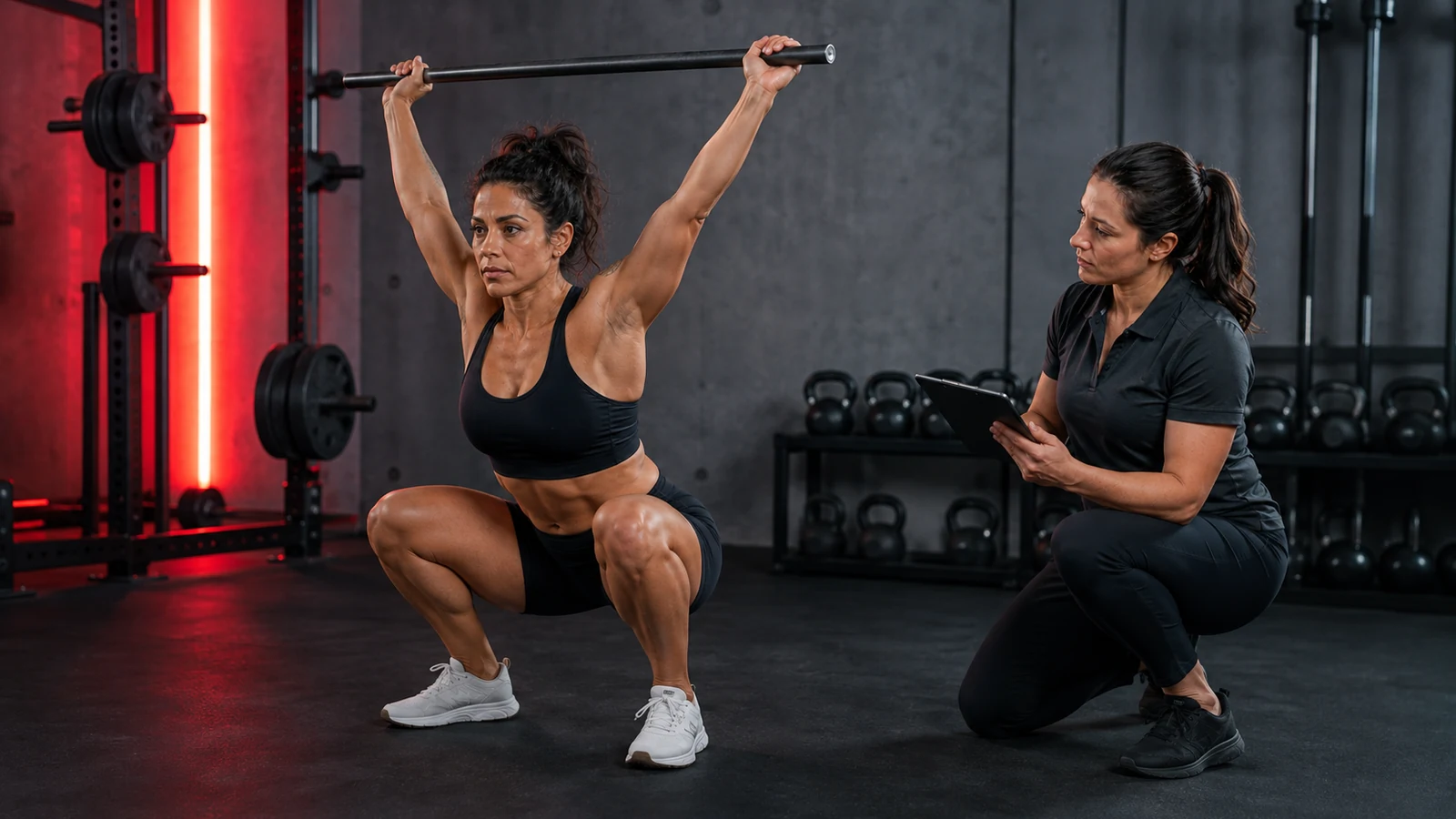
Image context: The illustrations do not document study participants or verify anyone’s professional role. They are not instructions for copying a screening or rehabilitation movement.
Start by asking whether the difference is new, persistent, painful, or getting worse. The useful next step is to record the same task under comparable conditions and seek an assessment when symptoms or function call for one.
What counts as a symptom, and what is ordinary variation?
People use “muscle imbalance” for several different things: one limb producing more force, one joint moving through less range, a visible size difference, or pain that changes how someone lifts. These are observations, not interchangeable diagnoses.
A preferred arm or leg may perform differently because of ordinary practice and sport demands. Maloney’s critical review of athletic asymmetry found no clear, universal performance penalty from sport-related side differences.
| What you notice | What it can tell you | What it cannot tell you alone |
|---|---|---|
| One side consistently completes fewer controlled reps at the same load | There may be a task-specific strength or endurance difference worth tracking | Which muscle or joint caused it, or whether an injury will follow |
| A squat shifts to one side as load rises | Technique changes under that particular load | That a particular glute is “off” or the shift is dangerous |
| One shoulder, hip, or ankle feels tighter | The feeling deserves a comparison of actual comfortable movement and symptoms | That a muscle has shortened or needs massage |
| Pain, numbness, or a new loss of function accompanies the change | A health professional should consider injury or another cause | That a corrective exercise chosen from a video is the right treatment |
This is an editorial observation guide, not a diagnostic test. A clinician can combine symptoms, history, examination, and the demands of your sport before naming a cause.
A two-week observation log for a familiar lift
Choose one movement you already perform comfortably, such as a light split squat or single-arm row. Use a familiar effort, the same setup and range, and similar rest on each side, without testing through pain.
- Record the date, movement, load, repetitions, side, and whether discomfort was present before starting.
- Note the first rep on which technique noticeably changes, if any, and whether a simple setup or pace cue changes it.
- If you film, keep camera angle and load consistent across sessions; a short clip can show what happened, not why.
- Repeat on a few ordinary training days, allowing for fatigue and day-to-day variation. Do not chase a perfect 50/50 result.
- Bring the record to a coach or physical therapist if a new gap persists, grows, limits function, or comes with pain.
The log is a way to make a conversation more specific. It has not been tested as an injury-prediction score or a treatment program.
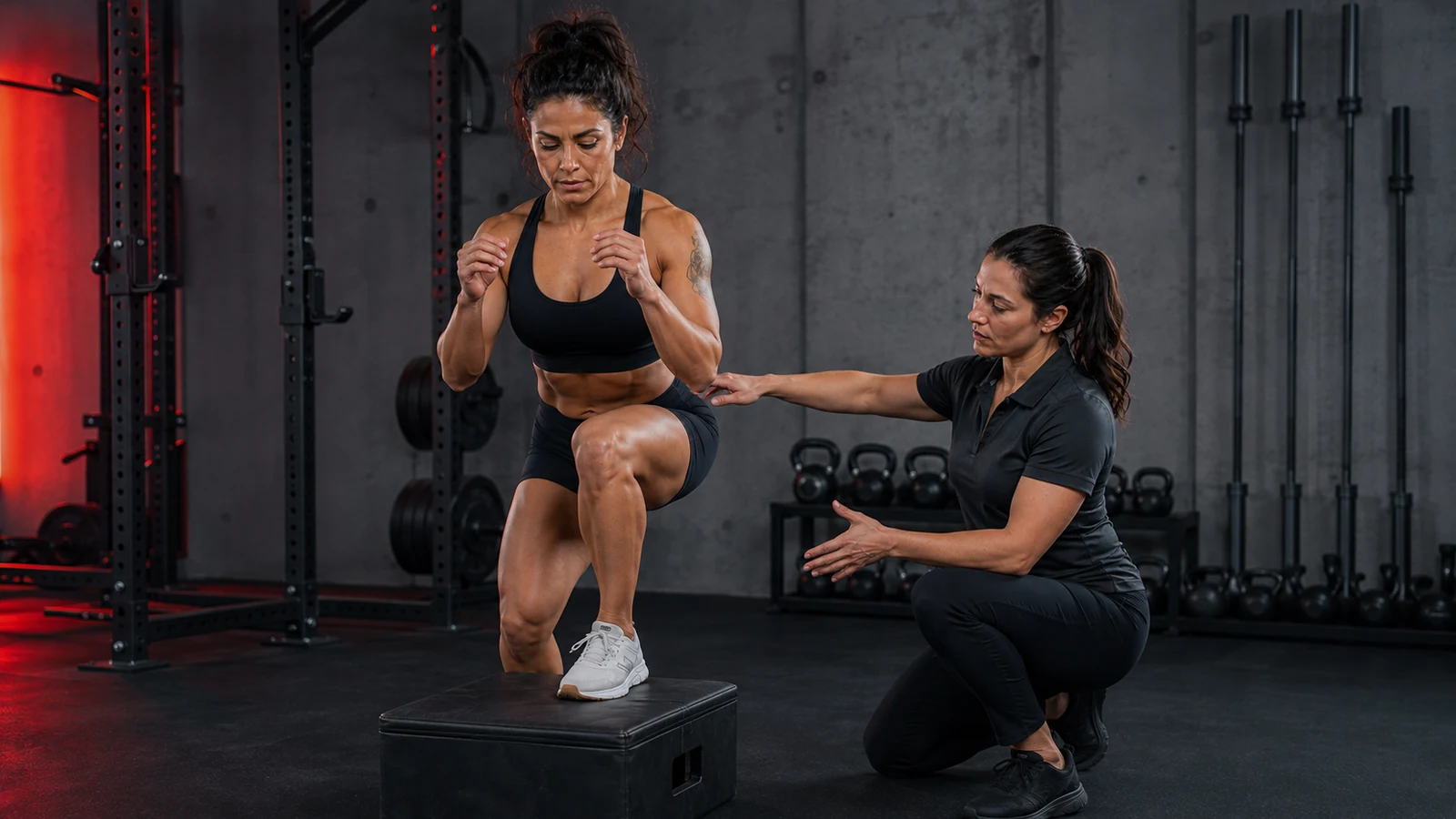
What asymmetry studies actually measure
A review by Bishop and colleagues examined 18 articles on side differences and sport performance. Some strength differences were associated with jumping, kicking, or cycling outcomes, while other relationships were mixed; the included evidence was associative and did not establish that fixing a difference improves performance.
That review studied performance, not future injury.
A separate 31-study review by Helme and colleagues found mixed lower-limb asymmetry and injury results, with overall moderate-to-lower quality evidence.
Neither review supplies a universal percentage difference that makes a recreational lifter unsafe. The task, athlete, previous injuries, symptoms, and how the difference was measured all matter.
Can a movement screen or video predict injury?
A screen describes task performance; predicting injury is a different claim. Reviews of low Functional Movement Screen composite scores reached different conclusions.
Bonazza and colleagues pooled nine injury-prediction studies and found higher injury odds in the low-score group, while raising concerns about the screen’s validity.
Moran and colleagues judged the overall evidence insufficient to use the composite score as a stand-alone injury-prediction test, with sport-specific differences.
A hip-shift or uneven-bar-path video captures one angle, load and moment. It does not identify the responsible tissue or forecast a chronic problem.
A floor press and bench press differ in setup and range. Comparing them may inform coaching questions, but cannot isolate an arm difference’s cause.
Where hands-on treatment fits
The original sports performance treatment video is retained as additional context. It does not establish that a manual session corrects an asymmetry or prevents injury.
In a review of sports massage, Weerapong and colleagues found that effects on performance, recovery from injury, and injury prevention were unclear.
The review describes positive psychological recovery effects and reduced soreness after exercise, without improvement in muscle functional loss. Feeling better therefore does not establish correction of an asymmetry.
Assessment can identify a strength or control limitation to train through unilateral rows, presses or leg work. No review here establishes that every side difference needs correction.
When to seek an assessment
Arrange a physical therapy or sports medicine assessment for recurring pain, a new or worsening loss of strength or range, or a movement change that limits ordinary tasks. Symptoms after a significant injury need prompt medical evaluation rather than a training fix.
Call 911 immediately for sudden numbness or weakness, especially on one side, or sudden trouble speaking, seeing, walking or keeping balance. These can be stroke signs; do not drive yourself or wait to see whether they resolve.
If you are returning after surgery or a diagnosed injury, use the plan from your treating clinician. A qualified strength coach can help adjust training technique, while a clinician evaluates symptoms and medical causes.
For an otherwise comfortable lift, start with a modest setup, range, or load adjustment and compare the same task later. Treat that as a training experiment, not proof that you corrected an underlying disorder.
Watch the original video
Sources
- Maloney, 2019: critical review of asymmetry and athletic performance.
- Bishop, Turner, and Read, 2018: 18-article systematic review of asymmetry and performance.
- Helme and colleagues, 2021: 31-study review of lower-limb asymmetry and injury risk.
- Bonazza and colleagues, 2017, and Moran and colleagues, 2017: differing assessments of Functional Movement Screen injury prediction.
- Weerapong, Hume, and Kolt, 2005: review of massage mechanisms and sport outcomes.
- CDC, signs and symptoms of stroke and emergency action.
This article gives general fitness information, not a diagnosis or treatment plan. Seek individualized medical advice for pain, injury, neurologic symptoms, or a medical condition.