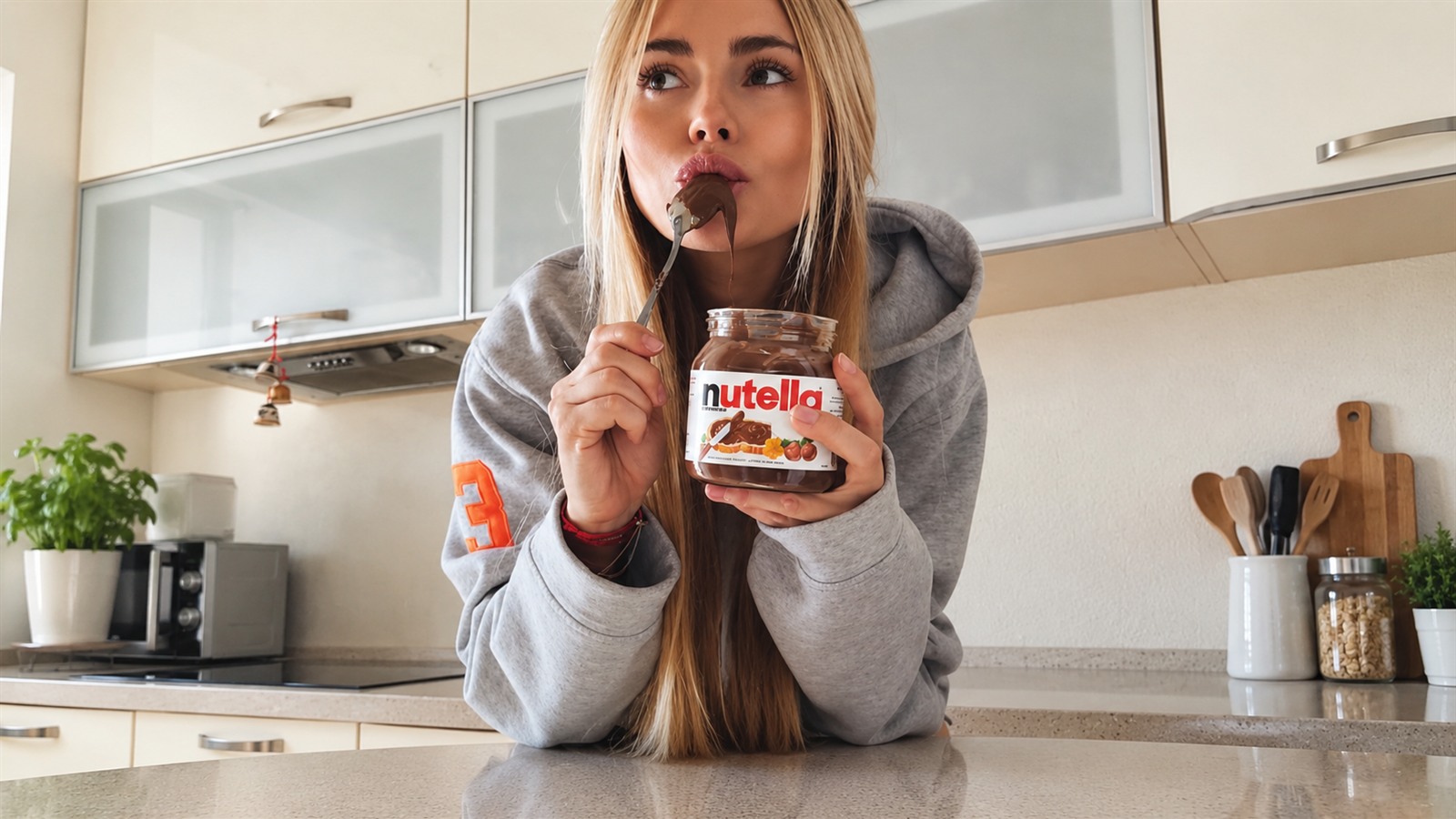

Hunger hormones influence when eating sounds appealing, but they do not operate like three switches that a person can reset with a perfect meal plan.
Ghrelin, leptin, and GLP-1 act within a larger system that also responds to habit, sleep, stress, food cues, energy needs, and meal composition.
That matters when the refrigerator door opens without a clear plan.
A pause can help identify what is driving the urge, but the answer may include both biology and circumstance rather than either true hunger or bad willpower.
The short answer
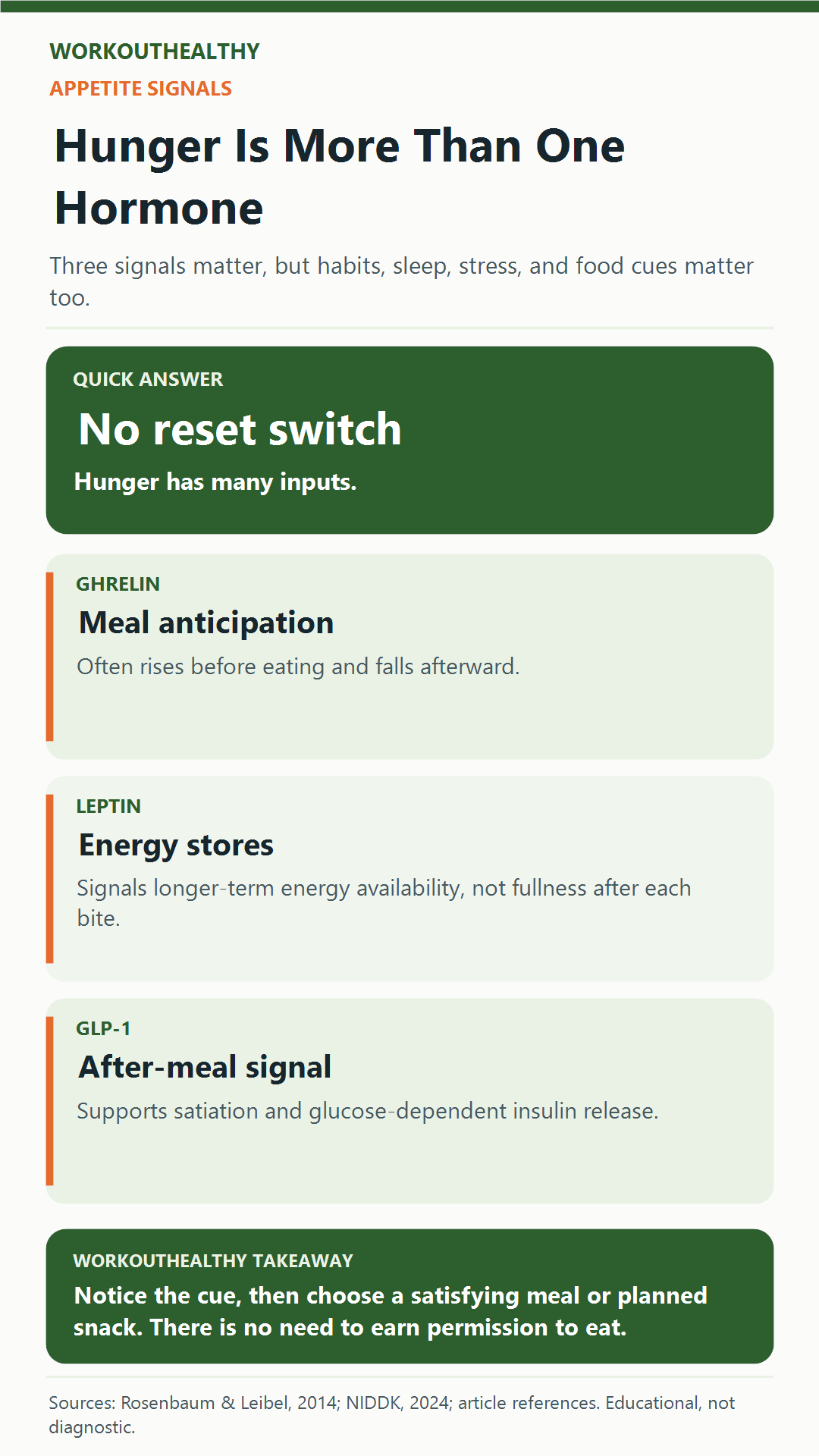
Ghrelin helps coordinate meal anticipation and often rises during fasting.
Leptin mainly informs the brain about longer term energy stores, while GLP-1 is released from the gut after nutrients arrive and contributes to satiation, insulin release, and slower stomach emptying.
No good evidence shows that ordinary snacking permanently scrambles these hormones. Research also does not support one universal eating frequency for appetite or weight control.
A more defensible plan is to make eating occasions intentional, include foods that support fullness, and observe patterns without treating hunger as a moral failure.
That approach improves the decision environment even when hormones cannot be measured at home.
What the three hormones actually do
Ghrelin is produced mainly in the stomach and is often called the hunger hormone.
Levels generally rise before eating and fall after a meal, but ghrelin also follows daily rhythms and can anticipate a person’s usual meal schedule.
This anticipatory pattern explains why hunger can appear at noon because lunch normally happens then. It does not prove the body is dangerously low on fuel, and it does not make the sensation imaginary.
Leptin is produced largely by fat tissue and reflects longer term energy availability. Its important role is signaling energy stores and defending against energy shortage, not announcing fullness after every bite.
People with common obesity often have high circulating leptin yet a reduced response to its appetite effects.
That complex state is called leptin resistance, and it cannot be diagnosed from cravings or fixed by a particular snack.
GLP-1 is released from intestinal cells after food reaches the gut.
It supports glucose dependent insulin secretion, slows gastric emptying in some contexts, and contributes to satiation through gut and brain pathways.
The body’s own GLP-1 response to a meal is not equivalent to the sustained pharmacologic effect of a GLP-1 receptor agonist.
A high protein meal can influence GLP-1, but it does not reproduce a prescription medicine.
Does constant grazing confuse hunger hormones?
The phrase sounds plausible, but the evidence is not strong enough to say that frequent eating confuses a healthy person’s hormones.
A 2025 Dietary Guidelines evidence review could not draw a conclusion about snacking frequency and energy intake in adults because the available trials were limited and not broadly generalizable.
Randomized meal frequency research is also inconsistent.
When calories are held similar, eating more often does not reliably improve appetite, energy intake, body weight, or body composition.
What someone snacks on and why can matter more than the snack count.
Repeated large portions of energy dense foods can raise daily intake, while a planned snack may help a person bridge a long gap between meals or support training.
An NIH inpatient trial illustrates why food form matters.
Participants offered an ultra processed diet ate about 500 more calories per day and gained weight compared with an unprocessed diet, even though the presented diets were matched for several nutrients.
That trial does not prove that every packaged food overrides hormones.
It shows that texture, eating rate, energy density, palatability, and the food environment can influence intake without requiring a broken appetite system.
Use a pause, not a purity test
A brief pause before eating is useful because it creates room to notice the pattern. It should not become a test that someone must pass before being allowed to eat.
Ask when the last meal occurred, whether energy is dropping, and whether many different foods sound acceptable. Then notice boredom, tension, fatigue, a visible snack bowl, or a repeated time and place cue.
Several drivers can be present together.
Physical hunger can coexist with stress, and a specific craving can appear after a meal that was too small or low in satisfying food.
Our guide to cravings and real hunger explains why fasting is not a diagnostic test.
The practical goal is to understand context and make a useful choice, not to label one signal legitimate and another fake.
What slower eating can change
Slowing a meal can reduce intake in a controlled experiment, but the popular 15 to 20 minute rule is not an exact timer for fullness.
Digestion and satiation begin while a meal is underway, yet people and meals vary too much for one minute mark to serve as a guarantee.
A systematic review of 22 experiments found that slower eating was associated with lower energy intake than faster eating.
It did not find a reliable difference in hunger at the end of the meal or during the next several hours.
A newer meta-analysis found that mindfulness and mindful eating reduced intake modestly in controlled settings but did not significantly change reported hunger or fullness.
Effects were larger in laboratory studies, so real world benefits remain less certain.
Use slower eating as an attention tool.
Put the food on a plate, sit down when possible, and reduce the most absorbing screen or work task rather than counting every chew.
Protein helps, but 30 grams is not magic
Higher protein meals often increase short term fullness and reduce hunger compared with lower protein meals. A meta-analysis of randomized trials also found acute changes in ghrelin, cholecystokinin, and GLP-1 after protein intake.
Those results do not establish exactly 30 grams at every meal or 15 grams at every snack.
Protein needs depend on body size, age, training, total intake, health, and how much protein is already distributed through the day.
For exercising adults, daily intake usually matters more than forcing one number into every eating occasion.
Our review of how much protein people actually need gives ranges and explains when more stops adding a clear advantage.
A meal can include eggs, fish, poultry, dairy, tofu, tempeh, beans, lentils, or another preferred source. A snack might pair yogurt with fruit, hummus with vegetables, or nuts with a piece of fruit.
The useful question is whether protein improves the meal’s staying power and helps meet the daily target. It is not whether a single serving activates one hormone strongly enough to erase every later craving.
Fiber and fat need context
Fiber supports bowel health and can slow how quickly some foods are digested, but not every fiber has the same effect on appetite.
One systematic review found that only 39 percent of tested fiber treatments reduced subjective appetite and 22 percent reduced food or energy intake.
More viscous fibers, including some beta glucans and pectins, show more consistent satiety effects than many other types. Oats, beans, lentils, fruit, vegetables, seeds, and whole grains also contribute nutrients that an isolated fiber claim leaves out.
Dietary fat can slow gastric emptying and make food enjoyable, yet it supplies more energy per gram than protein or carbohydrate.
Avocado, nuts, seeds, olive oil, and fish can fit a balanced pattern without receiving a special exemption from portion size.
A mixed meal with protein, high fiber carbohydrate, produce, and some unsaturated fat often feels more substantial than a refined snack alone.
That is a practical pattern, not a promise that cravings will disappear for hours.
A practical meal and snack structure
Regular meals can make appetite more predictable for some people because learned timing contributes to ghrelin rhythms. Consistency is an experiment, not a universal command to eat at identical times every day.
Start with three eating questions.
Does the meal contain a meaningful protein source, does it include a fiber rich food, and is the portion likely to support the next several hours of work or training?
If a planned snack is useful, build it with two components rather than grazing from an open bag. Combine protein or a minimally processed fat source with fruit, vegetables, or a whole grain.
Examples include cottage cheese and berries, roasted chickpeas and an orange, peanut butter and an apple, or tuna with whole grain crackers.
The best option still depends on allergies, preferences, access, and total nutrition needs.
Keep highly tempting foods out of immediate view if visibility triggers automatic eating. That changes a cue without claiming that the food itself has hijacked or permanently damaged appetite hormones.
Be precise about blood sugar
Protein, fiber, fat, meal size, food processing, and activity can all alter the glucose response to a meal. Saying a food keeps blood sugar stable is still too broad because people, portions, medications, and glucose tolerance differ.
A short walk after eating can reduce the post meal glucose rise for many people.
Our evidence review of a ten minute walk after meals explains the trials and why walking does not replace diabetes treatment.
Someone using insulin or a medicine that can cause low blood sugar should not solve recurrent hunger by guessing. Glucose readings, symptoms, medication timing, and food intake need individualized review with the treating clinician.
A seven day appetite experiment
For one week, record the time and setting of unplanned snacks without grading yourself.
Note the previous meal, sleep, stress, hunger strength, the food chosen, and how satisfied you felt 30 to 60 minutes later.
Pick one change based on the clearest pattern.
Add protein to a light breakfast, prepare an afternoon snack, move food out of sight, close the laptop during lunch, or set a more consistent dinner time.
Change only one or two variables so the result is interpretable. Look for fewer automatic eating episodes, steadier energy, less urgency, or better training rather than expecting a hormone reset.
If the plan produces persistent hunger, low energy, irritability, or rebound eating, the meals may be too small or the structure too restrictive.
Adjusting the plan is a better response than trying to overpower the signal.
When hunger needs professional help
Marked thirst, frequent urination, unexplained weight change, faintness, persistent vomiting, or repeated symptoms of low blood sugar deserve medical attention.
Appetite changes can also relate to medication, pregnancy, thyroid disease, diabetes, sleep disorders, or other health conditions.
Episodes of loss of control, secretive eating, purging, or severe restriction are not a hormone puzzle to fix with meal timing.
A physician and an eating disorder informed registered dietitian or therapist can provide appropriate assessment.
The bottom line
Ghrelin, leptin, and GLP-1 are real parts of appetite regulation, but none can explain every trip to the kitchen. Snacking frequency alone does not prove hormonal confusion, and no simple routine resets natural hunger cues on demand.
Use a pause to collect information, not permission.
Then build meals and snacks around adequate energy, protein, fiber rich foods, and a pattern that fits health, training, medication, and daily life.
Get the next evidence check.
Five practical fitness stories worth your time, every Friday.
One email a week. No product pitches. Unsubscribe in one click.
References
- Khaira F, Sulastri D. Meal Timing and Ghrelin: A Chrononutritional Perspective on Weight Regulation Potential. Chronobiology International. 2026.
- Rosenbaum M, Leibel RL. 20 Years of Leptin: Role of Leptin in Energy Homeostasis in Humans. Journal of Endocrinology. 2014.
- National Institute of Diabetes and Digestive and Kidney Diseases. Gut Feelings Workshop Executive Summary. 2024.
- Dietary Guidelines Advisory Committee. Frequency of Meals and/or Snacking and Energy Intake: A Systematic Review. USDA Nutrition Evidence Systematic Review. 2024.
- Schwingshackl L, et al. Impact of Meal Frequency on Anthropometric Outcomes. Advances in Nutrition. 2020.
- Hall KD, et al. Ultra-Processed Diets Cause Excess Calorie Intake and Weight Gain. Cell Metabolism. 2019.
- Robinson E, et al. A Systematic Review and Meta-Analysis Examining the Effect of Eating Rate on Energy Intake and Hunger. American Journal of Clinical Nutrition. 2014.
- Whitelock V, et al. Effects of Mindfulness and Mindful Eating on Food Intake and Appetite. Appetite. 2026.
- Kohanmoo A, et al. Effect of Short- and Long-Term Protein Consumption on Appetite and Appetite-Regulating Gastrointestinal Hormones. Physiology and Behavior. 2020.
- Clark MJ, Slavin JL. The Effect of Fiber on Satiety and Food Intake. Journal of the American College of Nutrition. 2013.
- Wanders AJ, et al. Effects of Dietary Fibre on Subjective Appetite, Energy Intake and Body Weight. Obesity Reviews. 2011.
- Fayet-Moore F, et al. The Effect of Discretionary Snack Consumption on Overall Energy Intake, Weight Status, and Diet Quality. Nutrition Reviews. 2024.
Medical disclaimer: This article is for general information only and is not medical advice. If you have an injury, ongoing pain, or a medical condition, talk to a doctor or physical therapist before you change how you train or eat.