
A Common After Meal Question
You just finished eating, and your stomach feels full and heavy. A short walk sounds tempting, but is it actually worth it?
A wave of viral fitness videos now claims that a quick workout done right after eating can stop your blood sugar from spiking.
One popular example comes from the trainer Lucy Wyndham-Read, whose short home workout videos have been watched by millions of people around the world.
Her video “10-Minute Exercises to Lower Blood Sugar After a Meal” suggests that a brief, low impact routine done soon after eating can help keep blood sugar steadier than sitting still would.
It is a simple, appealing idea. Ten minutes of easy movement, done at home, with no equipment needed.
But does real research actually back this up, or is it just a nice sounding claim that spreads because it feels true?
What the Video Claims a Short Post Meal Workout Does
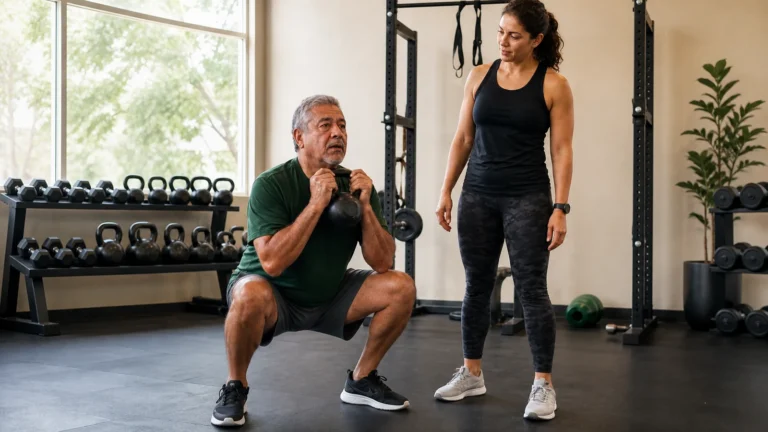
Wyndham-Read’s video presents a short, beginner friendly routine of standing exercises, including marching in place, gentle squats, and simple arm movements, meant to be done within the first hour after a meal.
The core claim is straightforward.
Moving your body soon after eating, even gently, helps your muscles use up some of the sugar that just entered your bloodstream from food.
The video frames this as an easy habit anyone can add to their day, especially people who feel sluggish or foggy after meals.
It does not claim to cure or treat diabetes, and it does not replace medication for anyone who has been diagnosed with a blood sugar condition.
The video’s framing is general and encouraging, aimed at everyday viewers rather than people managing a diagnosed medical condition.
That distinction matters a lot once you look at what the actual science says.
What the Research Actually Supports
The video’s basic idea, that moving after a meal helps blood sugar, turns out to have real scientific support behind it.
The mechanism is not mysterious. It starts with basic digestion.
When you eat carbohydrates, your body breaks them down into glucose, which is the sugar your bloodstream carries to cells for energy.
Normally, the hormone insulin helps move that glucose out of your blood and into your muscles and other tissues.
Exercise adds a second pathway.
Working muscles can pull in glucose directly, without needing as much insulin to do the job.
This is sometimes called an insulin independent pathway.
It is one reason exercise helps blood sugar even in people whose insulin does not work as well as it should.
Muscles that are actively contracting can take up blood sugar on their own, which is part of why even light movement after a meal can blunt how high glucose rises.
A 2025 study published in Scientific Reports tested this directly.
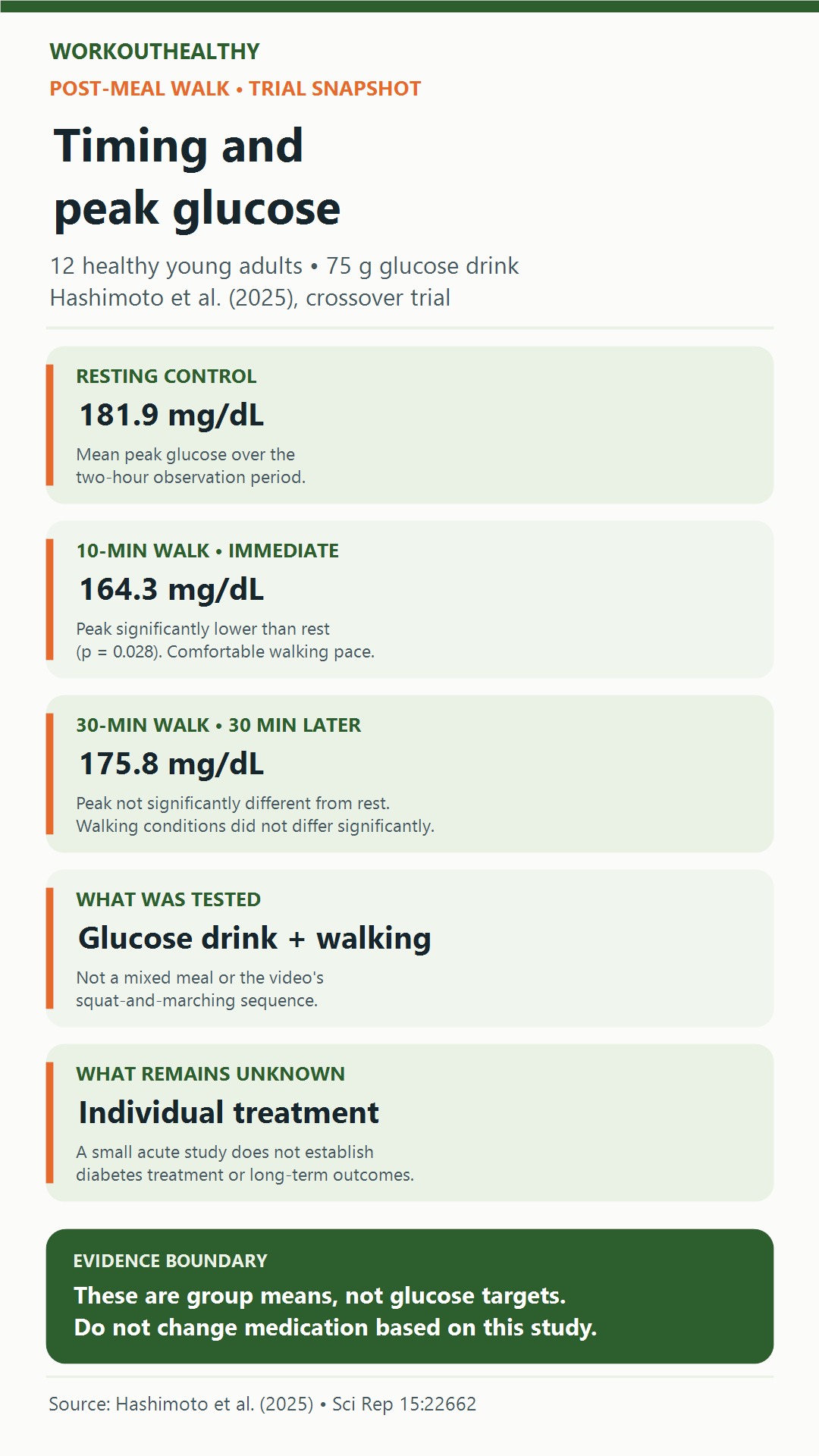
Twelve healthy adults drank a 75 gram glucose solution on three separate days.
On one day they rested afterward.
On another day, they walked at a comfortable pace for ten minutes right after drinking the glucose.
On a third day, they rested for thirty minutes first, then walked for thirty minutes.
The immediate ten minute walk produced a lower peak blood sugar reading than resting did, at about 164 milligrams per deciliter compared to about 182.
The short immediate walk worked about as well over the full two hour period as the much longer delayed walk.
It also felt noticeably easier to the participants than the longer walk did (Hashimoto et al., 2025).
Timing matters here in a specific way.
Glucose from a meal tends to peak in the blood somewhere between thirty and ninety minutes after eating.
Moving during that early window, rather than waiting until digestion is mostly finished, appears to matter more than moving for a long time.
A separate 2022 study in the journal Nutrients looked at how the type of meal changes this effect.
Researchers had healthy young adults walk for thirty minutes starting fifteen minutes after eating.
Walking lowered the blood sugar peak whether people had eaten a mixed meal or a plain glucose drink.
The benefit was strongest after lower carbohydrate meals.
It was somewhat smaller during the later hours after very high carbohydrate meals (Bellini et al., 2022).
The exercise in Wyndham-Read’s video is not walking, though.
It leans more toward gentle bodyweight moves like squats and marching, which brings up a related but slightly different body of research.
Squats and other simple resistance style movements use large muscle groups, particularly in the legs, which are some of the biggest storage sites for glucose in the body.
A 2021 study in the Journal of Applied Physiology found that healthy adults who interrupted long sitting periods with brief chair stands, essentially bodyweight squats, had noticeably lower insulin levels after meals compared to sitting the whole time.
Short walk breaks worked in a similar way in that same study (Gillen et al., 2021).
Taken together, this research suggests the video’s core idea is reasonable.
Light movement, whether walking or simple bodyweight exercise, done soon after eating can measurably lower how high blood sugar rises over the next hour or two, at least in healthy adults.
If you already pay attention to how much you move during the day, this pairs naturally with habits covered in our look at whether standing beats sitting, since both come down to how much your muscles are working at any given moment.
What This Evidence Does Not Prove
It is important to be precise about what these studies actually show, because it is easy to stretch findings further than the data supports.
These studies measured blood sugar over a few hours in a lab setting.
Most involved small groups of healthy young adults without diabetes.
They do not prove that a ten minute routine can treat, reverse, or manage diagnosed type 2 diabetes on its own.
Diabetes management involves many factors working together, including medication, overall diet pattern, weight, sleep, and long term blood sugar averages, not just what happens after one meal.
Individual responses also vary quite a bit.
Two people can eat the identical meal and do the identical workout afterward and still see different size effects on their blood sugar.
Age, fitness level, muscle mass, medication use, and even the specific food eaten can all change the result.
The studies used young, generally healthy participants.
It is not fully clear how much the same benefit would carry over to older adults or people who already have insulin resistance.
None of this means the idea is wrong.
It means the claim should be understood as a helpful, evidence backed habit, not a medical treatment or a guaranteed fix.
Common Mistakes People Make With Post Meal Movement
The most common mistake is doing intense exercise right after a large meal, which can cause stomach cramping, nausea, or a feeling of dizziness.
The research above used gentle, comfortable movement, not hard effort.
A relaxed pace is the point, not a challenge.
Another mistake is waiting too long.
Some people plan to exercise “later,” well after the two hour window when blood sugar has already peaked and started coming back down on its own.
A related error is treating a single after meal walk as a substitute for regular exercise throughout the week rather than an addition to it.
Building general strength and cardio fitness over time, the kind covered in our piece on whether box jumps actually build muscle, matters just as much for long term blood sugar health as any single post meal habit.
People also sometimes assume more is always better, and push a ten minute walk into a full workout immediately after eating.
For most people, that is unnecessary and can feel uncomfortable.
Comfortable, light movement appears to be enough to get the benefit the studies measured.
Finally, some people expect a dramatic, instantly visible result, like feeling a rush of energy the moment they finish moving.
The real effect is smaller, showing up as a modestly lower peak blood sugar reading rather than a feeling you can necessarily sense.
Who Should Check With a Doctor First
Anyone with diagnosed diabetes, whether type 1 or type 2, should talk to a doctor before changing exercise timing around meals.
This is especially true for people taking insulin or medications like sulfonylureas, which lower blood sugar directly.
Exercising soon after a dose of these medications can sometimes push blood sugar too low, a condition called hypoglycemia.
Hypoglycemia can cause shakiness, confusion, sweating, or fainting, so the risk is worth taking seriously.
People with diabetes related nerve damage, eye disease, or kidney disease should also get personalized guidance, since exercise recommendations can shift depending on those conditions.
Pregnant women managing gestational diabetes should check with their doctor too, since safe activity levels during pregnancy differ from the general population studied in most of this research.
Older adults starting a new movement habit, especially those with balance concerns or joint pain, should also get a quick medical check first.
Our guide on how many miles you should walk in a day covers safe ways to build up walking volume gradually, which is useful context before adding any new habit around meals.
If you notice shakiness, sudden sweating, confusion, or a racing heartbeat after exercising near a meal, stop and check your blood sugar if you are able to.
Contact a doctor if those symptoms continue or happen again.
A Simple Post Meal Movement Routine You Can Try
If you do not have a diagnosed condition that requires medical clearance, a simple routine based on the research above might look like this.
Start within thirty to sixty minutes after finishing a meal, rather than waiting for digestion to fully settle.
Spend two minutes marching in place at an easy, comfortable pace, keeping your breathing relaxed the whole time.
Follow that with two minutes of slow, controlled bodyweight squats, sitting back like you are lowering into a chair and standing back up.
Add two minutes of gentle standing side steps or light knee lifts, again keeping the effort easy rather than intense.
Finish with two to four minutes of a relaxed walk, indoors or outside, at a pace where you could comfortably hold a conversation.
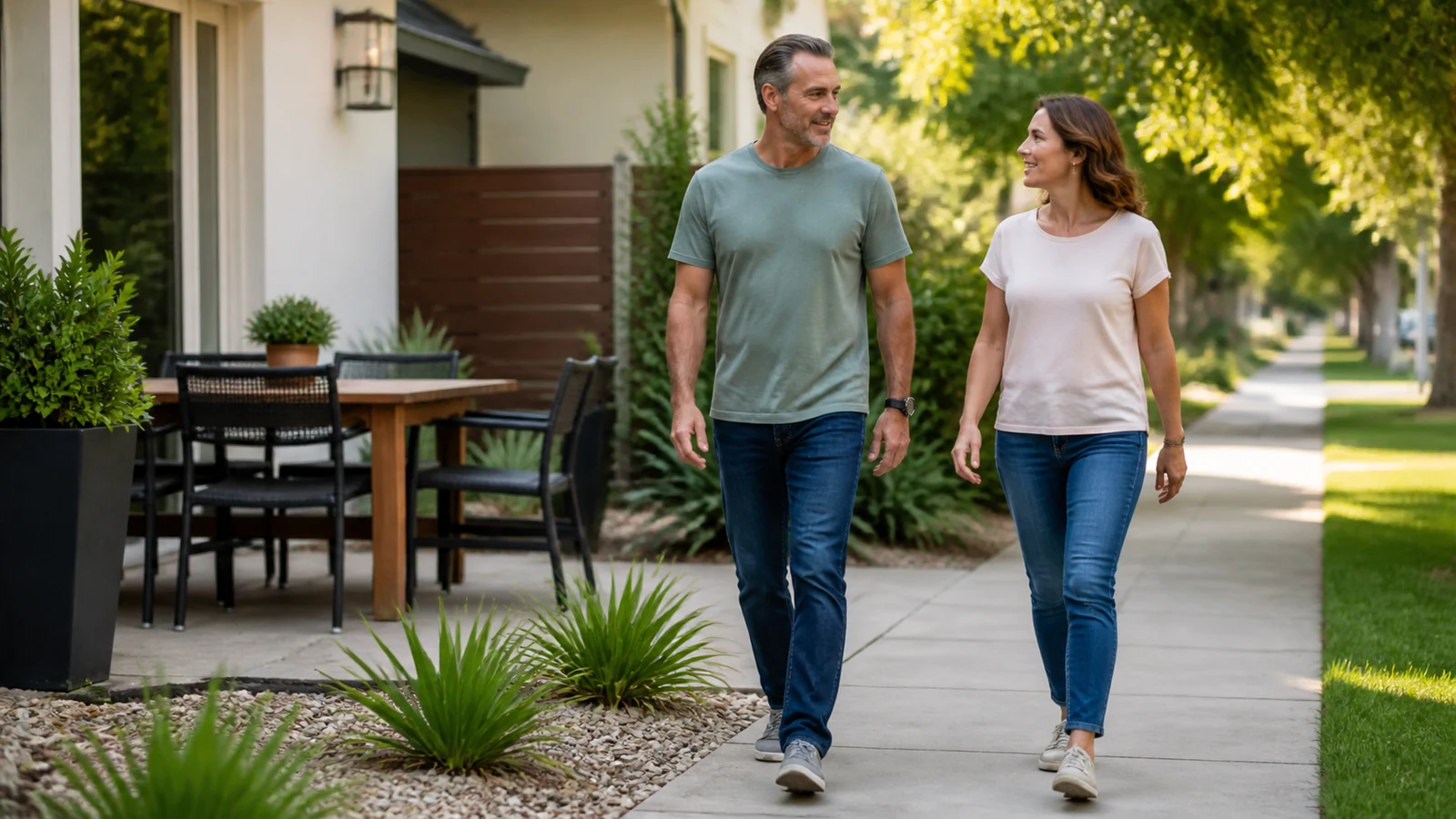
The whole routine takes about ten minutes, matching what the research above actually tested.
None of it should ever feel like a hard workout.
If anything feels uncomfortable, including cramping, dizziness, or unusual fatigue, stop and rest.
Mention it to a doctor if discomfort keeps happening.
Watch the Original Video
Want more like this? Subscribe to WorkoutHealthy Insider for practical explanations behind popular fitness claims.
References
Bellini, A., Nicolo, A., Bazzucchi, I., & Sacchetti, M. (2022). The effects of postprandial walking on the glucose response after meals with different characteristics. Nutrients, 14(5), 1080. https://doi.org/10.3390/nu14051080
Gillen, J. B., Estafanos, S., Williamson, E., Hodson, N., Malowany, J. M., Kumbhare, D., & Moore, D. R. (2021). Interrupting prolonged sitting with repeated chair stands or short walks reduces postprandial insulinemia in healthy adults. Journal of Applied Physiology, 130(1), 104 to 113. https://doi.org/10.1152/japplphysiol.00796.2020
Hashimoto, K., Dora, K., Murakami, Y., Matsumura, T., Yuuki, I. W., Yang, S., & Hashimoto, T. (2025). Positive impact of a 10-min walk immediately after glucose intake on postprandial glucose levels. Scientific Reports, 15, Article 22662. https://doi.org/10.1038/s41598-025-07312-y
This article is for general information only and is not medical advice. If you have an injury, ongoing pain, or a medical condition, talk to a doctor or physical therapist before you change how you train or eat.