
Does cardio burn belly fat? Regular aerobic exercise can help reduce abdominal and visceral fat over time, but one workout cannot promise that fat will leave the belly, hips or legs first.
The 30-minute no-jump circuit below offers a practical way to move; its body-composition effects have not been tested.
The source video from Roberta’s Gym pairs cardio with leg and hip moves and uses a belly-fat promise in its title. The useful distinction is between a session that raises your activity level and a claim that it can select where fat is lost.
What “belly fat” means in exercise studies
Visceral fat lies deeper around abdominal organs, while subcutaneous fat lies under the skin. Researchers use scans and other measurements to study these tissues; a sweaty session or a sore abdomen cannot tell you which depot changed.
A review of 84 randomized trials in adults with overweight or obesity found visceral-fat benefits from aerobic, resistance, combined and interval training on average. This circuit was not tested.
| Question | What the evidence supports | What it does not show |
|---|---|---|
| Can cardio reduce abdominal fat over time? | Structured exercise programs can reduce measured waist and visceral-fat outcomes in studied groups. | A fixed change after one session or an identical response in every person. |
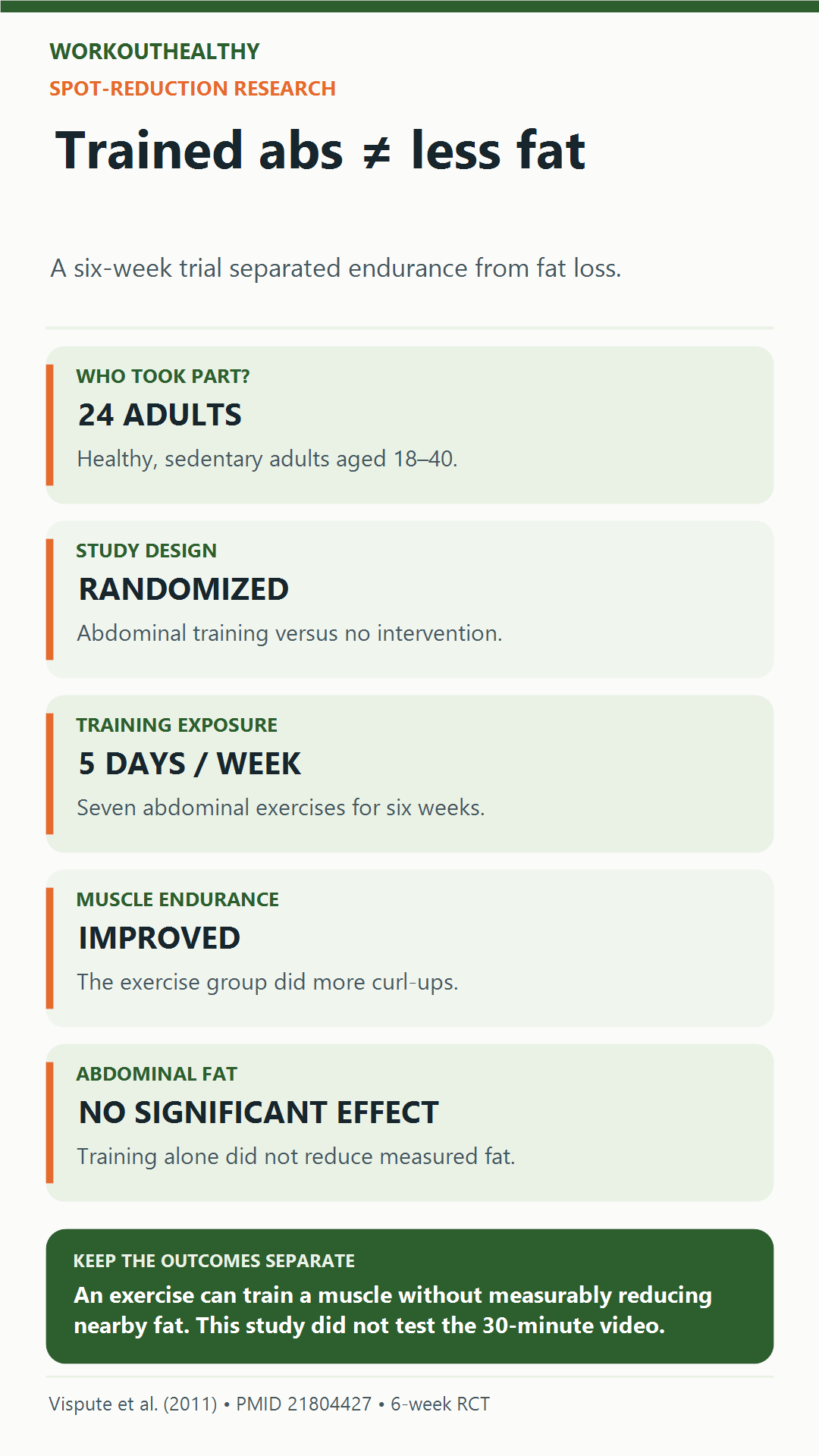
| Do ab exercises alone target belly fat? | In 24 healthy, sedentary adults aged 18 to 40, six weeks of abdominal exercise improved endurance without significant abdominal-fat changes. | No conclusion about every possible local protocol. |
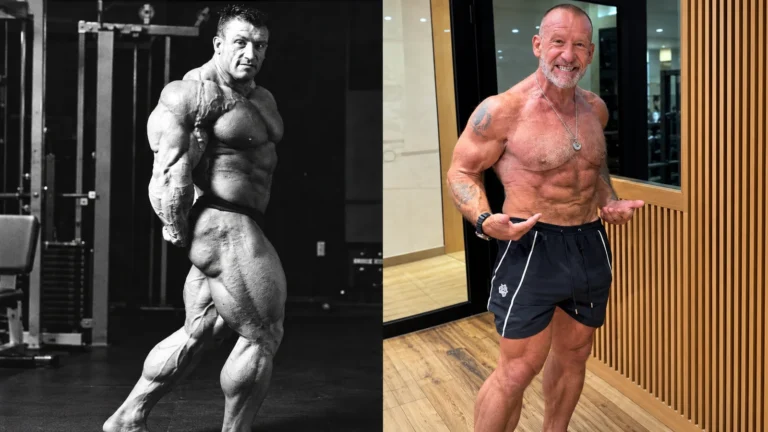
| Is spot reduction completely settled? | A small 16-man specialized trial reported a local trunk-fat signal with abdominal endurance exercise plus treadmill work. | That ordinary crunches or this circuit reliably remove belly fat on demand. |
An original 30-minute, no-jump home circuit
Use six one-minute slots per round: move for about 45 seconds, then take 15 seconds to transition or rest. Complete three rounds, walk easily for one minute between rounds, and add the warm-up and cool-down below.
| Clock | Plan | Why it is here |
|---|---|---|
| 0:00 to 5:00 | Easy march or walk, then gradually add comfortable side steps and arm movement. | Warm up without a sudden hard start. |
| 5:00 to 11:00 | Round 1: six moves below, one minute each. | Establish a repeatable pace. |
| 11:00 to 12:00 | Walk or march easily. | Let breathing settle. |
| 12:00 to 18:00 | Round 2: repeat the six moves. | Keep the effort controlled. |
| 18:00 to 19:00 | Walk or march easily. | Recover before the final round. |
| 19:00 to 25:00 | Round 3: repeat the six moves. | Choose the same or an easier version if needed. |
| 25:00 to 30:00 | Slow walk or march, then easy breathing and comfortable movement. | Cool down gradually. |
| One-minute move | Standing version | Gentler or seated swap |
|---|---|---|
| 1. March | Walk in place with a relaxed arm swing. | Seated alternating foot lifts. |
| 2. Sit-to-stand | Rise from a sturdy chair and sit back with control. | Partial rise with hands on chair arms, or seated knee extensions. |
| 3. Side steps | Step right and left within a clear floor space. | Small supported steps or seated side toe taps. |
| 4. Back taps | Alternate a short step back, then return to center. | Hold a counter for support or tap one foot back from a chair. |
| 5. Calf raises | Lift and lower heels while standing tall. | Hold a stable surface or raise heels while seated. |
| 6. Knee lifts | Alternate modest knee lifts without leaning back. | Smaller supported lifts or a seated march. |
The clock adds up to 5 + 18 + 2 + 5 = 30 minutes. A chair or counter is optional support; if neither is available, repeat the easy march in slot 2 and use the standing choices elsewhere.
Choose an effort you can repeat
Use the CDC talk test: moderate activity generally allows talking but not singing, while vigorous activity allows only a few words before a breath. These are personal effort cues, so a slower supported circuit can still be useful even when it does not feel like a hard cardio class.
If 30 minutes is too much, one round plus the warm-up and cool-down is 16 minutes; two rounds with one easy minute is 23 minutes. Build a repeatable schedule first, then consider the full clock as comfort and recovery allow.
Walking or cycling can be simpler choices if you prefer steady activity to a circuit. Our walking-goal guide explains how to choose time and pace without a universal mileage rule.
What to expect over several weeks
Repeat an amount of activity you can recover from, and track completed sessions or how comfortably you can do the same routine. The CDC’s adult activity guidance gives weekly aerobic and strength-training goals; one home circuit is one way to contribute, not a complete fat-loss prescription.
Body-composition outcomes also depend on factors beyond this workout, including overall activity and food patterns. For individual nutrition choices, consult a registered dietitian instead of using a generic calorie target from a video.
When to change the plan
Keep the no-jump swaps if knees, hips or balance make faster movements uncomfortable. Stop a move that causes sharp pain, dizziness or unusual breathlessness, and ask a qualified professional how to adapt exercise to an existing condition or injury.
Watch the source workout
The Roberta’s Gym video below is a separate routine from our written 30-minute circuit. Its leg, hip and belly-fat wording describes the video’s theme, not a proven targeted-fat outcome.
Want more like this? Subscribe to WorkoutHealthy Insider for practical explanations behind popular fitness claims.
Sources
- Chen and colleagues, 2024.
- Vispute and colleagues, 2011.
- Brobakken and colleagues, 2023: specialized 16-man abdominal endurance trial with a local trunk-fat signal.
- CDC intensity guide and adult activity guidance: effort cues and weekly activity context.
This article provides general fitness information, not a guarantee of fat loss or an individual medical or nutrition plan. Ask a qualified clinician or registered dietitian for advice that fits your health needs.