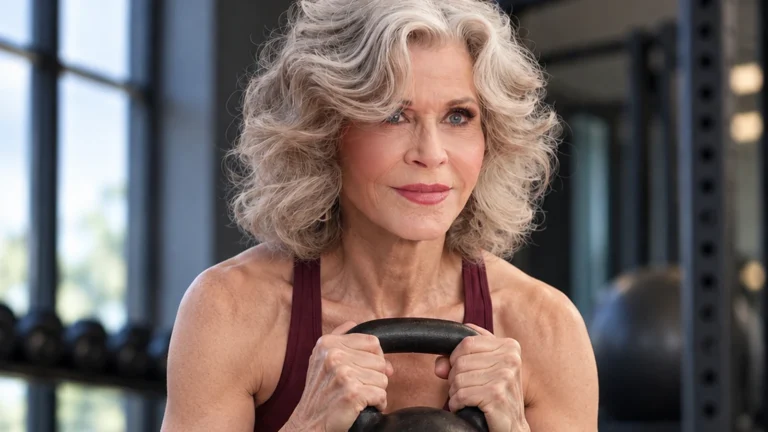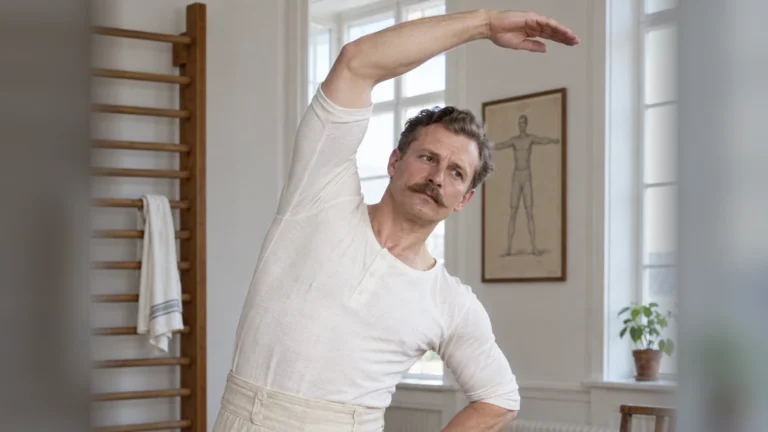

In Utopia, military preparation belongs to an imagined society.
About the featured image: This is an illustration, not a verified portrait of Thomas More or evidence of his own training.
What Utopia Is
Project Gutenberg identifies this edition as Gilbert Burnet’s 1684 English translation of More’s 1516 book.
What the Book Says About Military Training
Burnet describes daily military exercises for men and women, aversion to war, preparation for necessity and the hiring of foreign soldiers.
A Workday Built for Balance
The separate trades chapter assigns six hours to labour, not a tested recovery schedule.
What Research Says About Staying Ready
A 2021 qualitative review by Sammito and colleagues included 176 original papers and three meta-analyses, identifying 57 possible military musculoskeletal-injury risk factors.
Its fitness discussion cites a 27-publication meta-analysis comparing the bottom with the top quartile or quintile of fitness performance: training-injury relative risk 2.34, with a 95% confidence interval of 2.02 to 2.70. This group association is not proof that increasing fitness alone prevents injury.
What This Does Not Prove
The review concerns military populations, not a personal risk assessment. Association does not establish that fitness alone prevents injury.
Keep Modern Training Questions Separate
For modern exercise decisions, seek guidance matched to your goals and health rather than treating a literary custom as a personal program.
The Bottom Line
The book describes a fictional custom; modern injury research does not validate that custom.
Want more stories like this? Subscribe to WorkoutHealthy Insider for practical explanations behind popular fitness claims.
References
- More, T. Utopia. Burnet’s 1684 translation, Project Gutenberg edition.
- Sammito, S., et al. (2021). Risk factors for musculoskeletal injuries in the military: A qualitative systematic review. Military Medical Research.
Fitness disclaimer: This article provides general education about a literary work and fitness research, not individualized exercise or medical advice. If you have an injury, ongoing pain or a medical condition, ask an appropriately qualified health professional about training that fits your situation.